


ELECTRONIC
Electronic Album
Recent Album




Featured Album

Electronic Info
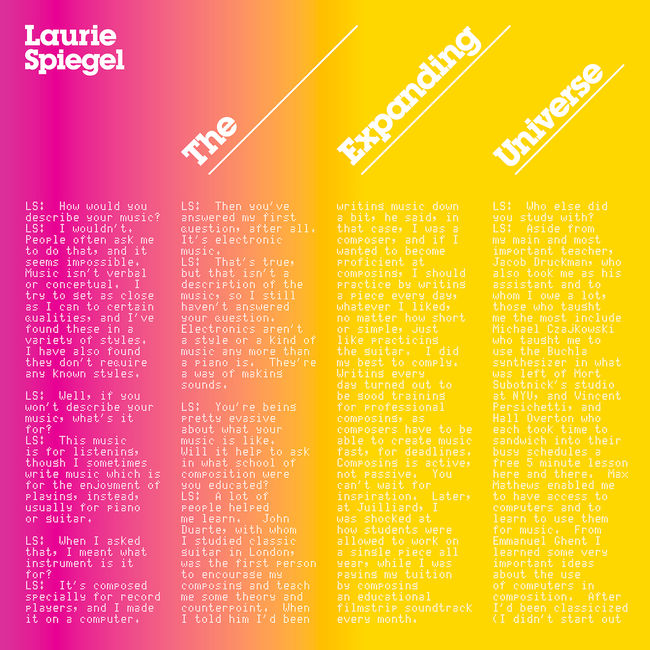
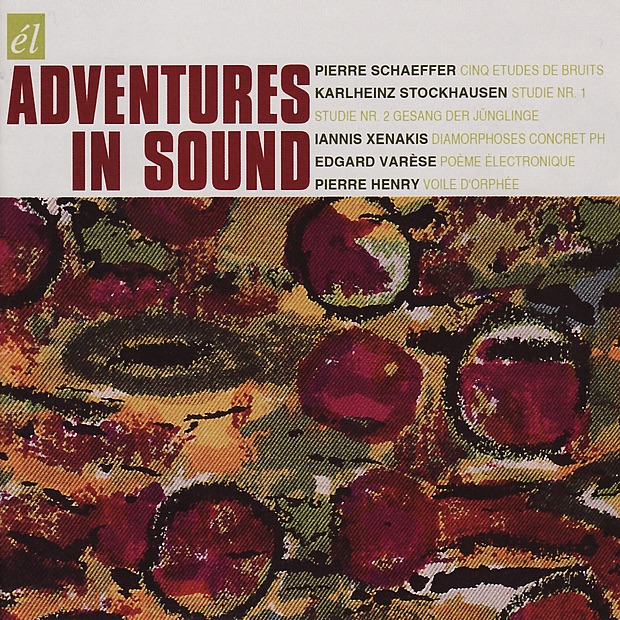
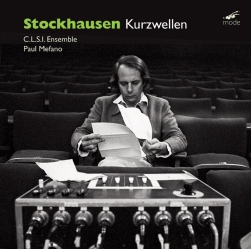
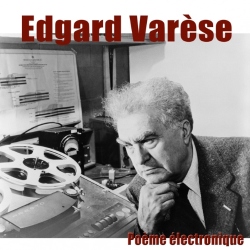
GENRE : Electronic고전 전통에서 일렉트로닉 음악과 컴퓨터 음악은 전자적으로 생성되거나 조작된 소리를 주요 음악 소재로 사용하는 작품을 지칭합니다. 20세기 초 기계 및 전기 음향 제작 실험에서 시작된 이 장르는 녹음 기술, 합성, 디지털 컴퓨팅의 발전을 통해 발전했습니다. 구체음악(musique concrète), 테이프 음악, 라이브 일렉트로닉, 알고리즘 작곡, 인터랙티브 미디어 등 광범위한 분야를 아우릅니다. 어쿠스틱 장르와 달리 일렉트로닉 음악은 작곡가들이 종종 사운드 디자이너, 기술자, 그리고 개념 예술가로서 활동하기 때문에 악기의 본질과 연주 행위 자체를 새롭게 정의합니다. 일렉트로닉 음악의 기원은 소음을 유효한 예술적 소재로 구상했던 루이지 루솔로와 같은 선구자들과 테레민, 옹드 마르트노와 같은 초기 전자 악기의 발명가들에게서 찾아볼 수 있습니다. 제2차 세계 대전 이후, 유럽과 미국 전역에 일렉트로닉 음악 전문 스튜디오가 설립되었습니다. 파리에 위치한 음악 연구 그룹(Groupe de Recherches Musicales)에서 피에르 셰퍼(Pierre Schaeffer)는 자기 테이프에 녹음된 환경음을 조작하여 구체 음악(musique concrète)을 개발했습니다. 쾰른에서는 칼하인츠 슈톡하우젠(Karlheinz Stockhausen)이 전자 합성음과 공간 작곡을 탐구했습니다. 뉴욕에서는 존 케이지(John Cage), 모튼 수보트닉(Morton Subotnick), 폴린 올리베로스(Pauline Oliveros)와 같은 작곡가들이 모듈 합성, 우연적 절차, 인터미디어 연주에 참여했습니다. 20세기 중반 컴퓨터 기술의 등장으로 음악적 매개변수를 더욱 정밀하게 제어할 수 있게 되었고, 이는 알고리즘적이고 생성적인 접근 방식으로 이어졌습니다. 벨 연구소의 맥스 매튜스(Max Mathews)와 다른 연구자들은 초기 컴퓨터 생성 음악을 제작했고, 파리의 IRCAM은 스펙트럼주의(spectralism), 사운드 분석, 그리고 컴퓨터 지원 작곡의 중심지가 되었습니다. 전자 음악은 순수음, 노이즈, 샘플링된 텍스처, 그리고 합성된 음색을 포함하여 확장된 음향 팔레트를 특징으로 합니다. 작곡가들은 종종 스펙트로그램, 신호 처리, 그리고 Max/MSP, Pure Data, SuperCollider와 같은 소프트웨어 환경을 사용하여 소리를 조각하고 제어합니다. 이 장르는 전통적인 연주에서는 달성할 수 없는 수준의 시간적, 음색적 정밀성을 허용하며, 그 작품들은 고정형 미디어(스피커를 통해 재생), 인터랙티브형(라이브 연주자에 반응), 또는 몰입형(다채널 공간화 포함) 형태를 띨 수 있습니다. 전자 음악은 종종 아방가르드 또는 실험적 미학과 연관되지만, 클래식 음악계에서 중요한 입지를 구축했습니다. 콘서트홀, 페스티벌, 갤러리, 온라인 플랫폼에서 공연되고, 음악원과 대학에서 작곡 및 사운드 아트 커리큘럼의 일부로 교육됩니다. 주요 작품으로는 슈톡하우젠의, 바레즈의 , 수보트닉의 , 올리베로스의 등이 있습니다. 현대 음악계에서는 카이야 사리아호, 조나단 하비, 나타샤 바렛과 같은 아티스트들이 활동하고 있습니다.Jlin과 Jlin은 전자적 과정을 클래식 형식에 통합하는 것으로 유명합니다. 전자 음악과 어쿠스틱 음악의 경계는 점점 더 유동적이며, 많은 작곡가들이 전통 악기와 라이브 일렉트로닉, 샘플링, 또는 실시간 프로세싱을 결합한 혼합 작품을 쓰고 있습니다. 디지털 문화가 예술 창작에 지속적으로 영향을 미치면서, 전자 음악과 컴퓨터 음악은 여전히 활기차고 진화하는 영역입니다. 이는 기술, 정체성, 생태, 그리고 음악적 저작의 재정의에 대한 더 광범위한 관심을 반영하며, 클래식 음악계에 새로운 청취, 참여, 그리고 미적 경험 방식을 제시합니다. More....
Electronic Recent Released Music

7
54:45
Electronic Highlight