MUSICAL
Musical Album
Recent Album
-
-

-
-
-
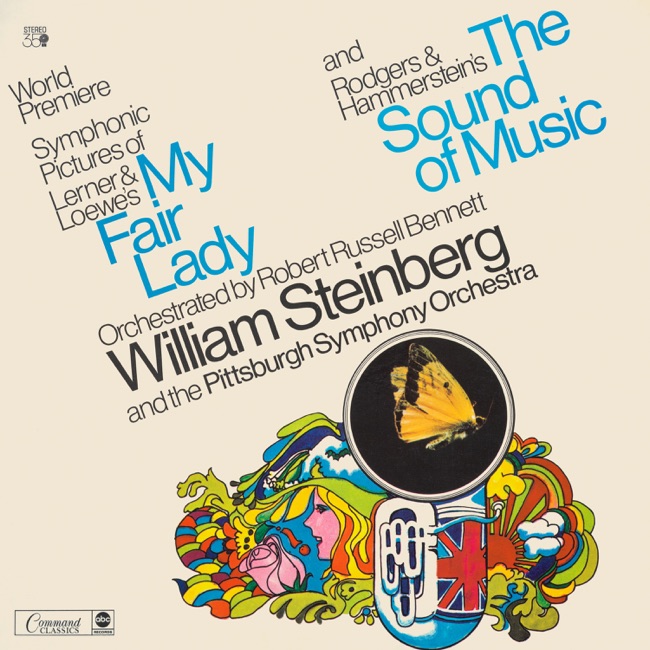
-
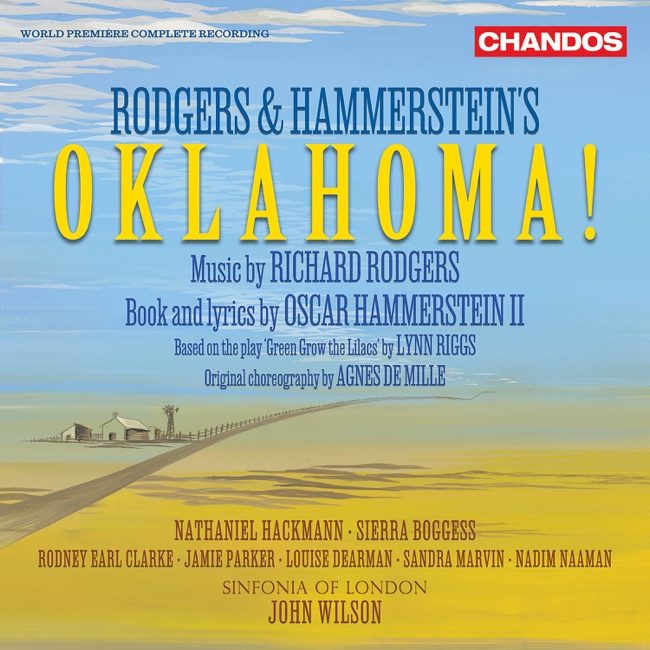
-
-
-
-

-
-
-

-
-
-

-

-
 Nicholas YeeAugust 13, 2019
 -
-
-
-
-
-
Featured Album
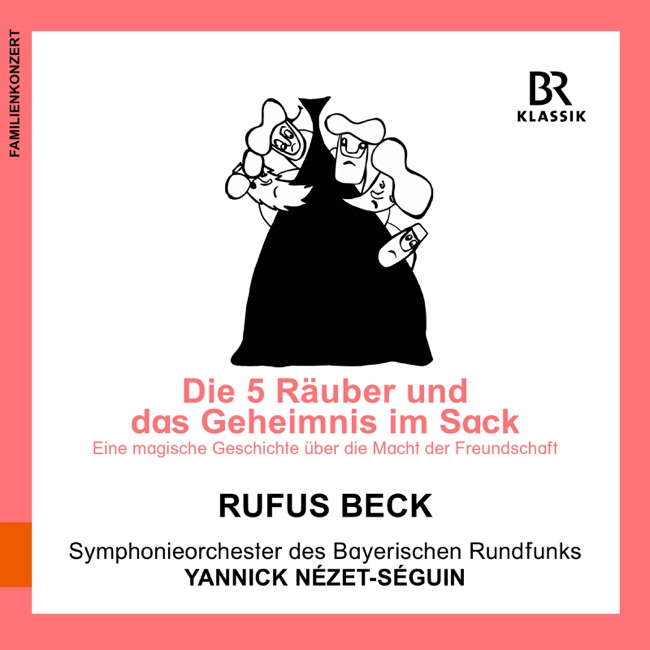
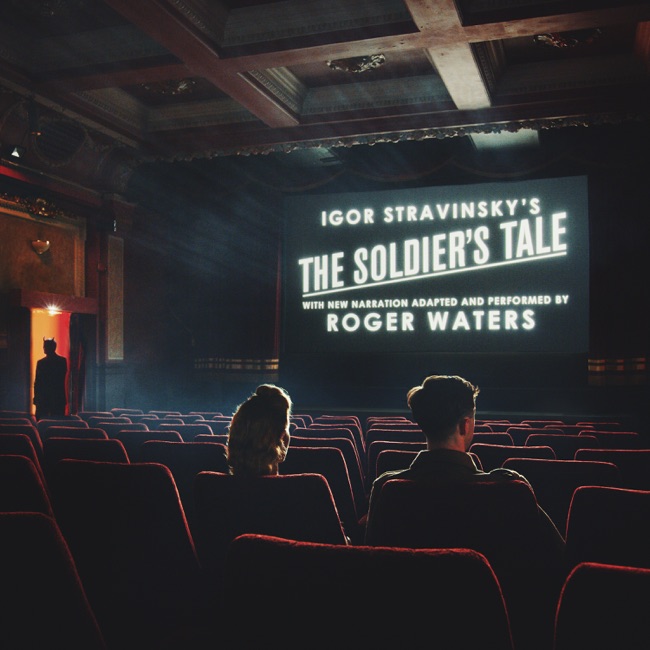
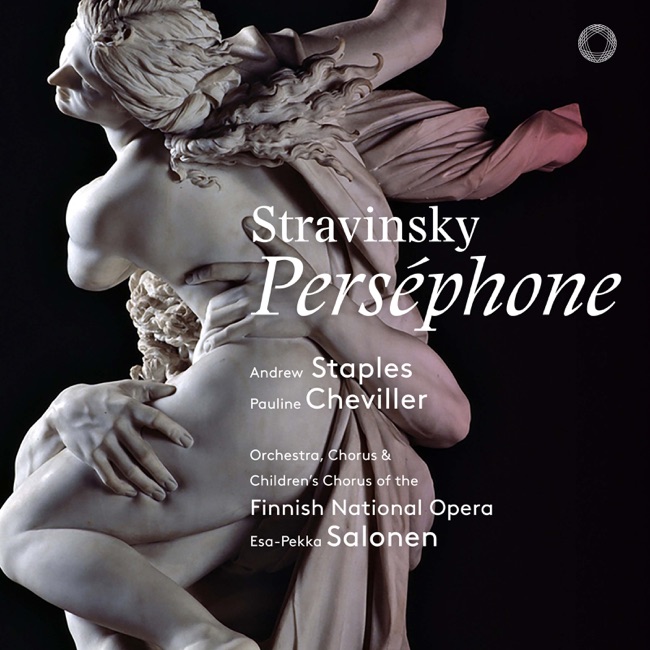
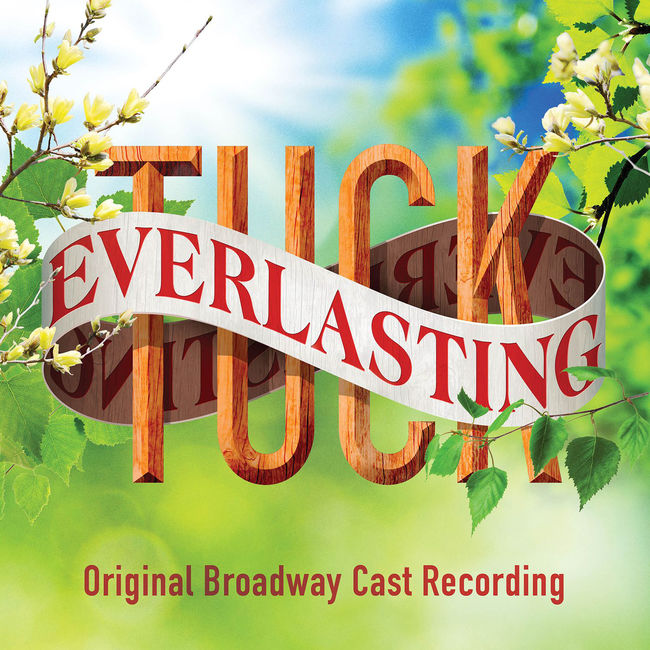
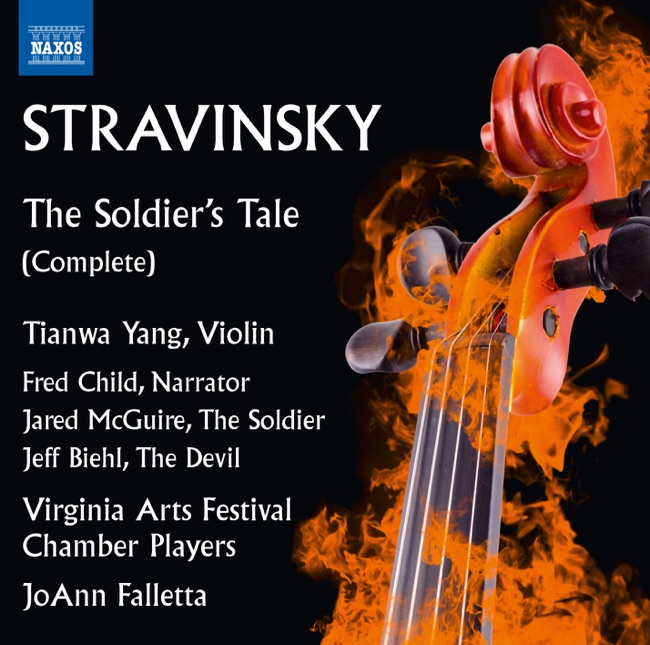
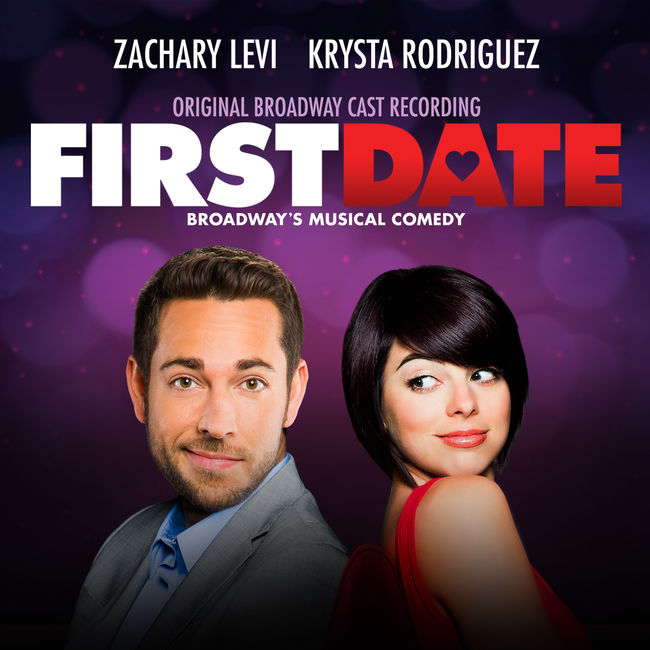
Musical Info
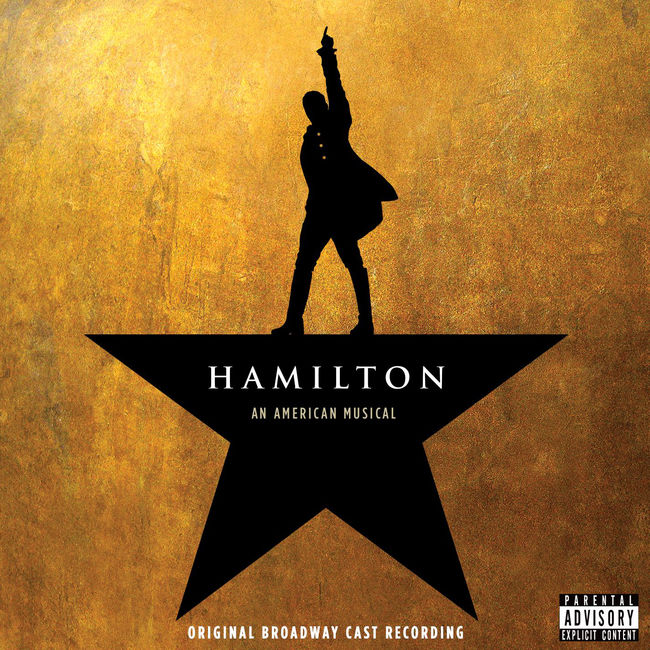
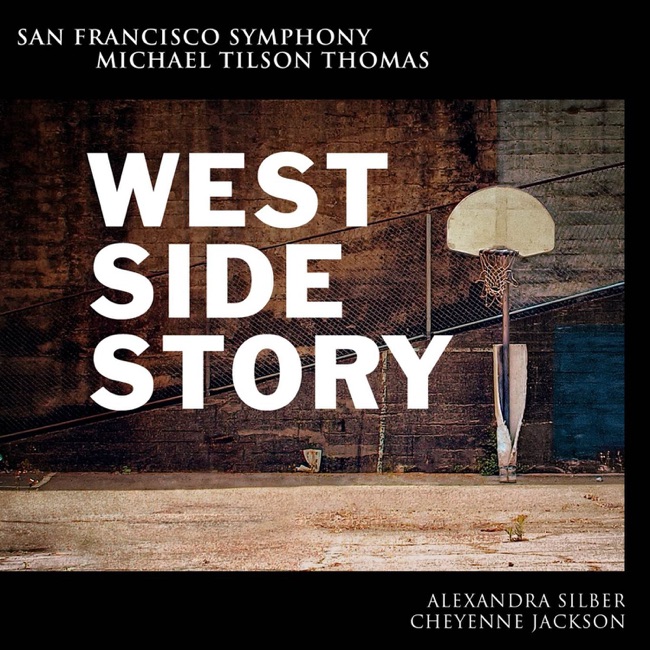
GENRE : Musical뮤지컬은 대사, 노래, 기악, 무용을 통합하여 하나의 응집력 있는 이야기를 전달하거나 주제를 전달하는 무대 공연 장르입니다. 오페라의 성악 기법, 연극적 스토리텔링, 그리고 양식적 다양성을 결합하여 고전 및 대중적 전통에서 독보적인 위치를 차지합니다. 뮤지컬의 기원은 18세기와 19세기 유럽의 오페레타와 코믹 오페라 전통, 특히 자크 오펜바흐, 요한 슈트라우스 2세, 그리고 영국의 듀오 길버트 앤 설리번의 작품에서 찾아볼 수 있습니다. 이러한 초기 형태들은 노래로 하는 대사, 풍자적인 줄거리, 그리고 가벼운 음악 반주라는 관습을 확립했습니다. 미국에서는 보드빌, 레뷔, 민스트럴 쇼를 거치며 발전하여 오늘날 브로드웨이 뮤지컬로 인정받는 장르의 형성으로 이어졌습니다. 20세기 초, 제롬 컨과 조지 거슈윈 같은 작곡가들은 서사 구조를 음악과 가사에 통합하기 시작하면서 다양한 엔터테인먼트에서 더욱 통합된 극적 형태로의 전환을 알렸습니다. 1940년대부터 1960년대까지 이어지는 뮤지컬의 황금기는 이 장르의 예술적, 문화적 지위를 공고히 했습니다. 리처드 로저스, 레너드 번스타인, 스티븐 손드하임 같은 작곡가들은 음악, 가사, 줄거리가 복잡하게 얽힌 작품을 만들었습니다. 오클라호마!, 웨스트 사이드 스토리, 스위니 토드와 같은 쇼는 복잡한 캐릭터, 사회적 주제, 세련된 음악 언어를 통합하여 이 장르의 극적이고 음악적인 잠재력을 보여주었습니다. 이 시기에 뮤지컬은 재즈, 클래식 음악, 미국 대중가요의 영향을 흡수하여 양식적 혼성성을 촉진했습니다. 20세기 후반과 21세기 초에 뮤지컬은 형식과 내용 모두에서 확장되었습니다. 앤드루 로이드 웨버의 <오페라의 유령>과 클로드 미셸 쇤베르크의 <레 미제라블>을 대표적으로 보여주는 "메가뮤지컬"의 등장은 대규모 제작, 세계 투어, 그리고 감정적으로 강렬한 음악들을 강조했습니다. 동시에, 더욱 친밀하고 실험적인 작품들이 정체성, 인종, 정신 건강, 그리고 정치 비판을 탐구했습니다. 조너선 라슨의 <렌트>, 린 마누엘 미란다의 <해밀턴>, 마이클 R. 잭슨의 <스트레인지 루프>와 같은 뮤지컬들은 힙합, 가스펠, 그리고 개인적인 서사를 활용하여 관습에 도전했습니다. 음악적으로 이 장르는 명확한 멜로디 라인, 다채로운 보컬 스타일, 그리고 극적인 페이싱이 특징입니다. 노래에는 주인공의 동기를 표현하는 "아이 원트" 넘버, 인물들의 관계를 탐구하는 앙상블 넘버, 그리고 감정의 클라이맥스를 선사하는 "11시 넘버"가 자주 포함됩니다. 스코어는 완전히 오케스트라 편곡된 클래식한 곡부터, 현대 팝의 영향을 받아 간결하고 리듬감 넘치는 편곡까지 다양합니다. 뮤지컬의 목소리는 표현력과 딕션, 그리고 스타일리시한 뉘앙스를 결합하는 다재다능함을 요구합니다. 이 장르의 하이브리드적 특성은 끊임없는 혁신과 장르 간 실험을 가능하게 합니다.더 넓은 고전 전통 속에서 뮤지컬은 역사적으로 소외되어 왔지만, 그 예술적 가치, 기술적 요구, 그리고 문화적 공감으로 점차 인정받고 있습니다. 많은 연주자와 작곡가들이 뮤지컬, 오페라, 콘서트 음악을 자유롭게 넘나들며 장르의 침투성과 영향력을 보여줍니다. 대표적인 작품으로는 로저스와 해머스타인의 <사운드 오브 뮤직>, 번스타인의 <웨스트 사이드 스토리>, 존드하임의 <숲속으로>, 그리고 미란다의 <해밀턴>이 있습니다. 오늘날 뮤지컬은 새로운 기술, 스트리밍 플랫폼, 그리고 학제 간 협업을 통해 끊임없이 발전하며 역동적이고 포용적인 음악 스토리텔링의 한 형태로서 그 중요성을 더욱 강화하고 있습니다.More....
Musical Recent Released Music

10
1:41
13
5:11

Musical Highlight
Recommend Playlist