CONCERTO
Concerto Album
Recent Album
-
-
-
-
-
-
-
-
-
-
-
-
-
-

-
-
-
-
 Graubünden Classical ArchiveAugust 16, 2024
 -
-
-
-
-
-
Featured Album

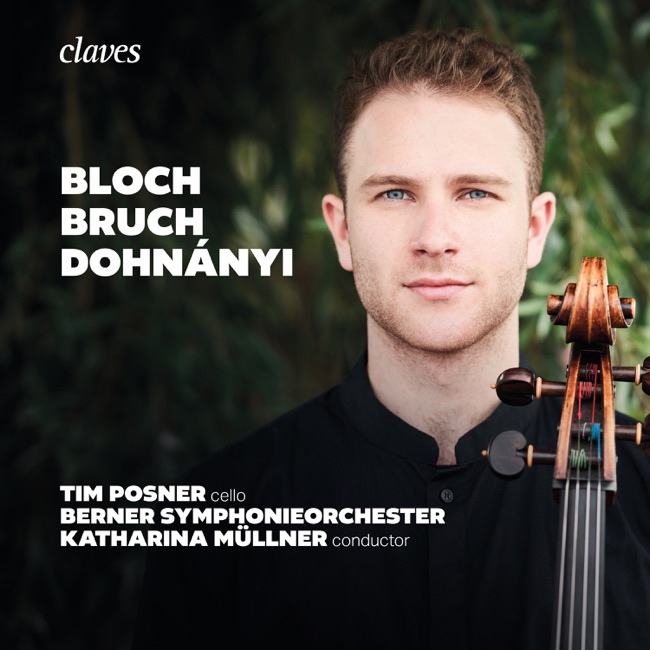
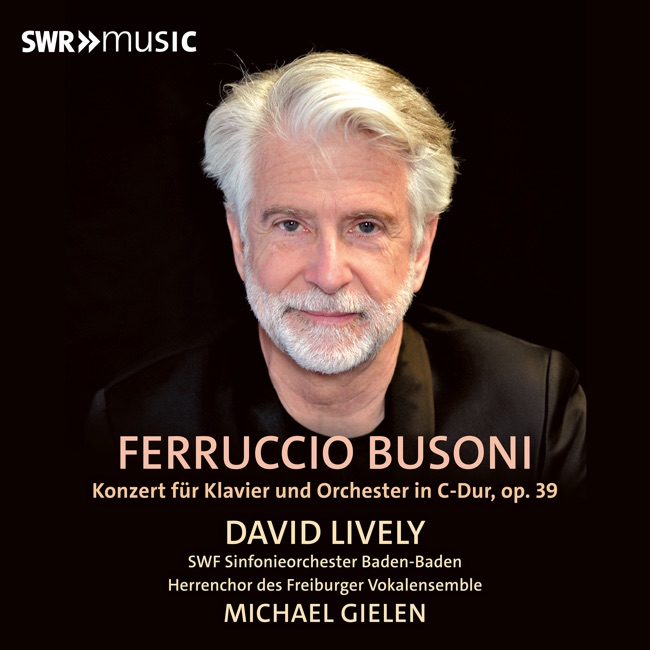
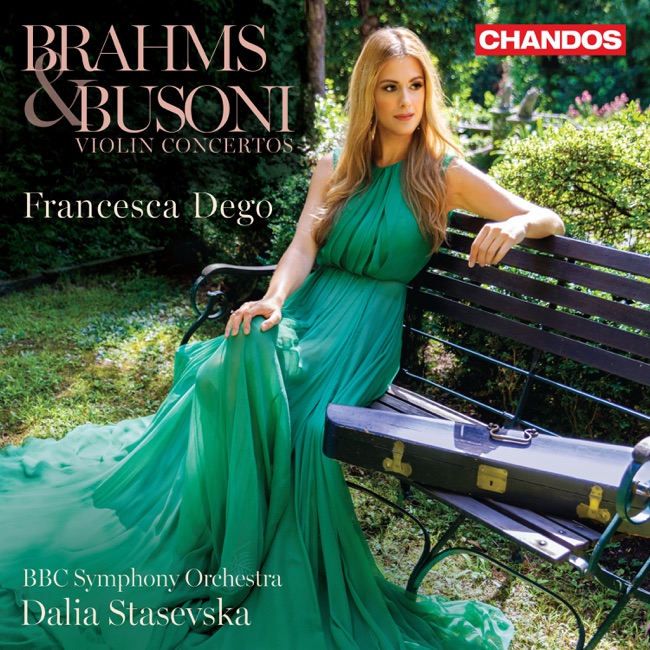
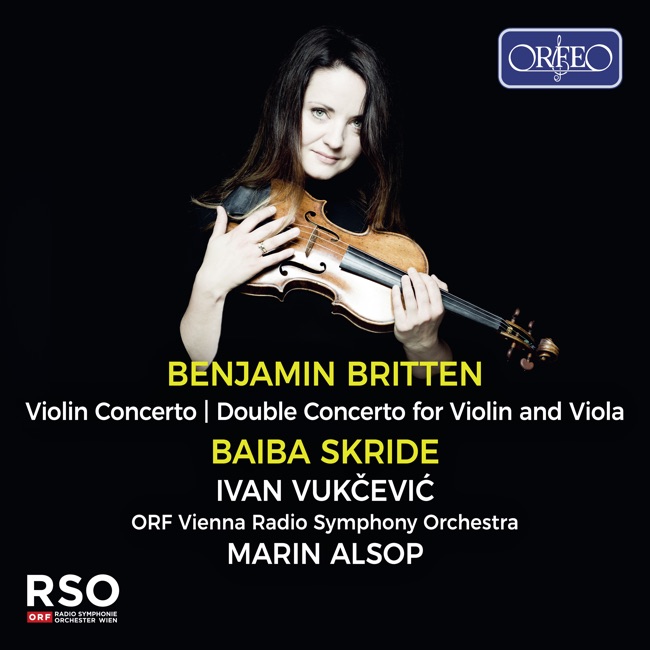
Concerto Info
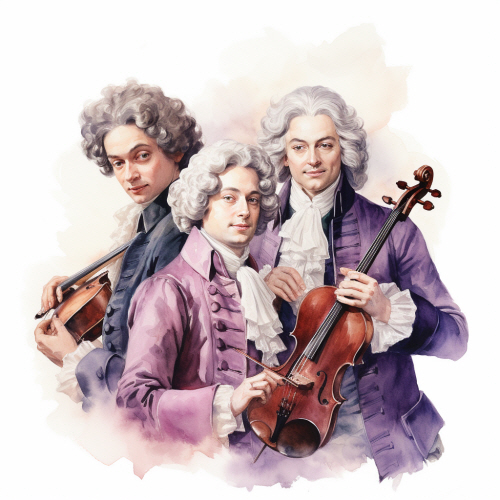
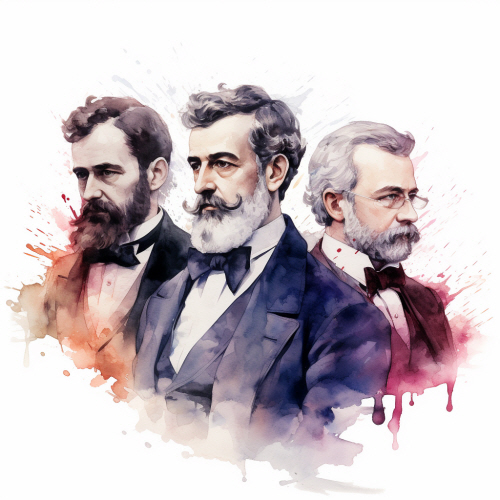
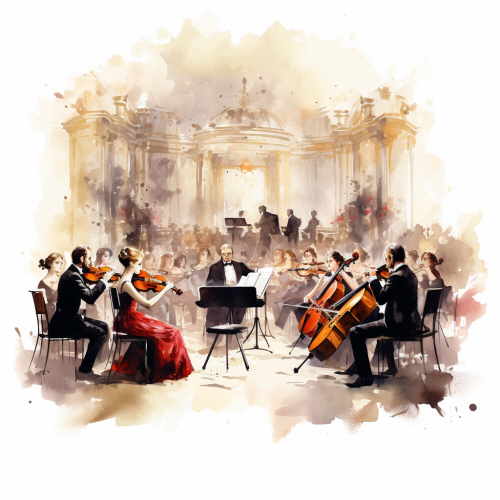
GENRE : Concerto협주곡은 오케스트라를 배경으로 독주 악기가 연주되는 클래식 음악 장르로, 개인의 기교와 집단적인 앙상블 사운드가 극적인 조화를 이룹니다. 후기 바로크 시대에 시작된 협주곡은 독주자와 대규모 앙상블이 대조를 이루는 콘체르토 그로소(Concerto Grosso)와 같은 초기 형식에서 발전했습니다. 안토니오 비발디가 정립한 독주 협주곡은 일반적으로 빠른 악장, 느린 악장, 빠른 악장의 3악장 구조를 사용하여 대조, 대화, 그리고 기교적 탁월함을 강조했습니다. 비발디의 작품, 특히 사계는 여러 세대의 작곡가들에게 영향을 미친 형식적이고 표현적인 틀을 확립했습니다. 고전주의 시대에 모차르트와 하이든과 같은 작곡가들은 협주곡 형식을 더욱 발전시켜 교향곡적 발전과 고전적 명료함이라는 더 넓은 언어에 통합시켰습니다. 모차르트의 피아노 협주곡은 우아함, 대화체 구조, 그리고 독주자와 오케스트라 간의 균형 잡힌 상호 작용으로 돋보입니다. 베토벤은 이러한 토대를 바탕으로 이 장르에 새로운 규모와 깊이 있는 표현을 도입했습니다. 그의 피아노 협주곡 5번("황제")과 D장조 바이올린 협주곡은 협주곡의 구조적, 감정적 가능성을 확장하여 개인적인 표현과 교향곡의 웅장함을 융합했습니다. 낭만주의 시대에는 협주곡에 고조된 감정, 기교적 요구, 그리고 확장된 관현악법이 도입되었습니다. 멘델스존, 브람스, 차이콥스키, 라흐마니노프와 같은 작곡가들은 기교적인 악절로 연주자에게 도전적인 협주곡을 작곡하면서도 서정적인 자기 성찰과 극적인 대비를 제시했습니다. 이러한 작품들은 협주곡을 단순한 형식적인 연주에서 심오하고 표현력이 풍부한 서사적 장치로 격상시켰습니다. 20세기에 작곡가들은 다양한 양식, 기법, 그리고 악기 편성을 수용했습니다. 스트라빈스키, 프로코피예프, 바르톡, 쇼스타코비치는 모더니스트적 표현 방식, 민속적 영향, 그리고 정치적 함의를 반영하는 협주곡을 작곡했습니다. 타악기, 색소폰, 보컬 등 이전에는 이 장르에서 간과되었던 악기를 위한 새로운 협주곡들이 등장하며, 이는 변화하는 음악적 취향과 기술을 반영합니다. 현대 협주곡은 종종 전자 악기, 멀티미디어, 즉흥 연주 요소를 통합하여 이 장르의 표현 범위를 넓힙니다. 음악적으로 협주곡은 독주자와 오케스트라 간의 형식적 대조, 독주자가 기교적 숙달을 보여주기 위해 혼자 연주하는 카덴차, 그리고 변화와 상호작용을 강조하는 주제 전개가 특징입니다. 많은 협주곡이 전통적인 3악장 형식을 따르지만, 일부는 틀에 얽매이지 않은 형식, 연속적인 구조, 또는 프로그램 요소를 채택합니다. 협주곡은 악기 연주의 숙달과 창의적인 혁신을 보여주는 플랫폼으로서 고전 음악 전통에서 중심적인 위치를 차지합니다. 협주곡은 독주자의 경력에 필수적이며 오케스트라 콘서트 프로그램의 주류를 이룹니다. 대표적인 예로는 비발디의 사계, 모차르트의 피아노 협주곡 20~27번,베토벤의 피아노 협주곡 5번, 브람스의 바이올린 협주곡, 차이콥스키의 피아노 협주곡 1번, 라흐마니노프의 피아노 협주곡 2번. 최근 수십 년 동안 토마스 아데스, 운숙 친, 제니퍼 히그던, 존 애덤스와 같은 작곡가들은 정체성, 이주, 기후와 같은 현대적 주제를 반영하며 협주곡의 표현 영역을 확장해 왔습니다. 개인과 집단 모두를 찬양하는 장르로서 협주곡은 끊임없이 발전하며 클래식 음악에서 가장 매력적인 형식 중 하나로 자리매김하고 있습니다.More....
Concerto Recent Released Music
1
19:17
7
22:29
11

4:23
14
3:48
Concerto Highlight
Recommend Playlist