


Pyotr Il'yich Tchaikovsky (Pyotr Ilyich Tchaikovsky)
Released Album
Orchestral
-
 September 30, 2024
 -
 July 15, 2024
 -
-
 June 26, 2024
 -
-
Concerto
-
 October 19, 2024
 -
 July 26, 2024
 -
 July 9, 2024
 -
 May 29, 2024
 -
 April 26, 2024
 -
Keyboard
-
 October 18, 2024
 -
 October 18, 2024
 -
-
 September 26, 2024
 -
 September 13, 2024
 -
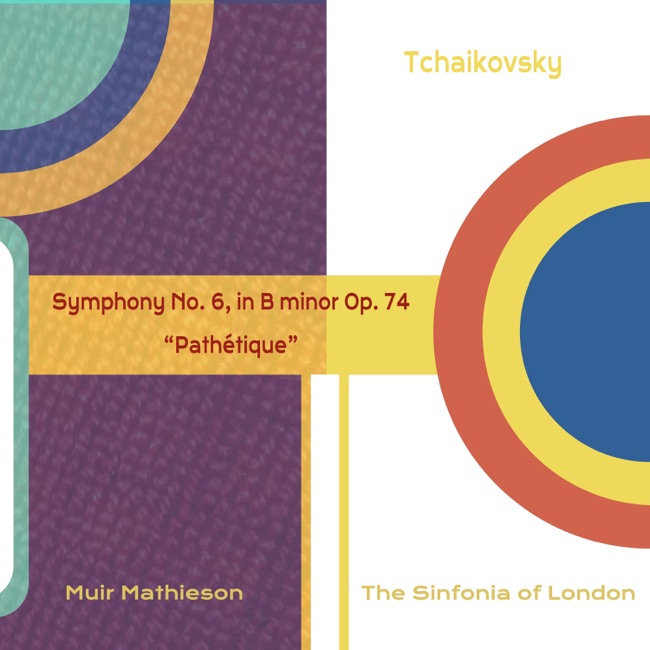
Symphony
-
-
 July 18, 2024
 -
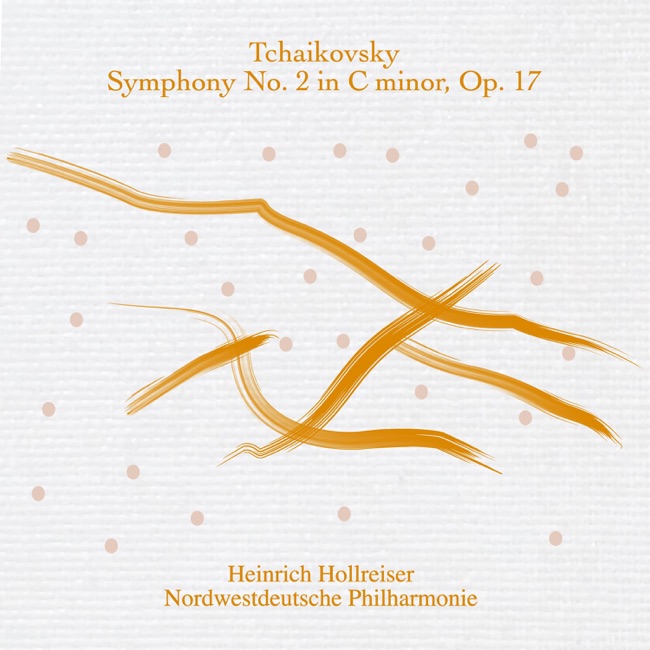 July 15, 2024
 -
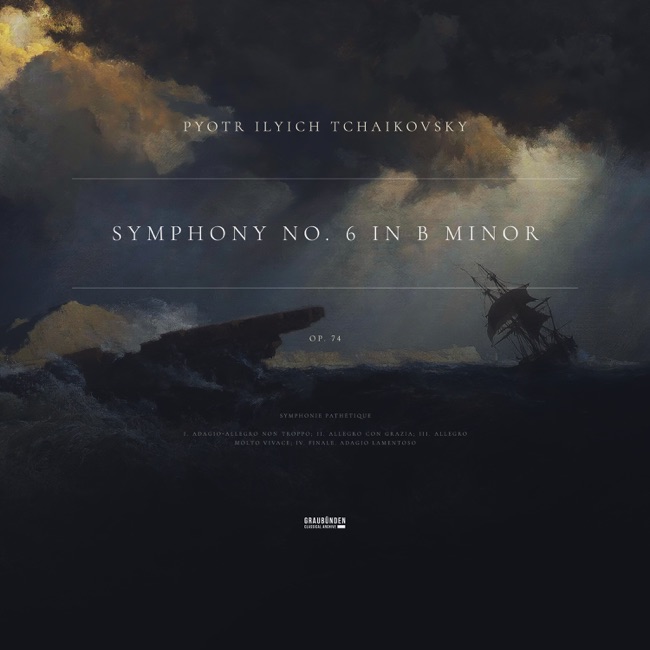 July 12, 2024
 -
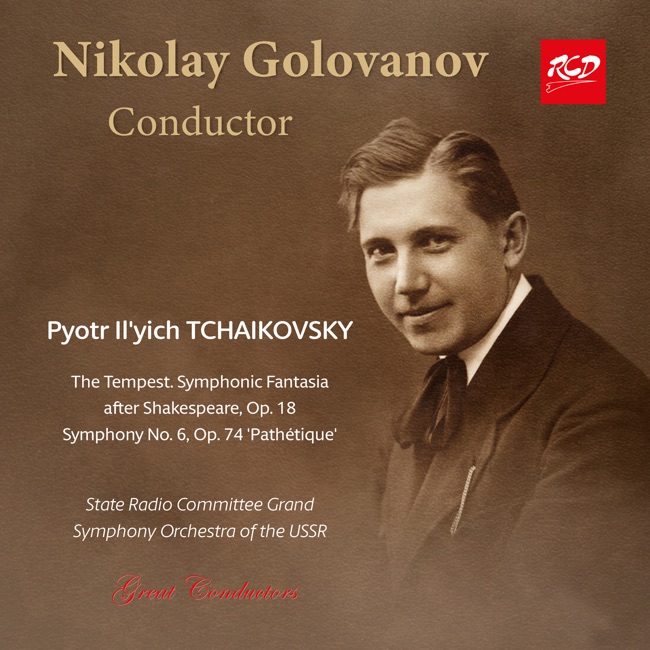
-
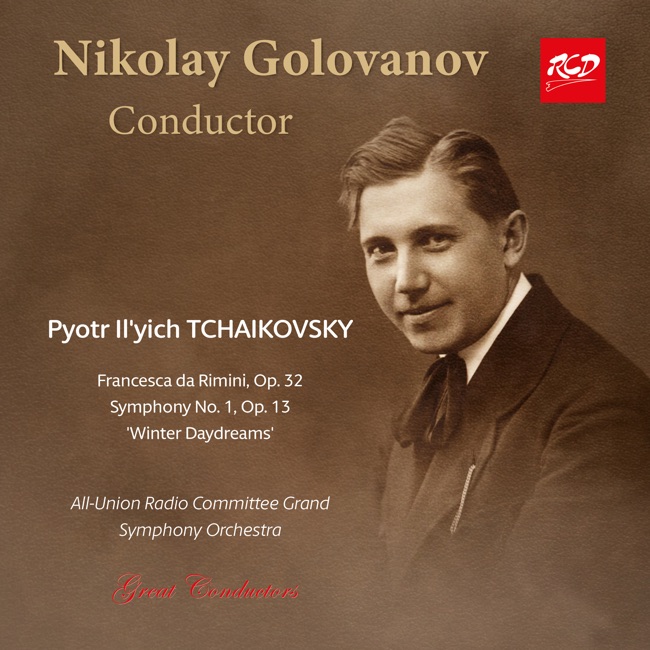 July 1, 2024
Artist Info
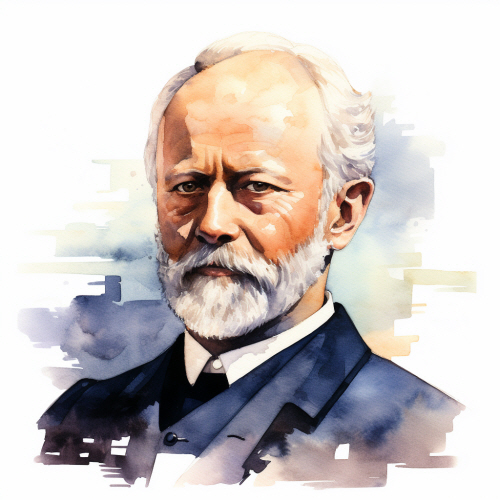
Role:Composer Conductor PerformerCountry: RussiaBirth:May 7, 1840 in Votkinsk, RussiaDeath:November 6, 1893 in St. Petersburg, RussiaPeriod:RomanticGenre:BalletConcertoOperaOrchestralSymphonyPyotr Il'yich Tchaikovsky was a Russian composer who is widely regarded as one of the greatest composers of the Romantic era. He was born on May 7, 1840, in Votkinsk, a small town in the Ural Mountains of Russia. His father, Ilya Petrovich Tchaikovsky, was a mining engineer, and his mother, Alexandra Andreyevna, was of French descent. Tchaikovsky was the second of six children in the family. Tchaikovsky showed an early interest in music, and his parents encouraged him to pursue his passion. He began piano lessons at the age of five, and by the age of six, he was already composing his own music. In 1850, Tchaikovsky's family moved to St. Petersburg, where he continued his musical education at the Imperial School of Jurisprudence. While at the school, Tchaikovsky received a well-rounded education, studying not only music but also literature, history, and languages. After graduating from the Imperial School of Jurisprudence in 1859, Tchaikovsky began studying music at the St. Petersburg Conservatory. He studied composition with Anton Rubinstein and harmony with Nikolai Zaremba. In 1861, Tchaikovsky graduated from the conservatory with a gold medal in composition. Tchaikovsky's early compositions were heavily influenced by the music of Western Europe, particularly the works of Mozart, Beethoven, and Schumann. However, he soon began to develop his own unique style, which was characterized by its emotional intensity and melodic richness. Tchaikovsky's music was also notable for its use of folk melodies and its incorporation of Russian musical traditions. Tchaikovsky's first major success came in 1875 with the premiere of his Piano Concerto No. 1 in B-flat minor. The concerto was an instant hit, and it remains one of Tchaikovsky's most popular works to this day. In the years that followed, Tchaikovsky continued to compose a wide variety of music, including symphonies, operas, ballets, and chamber music. One of Tchaikovsky's most famous works is his ballet, Swan Lake, which premiered in 1877. The ballet tells the story of a princess who is turned into a swan by an evil sorcerer. The music for Swan Lake is characterized by its lush melodies and its use of leitmotifs, which are musical themes that are associated with specific characters or ideas. Another of Tchaikovsky's famous works is his 1812 Overture, which was composed in 1880 to commemorate Russia's victory over Napoleon's army in 1812. The overture is notable for its use of cannon fire and church bells, which were intended to evoke the sounds of battle. Tchaikovsky's personal life was often tumultuous. He struggled with his sexuality, and his relationships with women were often fraught with tension. In 1877, Tchaikovsky married Antonina Miliukova, a former student who had become infatuated with him. The marriage was a disaster, and Tchaikovsky attempted suicide shortly after the wedding. The couple separated after only a few months, and Tchaikovsky never remarried. Tchaikovsky's final years were marked by a series of personal and professional setbacks. In 1890, he suffered a nervous breakdown and was forced to take a leave of absence from his teaching position at the Moscow Conservatory. In 1893, Tchaikovsky's brother Modest died, and Tchaikovsky was devastated by the loss. Later that year, Tchaikovsky was diagnosed with cholera and died on November 6, 1893, at the age of 53.More....
Recent Artist Music
9

6:24
Works Highlight
Recommend Playlist





Related Artists
Copyright Ⓒ 2013 Davinci Finger. All rights reseved
Service Terms & Policy