ORCHESTRAL
Orchestral Album
Recent Album
-
-
-
-
-
-
-
-
-
-
-
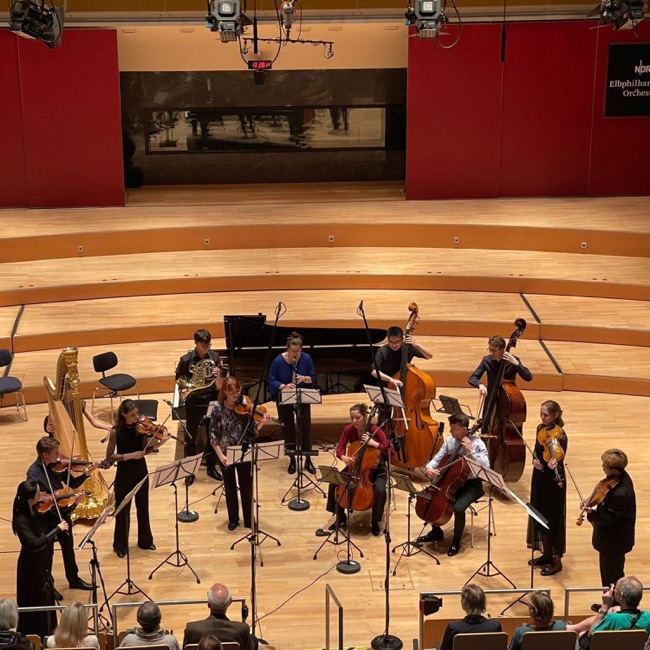 Akademist*innen des NDR ElbphilharmonieorchestersSeptember 16, 2024
 -
-
-
-
-
-
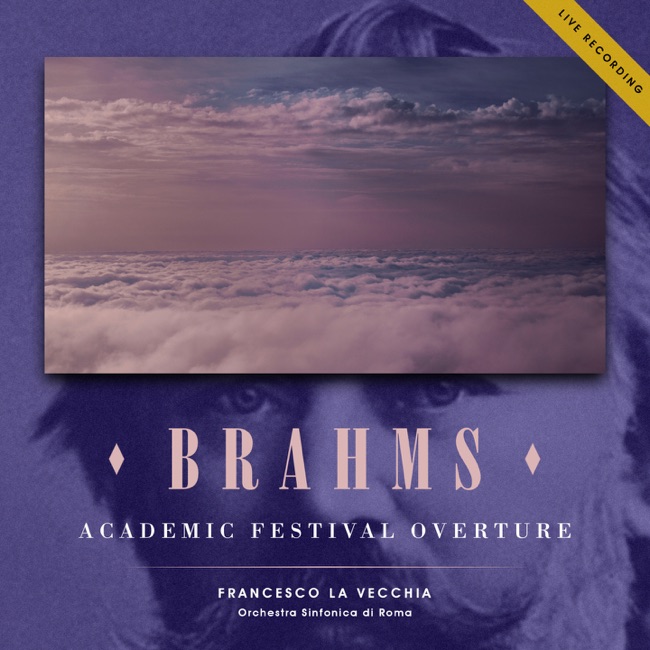
-
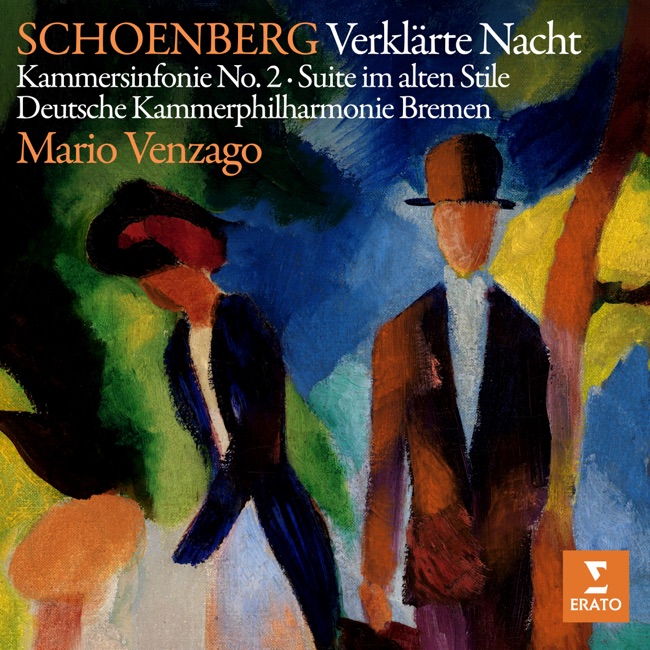
-
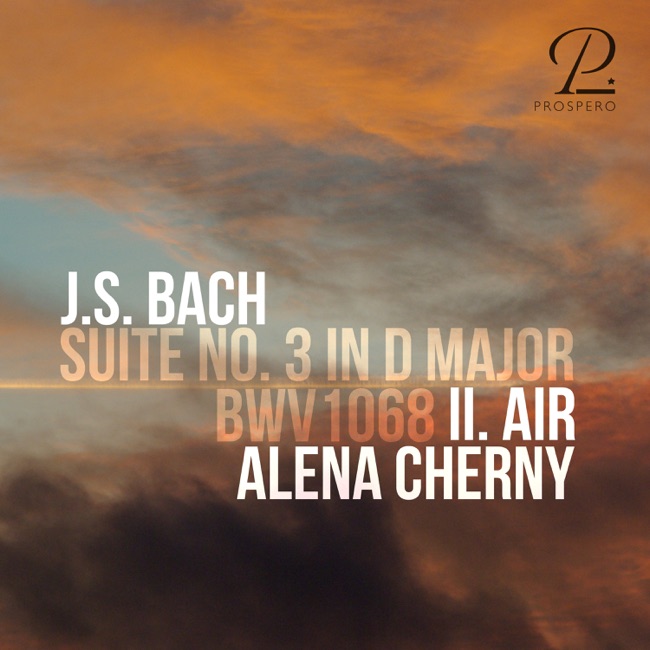
-
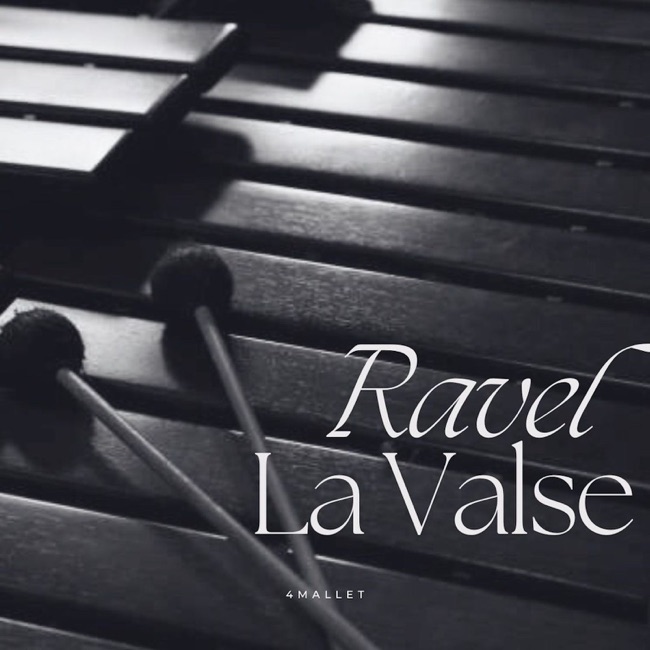
-
-
-
 Graubünden Classical ArchiveAugust 16, 2024
 -
Featured Album
Orchestral Info
GENRE : Orchestral관현악은 클래식 음악의 근간이 되는 장르로, 현악기, 목관악기, 금관악기, 타악기로 구성된 완전한 오케스트라를 위해 작곡된 작품을 말합니다. 대규모의 음향적 표현, 복잡한 형식적 발전, 그리고 폭넓은 감정적 음역을 특징으로 합니다. 서양 고전 음악에서 가장 영향력 있는 형식 중 하나인 관현악은 바로크 시대부터 현재까지 작곡 혁신과 문화적 표현의 주요 수단으로 활용되어 왔습니다. 오케스트라의 기원은 바로크 시대로 거슬러 올라가는데, 클라우디오 몬테베르디와 장 바티스트 륄리 같은 작곡가들이 연극 및 의식을 위해 기악 앙상블을 편성했던 시기입니다. 초기 오케스트라는 현악 파트를 중심으로 구성되었고, 목관악기와 금관악기가 보조 역할을 했습니다. 아르칸젤로 코렐리와 요한 제바스티안 바흐와 같은 작곡가들이 협주곡과 관현악 모음곡을 발전시키면서 더욱 정교한 관현악 작곡의 토대를 마련했습니다. 고전 시대에 이르러 오케스트라는 규모와 구조 면에서 더욱 표준화되었습니다. 하이든, 모차르트, 베토벤 같은 작곡가들은 관악기와 금관악기의 역할을 확장하고, 소나타와 교향곡 같은 형식적 모델을 다듬었으며, 관현악법을 활용하여 질감의 명확성과 주제적 대비를 이루었습니다. 특히 베토벤은 관현악 작곡의 표현적 경계를 넓혀 그의 다이나믹 레인지와 주제적 발전으로 여러 세대의 작곡가들에게 영향을 미쳤습니다. 낭만주의 시대에는 관현악의 힘이 극적으로 증가하여 작곡가들이 새로운 음색적 가능성을 탐구하고 감정 표현을 더욱 풍부하게 할 수 있었습니다. 베를리오즈, 차이콥스키, 말러, 브루크너 같은 작곡가들은 표제음악, 교향시, 그리고 종종 철학적이거나 민족주의적인 주제를 담은 기념비적인 교향곡을 작곡했습니다. 기악적 색채, 주제적 변형, 그리고 화성적 실험은 이 시기 관현악 작곡의 핵심 특징이 되었습니다. 20세기에는 인상주의와 신고전주의에서 무조성과 미니멀리즘에 이르기까지 새로운 미적 패러다임이 등장했습니다. 드뷔시, 스트라빈스키, 쇤베르크, 쇼스타코비치와 같은 작곡가들은 오케스트라를 음향적 탐구를 위한 실험실로 재창조했습니다. 오케스트라 음악은 민속적 요소, 비서구적 음계, 그리고 확장된 타악기적 질감을 통합했습니다. 현대 오케스트라는 정치적 논평, 개인적 표현, 그리고 아방가르드적 실험의 장이 되었습니다. 오케스트라 음악은 구조적으로 다양하며, 교향곡, 서곡, 협주곡, 모음곡, 교향시, 발레 등을 아우릅니다. 작품은 종종 소나타, 론도, 주제와 변주, 푸가와 같은 형식을 사용하여 여러 악장으로 구성됩니다. 특정 악기에 음악적 소재를 할당하는 기술인 오케스트레이션은 이 장르의 핵심이며, 질감, 색채, 분위기의 역동적인 변화를 가능하게 합니다. 작곡가들은 다양한 악기 연주 기법을 사용하여 대조, 긴장감, 그리고 해소를 만들어냅니다. 대표적인 오케스트라 작품으로는 베토벤의 교향곡 5번이 있습니다.차이콥스키의 1812년 서곡, 말러의 교향곡 2번, 드뷔시의 <바다>, 스트라빈스키의 <봄의 제전>, 라벨의 <다프니스와 클로에>. 현대 오케스트라 음악은 전자음악, 멀티미디어, 그리고 세계적인 음악 전통의 융합을 통해 끊임없이 발전하고 있습니다. 토마스 아데스, 안나 클라인, 존 애덤스, 카이야 사리아호와 같은 작곡가들은 오케스트라 작곡을 통해 스펙트럼주의, 포스트미니멀리즘, 그리고 생태학적 주제를 탐구합니다. 오늘날 오케스트라는 다양한 프로그램을 기획하고, 새로운 작품을 의뢰하며, 교육, 디지털 스트리밍, 그리고 지역 사회 봉사 활동을 통해 접근성을 높이고 있습니다. 웅장함과 뉘앙스를 모두 구현하는 장르로서, 오케스트라 음악은 클래식 음악계의 세계적 흐름에서 여전히 중요하고 끊임없이 새롭게 거듭나는 원동력입니다.More....
Orchestral Recent Released Music
1
2:42
2
11:7

6
13:22

11
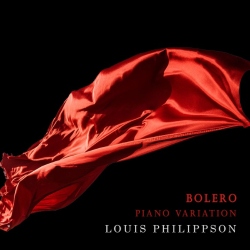
2:33
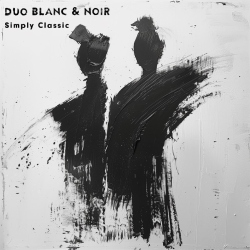

14
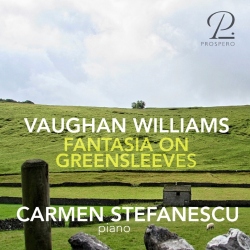
4:57
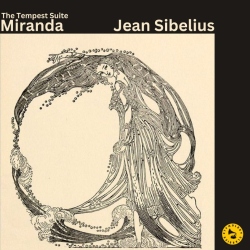
Orchestral Highlight
Recommend Playlist