


Ernst von Dohnányi
Released Album
Chamber
-
-
 June 28, 2024
 -
-
 May 17, 2024
 -
 April 26, 2024
 -
 October 27, 2023
Keyboard
-
 April 5, 2024
 -
 July 27, 2023
 -
 July 7, 2023
 -
 April 10, 2023
 -
 January 10, 2022
 -
 October 14, 2021
Concerto
-
-
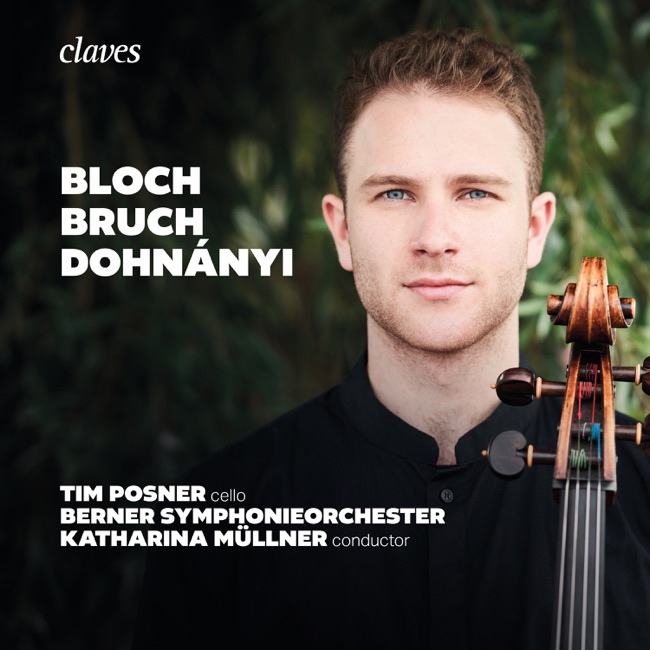 March 15, 2024
 -
 June 12, 2023
 -
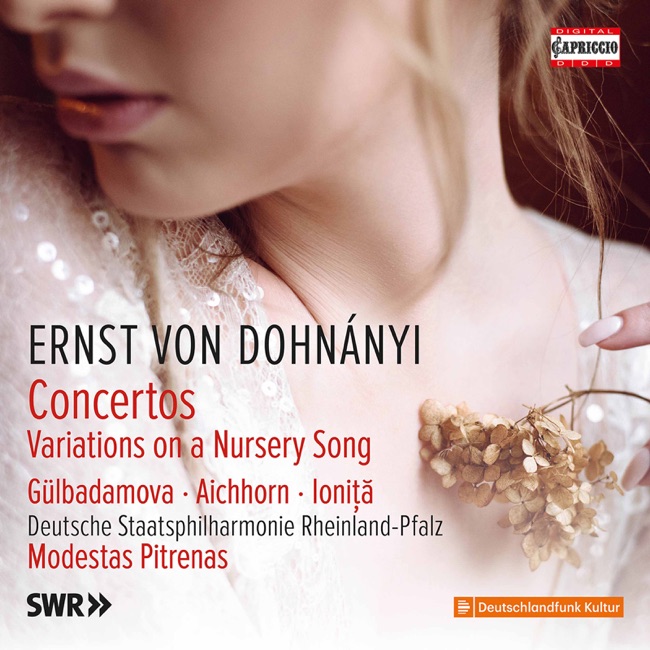 February 18, 2022
 -
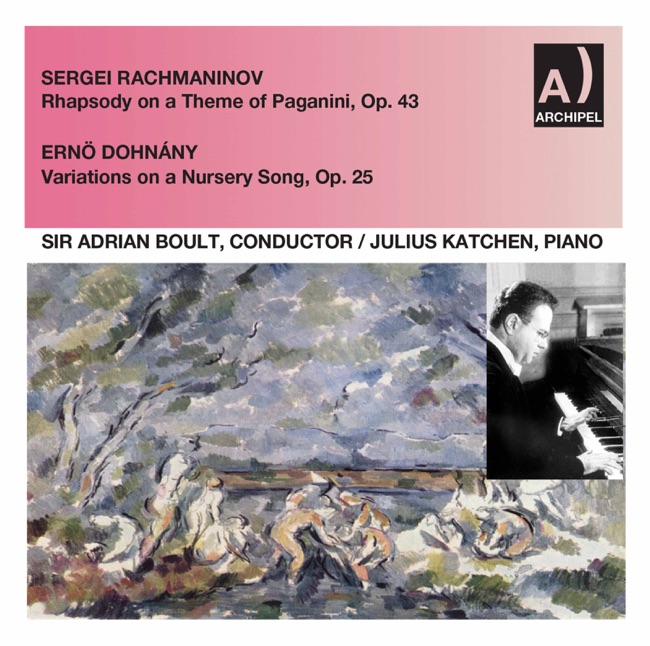
-
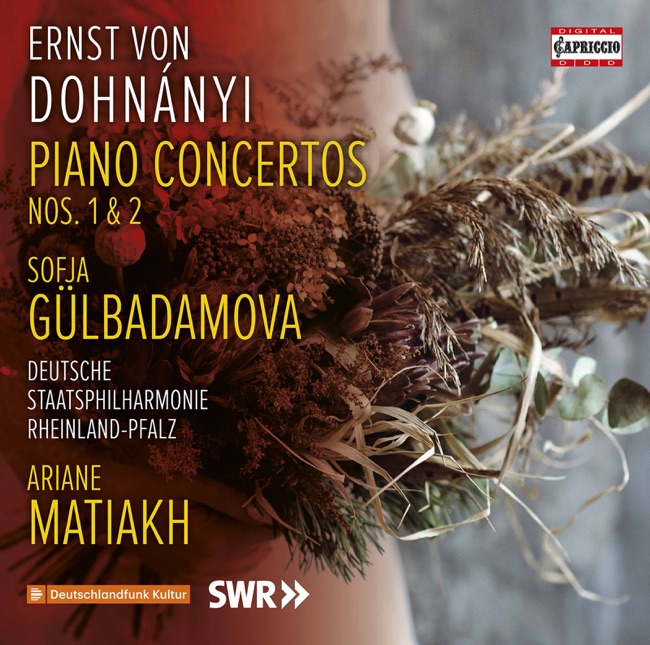 April 3, 2020
Orchestral
-
-
-
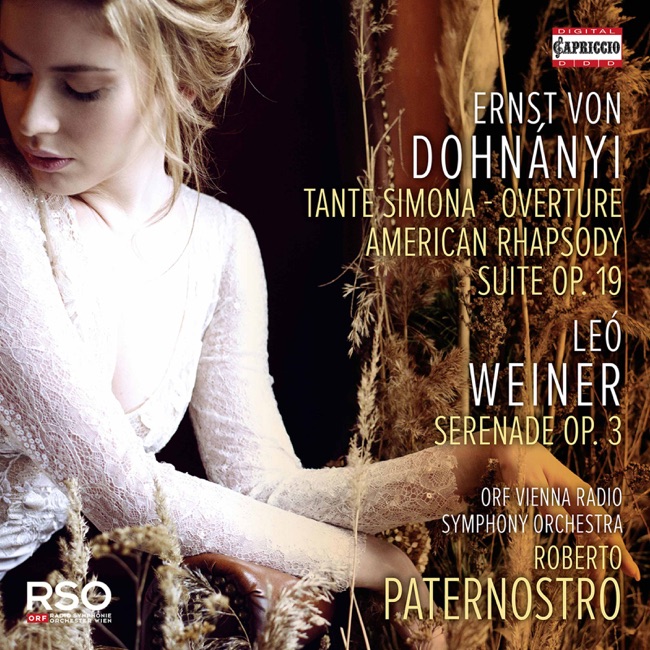
 September 21, 2018
 -
-
 August 5, 2013
 -
Artist Info
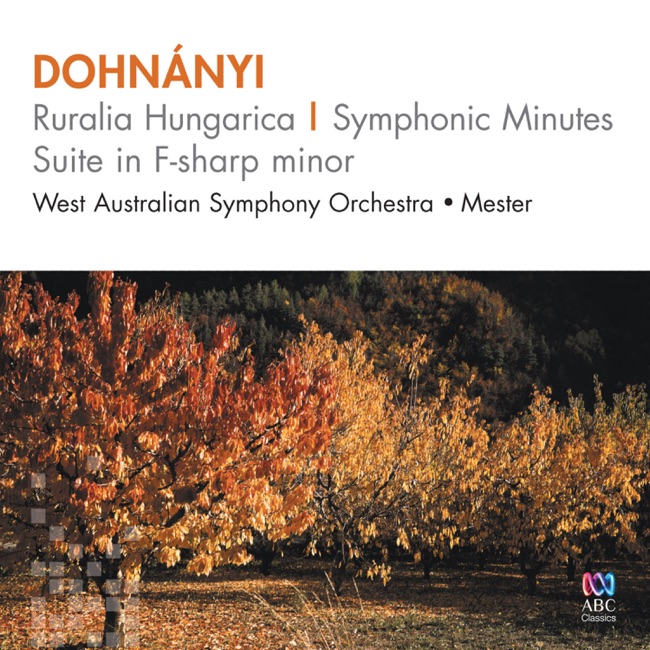
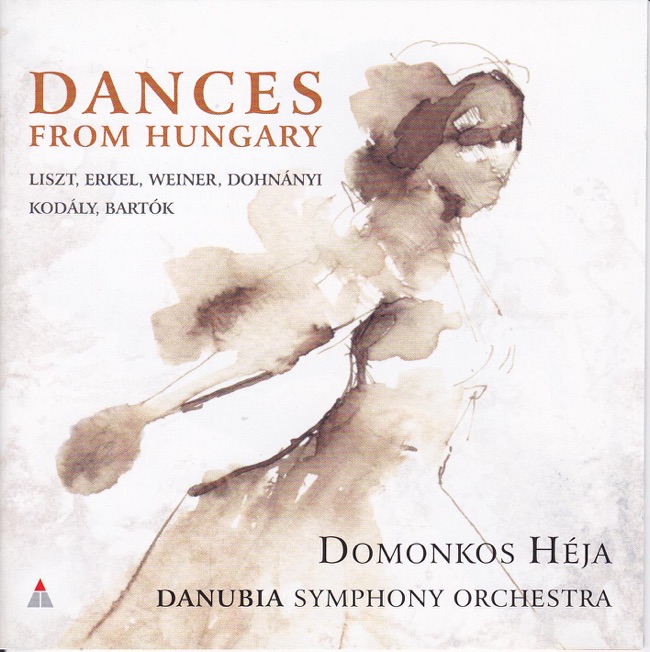
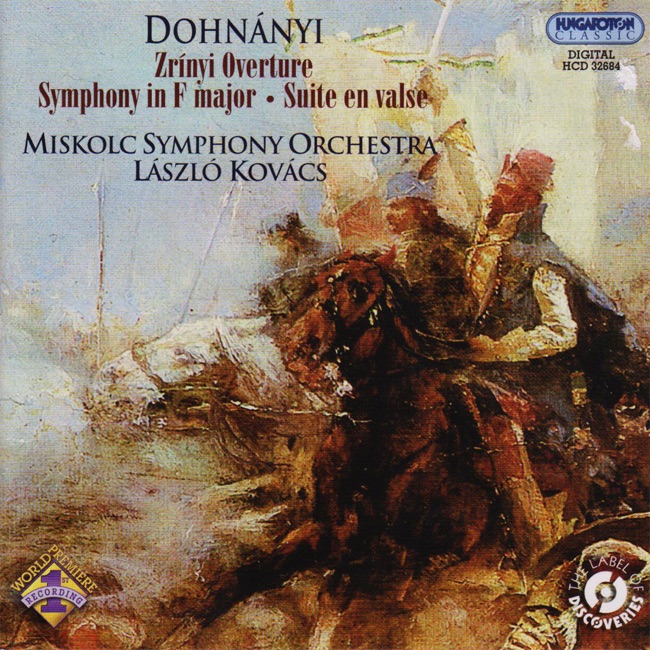
Role:Composer ConductorCountry: HungaryBirth:July 27, 1877 in Pressburg, SlovakiaDeath:February 9, 1960 in New York City, NYPeriod:RomanticContemporaryGenre:ChamberKeyboardOrchestralErnst von Dohnányi was a Hungarian composer, pianist, and conductor who lived from 1877 to 1960. He was born in Pozsony, which is now Bratislava, Slovakia, to a musical family. His father was a professor of mathematics and a cellist, and his mother was a pianist. Dohnányi showed an early aptitude for music and began piano lessons at the age of four. He later studied at the Budapest Academy of Music, where he was a student of Hans Koessler. Dohnányi's early compositions were influenced by the Romantic style of Brahms and Liszt. He gained recognition as a composer in 1902 with his Serenade for String Trio, Op. 10, which was performed by the Joachim Quartet. This work was followed by his Piano Quintet No. 1, Op. 1, which was premiered in 1904 and established his reputation as a composer. In addition to his work as a composer, Dohnányi was also a renowned pianist and conductor. He made his debut as a pianist in Berlin in 1902 and went on to perform throughout Europe and the United States. He was also the conductor of the Budapest Philharmonic Orchestra from 1919 to 1944 and the conductor of the Hungarian State Opera from 1949 to 1956. Dohnányi's compositions are characterized by their Romantic style, rich harmonies, and virtuosic piano writing. He wrote in a variety of genres, including orchestral works, chamber music, and solo piano pieces. Some of his most notable works include his Symphony No. 1 in D minor, Op. 9, his Piano Concerto No. 1 in E minor, Op. 5, and his Variations on a Nursery Song, Op. 25. Dohnányi's Symphony No. 1 was composed in 1901 and premiered in 1902. The work is in four movements and is notable for its use of Hungarian folk melodies. The first movement is marked by its dramatic opening and use of brass and percussion. The second movement is a lyrical and melancholic adagio, while the third movement is a lively scherzo. The final movement is a triumphant and energetic finale. Dohnányi's Piano Concerto No. 1 was composed in 1898 and premiered in 1900. The work is in three movements and is notable for its virtuosic piano writing. The first movement is marked by its dramatic opening and use of the piano as a solo instrument. The second movement is a lyrical and introspective adagio, while the third movement is a lively and energetic finale. Dohnányi's Variations on a Nursery Song was composed in 1914 and is based on the Hungarian folk song "Twinkle, Twinkle, Little Star." The work is in eight variations and a coda and is notable for its use of chromaticism and virtuosic piano writing. The variations range from lyrical and introspective to lively and energetic. In addition to his compositions, Dohnányi was also known for his arrangements of works by other composers. He arranged Brahms' Hungarian Dances for piano four-hands and also arranged works by Bach, Handel, and Mozart. Dohnányi's career was interrupted by World War II and the political turmoil in Hungary that followed. He left Hungary in 1944 and settled in the United States, where he continued to compose and perform. He became a professor of music at Florida State University in 1949 and remained there until his retirement in 1958. Ernst von Dohnányi was a prolific composer, pianist, and conductor who made significant contributions to the world of classical music.More....
Recent Artist Music


7
17:14
11

Serenade for violin, viola & cello in C major, Op. 10
IV. Tema con variazioni. Andante con moto
6:7
12
2:3
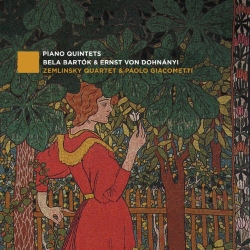
15

22:23
Works Highlight
Recommend Playlist





Related Artists
Copyright Ⓒ 2013 Davinci Finger. All rights reseved
Service Terms & Policy