


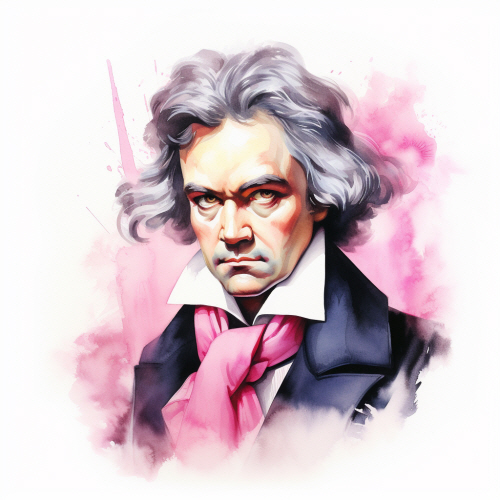
Ludwig van Beethoven
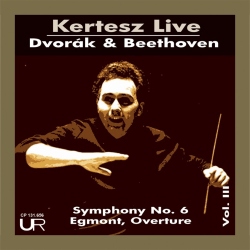
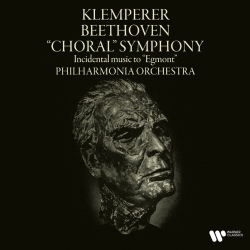
Egmont, Op. 84
Released Album
Recent Album


Featured Album
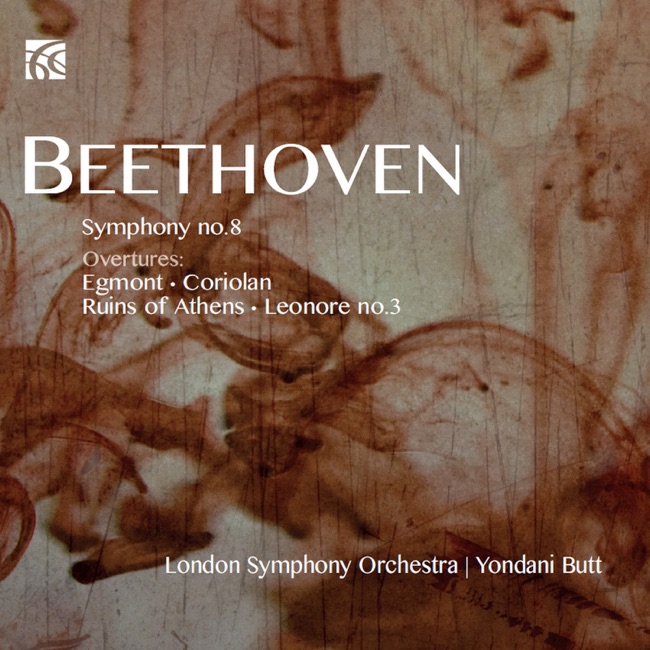
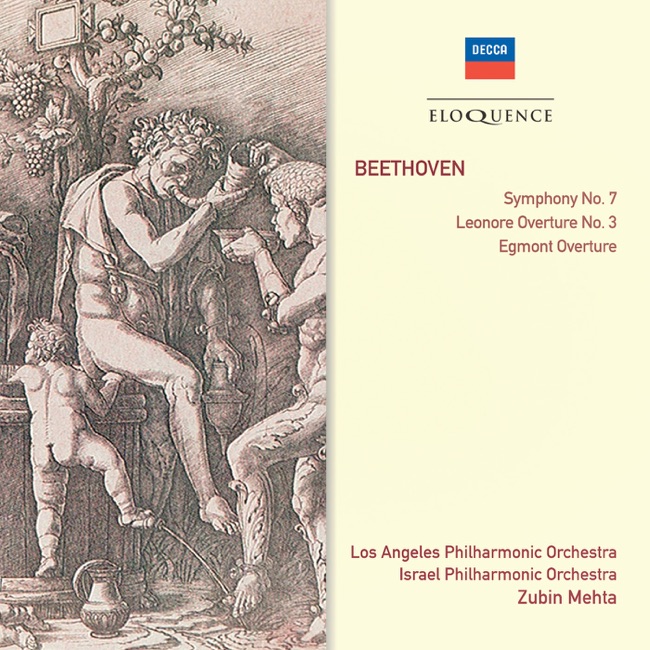
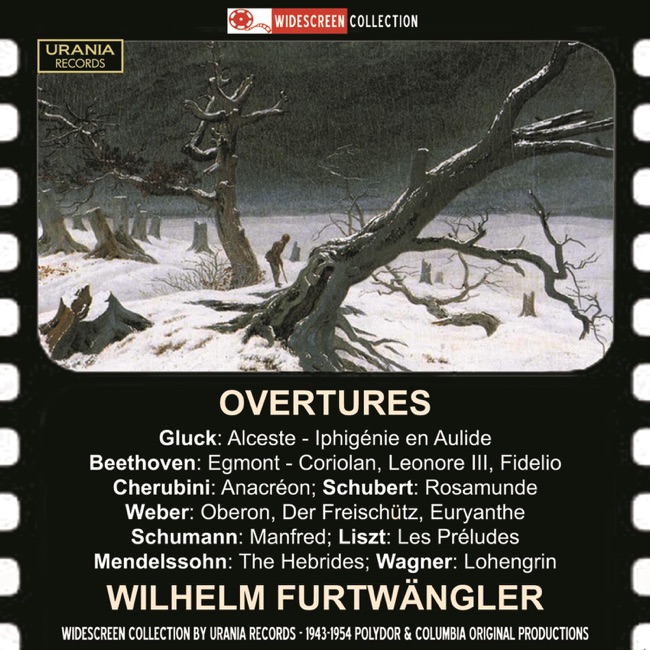
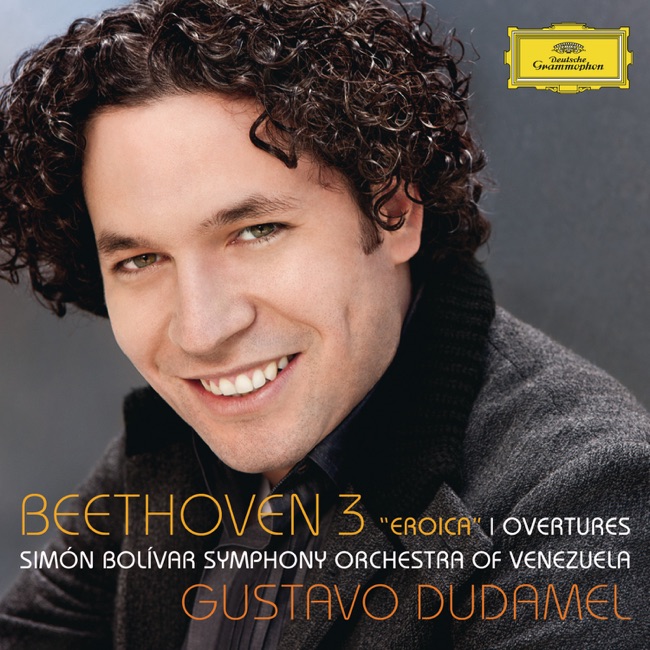
Works Info
Composer:Ludwig van BeethovenGenre:OrchestralStyle:Incidental MusicCompose Date:1809 - 1810First Performance:May 14, 1810Average_duration:34:17Movement_count:10Movement ...."Egmont, Op. 84" is a musical composition by Ludwig van Beethoven, composed in 1809. It was written as incidental music for a play of the same name by Johann Wolfgang von Goethe. The play tells the story of Count Egmont, a Dutch nobleman who fought against Spanish oppression in the 16th century and was eventually executed for his beliefs. The music consists of an overture and nine movements, each of which corresponds to a scene in the play. The overture is a powerful and dramatic piece that sets the tone for the rest of the work. It begins with a slow, mournful introduction that gradually builds in intensity, leading to a fast and energetic main section. The overture is notable for its use of a recurring theme that represents Egmont's struggle against oppression. The first movement, "Lied: Die Trommel gerühret" (Song: The Drum is Beating), is a martial song that celebrates the Dutch resistance against the Spanish. It features a driving rhythm and a catchy melody that is sung by a soloist. The second movement, "Intermezzo: Zwischenaktmusik" (Intermezzo: Interlude Music), is a short instrumental piece that serves as a transition between scenes. The third movement, "Lied: Freudvoll und leidvoll" (Song: Joyful and Sorrowful), is a solo song that expresses Egmont's conflicting emotions as he struggles with his fate. It is a beautiful and poignant piece that showcases Beethoven's skill as a composer of vocal music. The fourth movement, "Intermezzo: Zwischenaktmusik" (Intermezzo: Interlude Music), is another short instrumental piece that leads into the next scene. The fifth movement, "Clärchens Tod" (Clärchen's Death), is a somber and mournful piece that accompanies the death of Egmont's lover, Clärchen. It features a haunting melody that is played by the strings. The sixth movement, "Melodram: Süsser Schlaf" (Melodrama: Sweet Sleep), is a spoken-word piece that is accompanied by music. It features a monologue by Egmont as he contemplates his own death. The seventh movement, "Intermezzo: Zwischenaktmusik" (Intermezzo: Interlude Music), is another short instrumental piece that leads into the next scene. The eighth movement, "Lied: Komm, Hoffnung" (Song: Come, Hope), is a hopeful and uplifting piece that encourages Egmont to continue his fight against oppression. It features a soaring melody that is sung by a soloist. The ninth and final movement, "Siegessymphonie" (Symphony of Victory), is a triumphant piece that celebrates Egmont's ultimate victory over the Spanish. It features a grand and majestic melody that is played by the full orchestra. Overall, "Egmont, Op. 84" is a powerful and emotional work that showcases Beethoven's skill as a composer of both instrumental and vocal music. Its themes of struggle, oppression, and triumph are timeless and continue to resonate with audiences today.More....
Works Music
Released Music


Featured Music
Recommend Playlist








Main Perform Artists