


Arturo Toscanini
Released Album
Orchestral
-
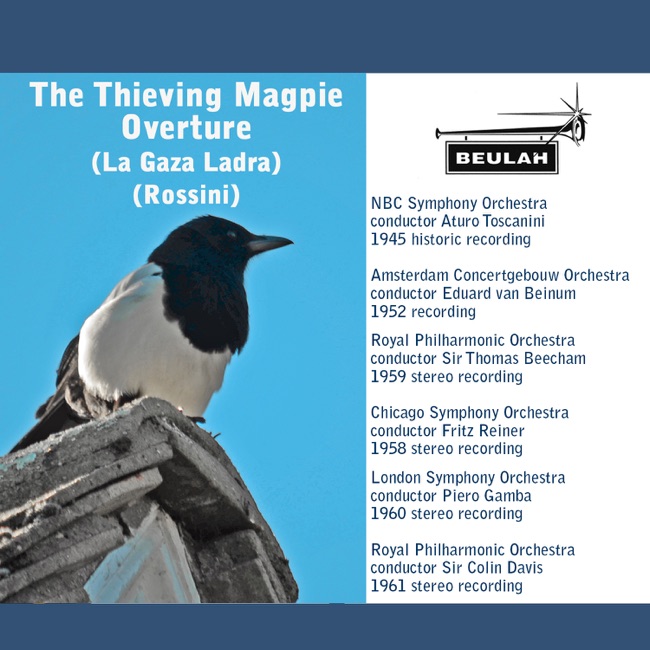 March 13, 2018
 -
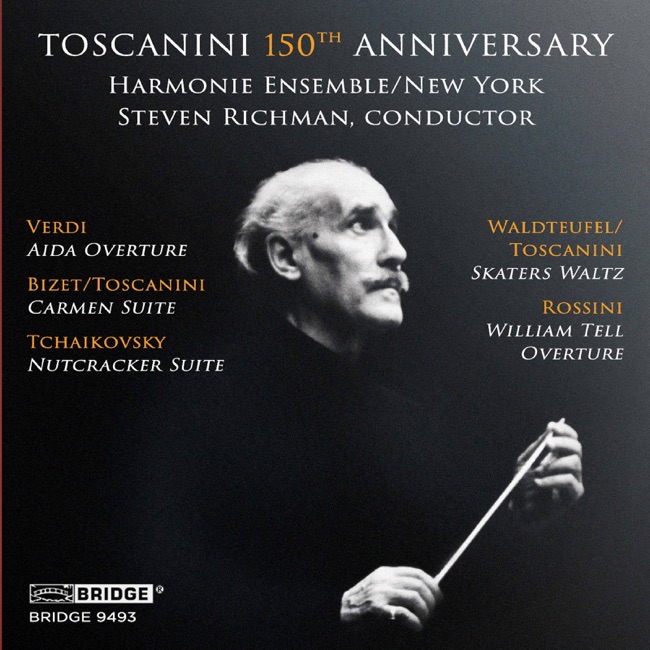
-
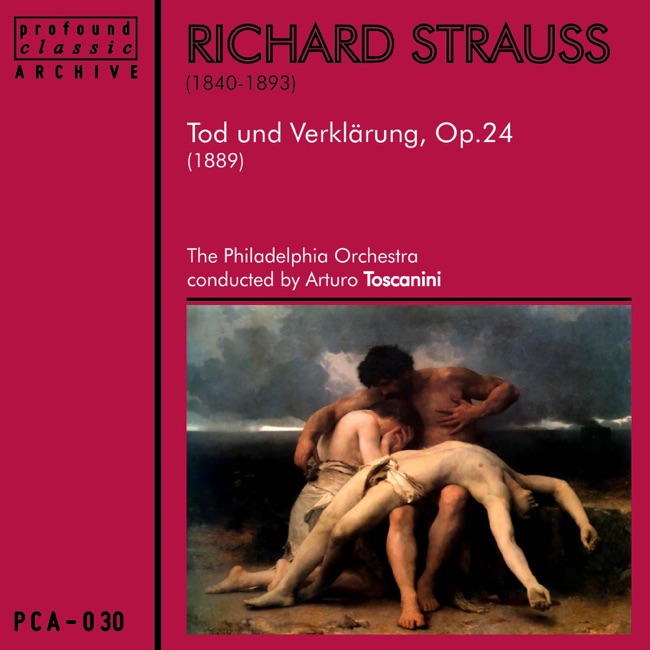 September 9, 2015
 -
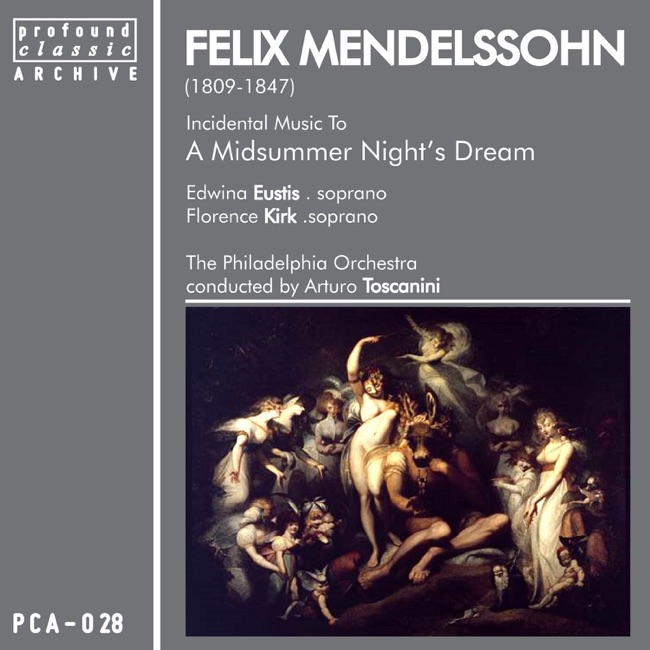 September 9, 2015
 -
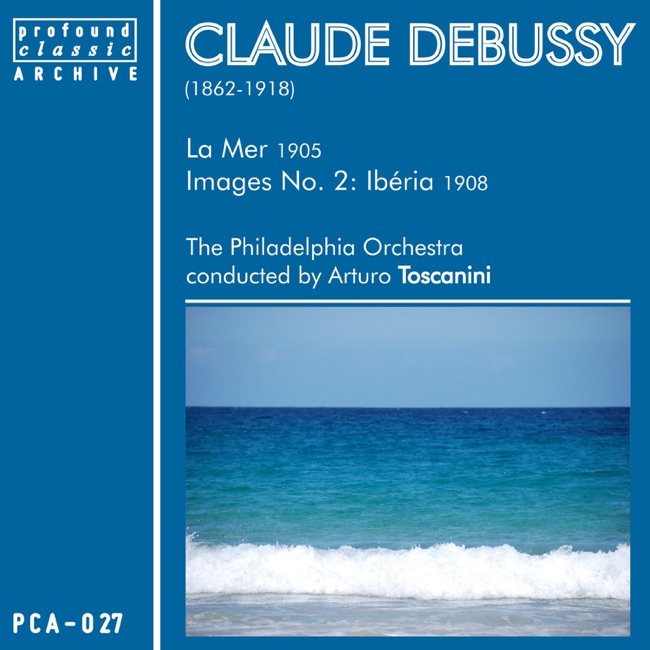 September 9, 2015
Symphony
-
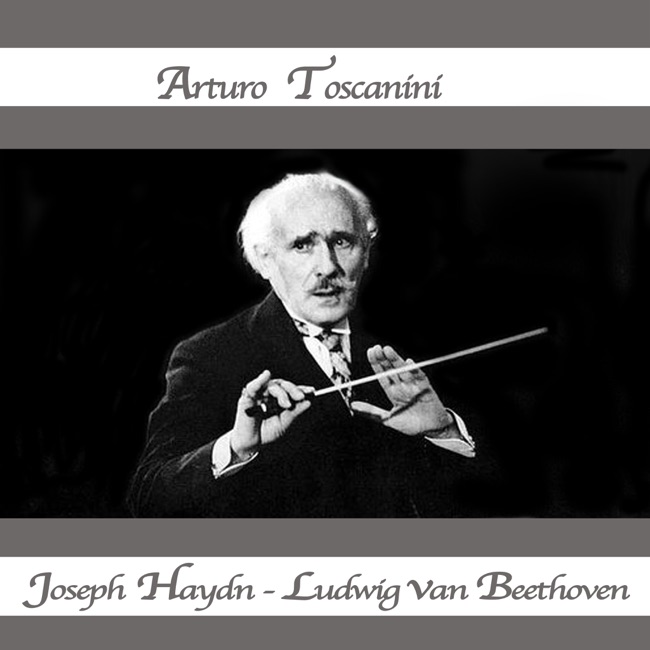 March 30, 2022
 -
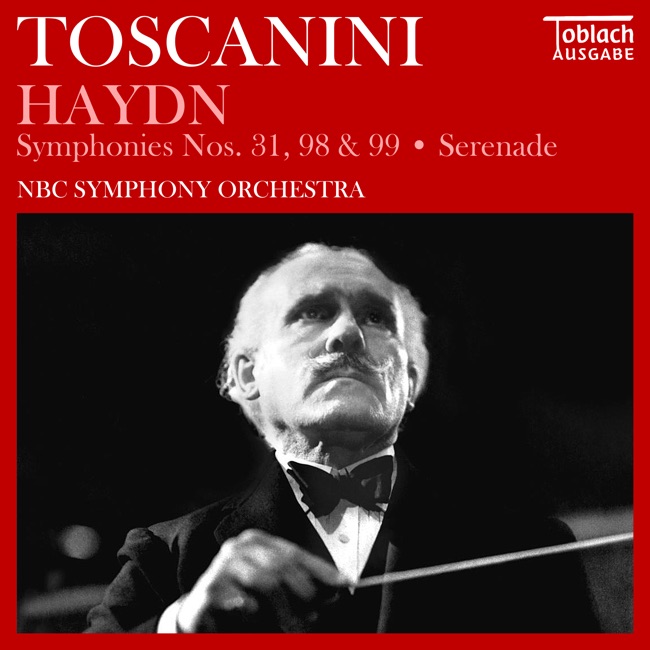 March 18, 2022
 -
 February 5, 2022
 -
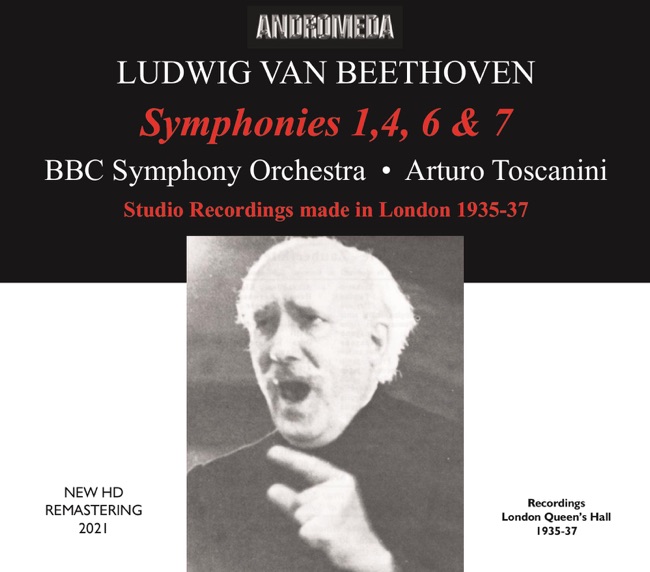 October 1, 2021
 -
 August 15, 2020
 -
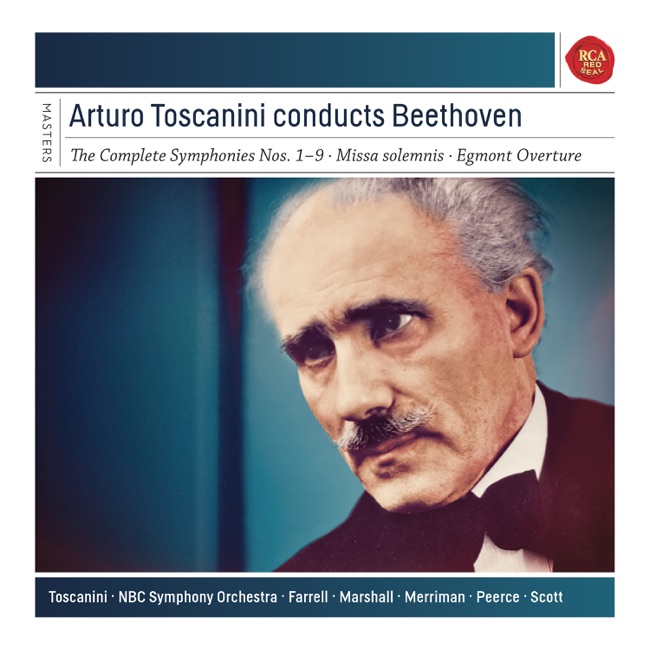 November 15, 2019
Opera
-
 December 16, 2022
 -
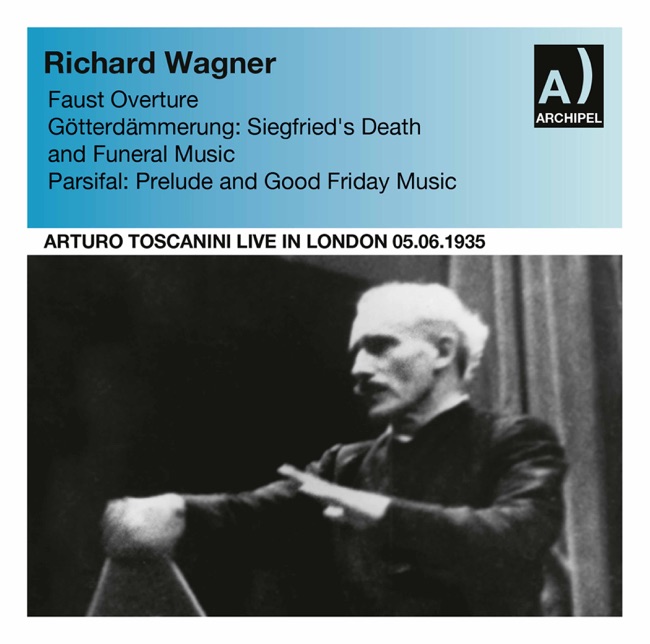 September 24, 2021
 -
-
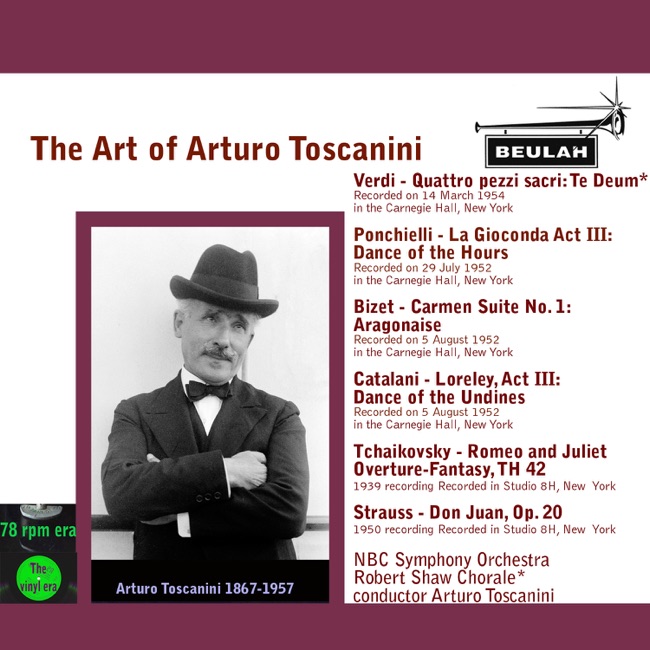 June 30, 2017
 -
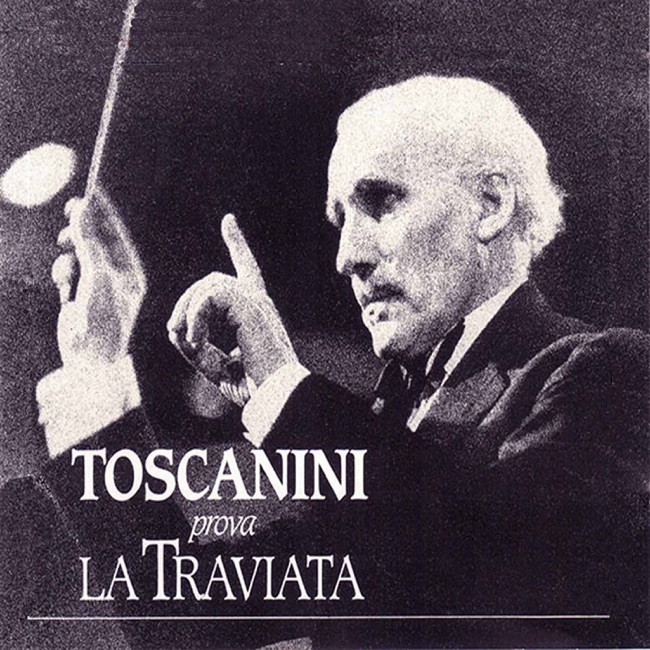 January 1, 2017
 -
 July 29, 2016
Concerto
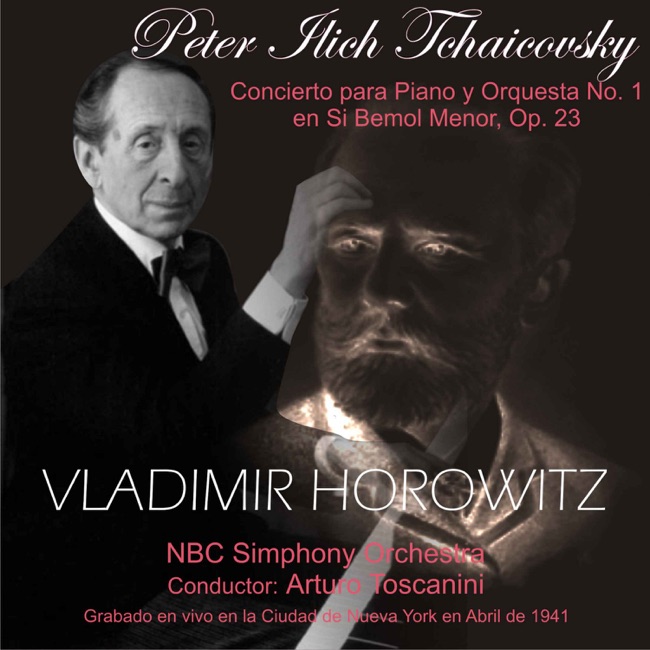
Artist Info
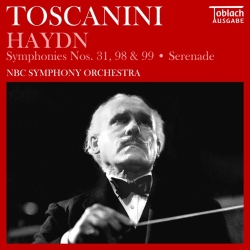
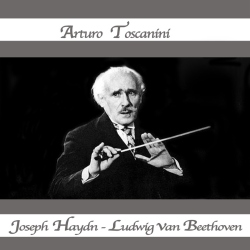
Role:Composer Conductor PerformerCountry: ItalyBirth:March 25, 1867 in Parma, ItalyDeath:January 16, 1957 in New York City, NYPeriod:ContemporaryGenre:OperaOrchestralSymphonyArturo Toscanini was a renowned Italian conductor who was born on March 25, 1867, in Parma, Italy. He was the eldest of three children born to a tailor, and his mother was a singer. Toscanini's father wanted him to become a lawyer, but his love for music was too strong to ignore. He began studying the cello at the age of nine and later switched to the violin. Toscanini's musical talent was evident from a young age, and he quickly rose through the ranks of the local orchestra. In 1886, he was appointed as the principal cellist of the Rio de Janeiro Opera House, where he also conducted his first opera, Aida. Toscanini's conducting skills were so impressive that he was soon appointed as the principal conductor of the La Scala opera house in Milan. Toscanini's tenure at La Scala was marked by several notable performances, including the premiere of Puccini's La Bohème in 1896. He also conducted the premiere of Verdi's Falstaff in 1893, which was a huge success. Toscanini's reputation as a conductor continued to grow, and he was soon invited to conduct at other major opera houses in Europe, including the Royal Opera House in London and the Metropolitan Opera in New York. In 1908, Toscanini was appointed as the principal conductor of the New York Philharmonic, a position he held for 11 years. During his tenure, he introduced many new works to American audiences, including Mahler's Symphony No. 8 and Stravinsky's The Rite of Spring. Toscanini's performances with the New York Philharmonic were widely acclaimed, and he became known for his precision and attention to detail. In 1926, Toscanini was appointed as the principal conductor of the NBC Symphony Orchestra, a position he held until 1954. During his time with the NBC Symphony Orchestra, Toscanini conducted many notable performances, including the premiere of Samuel Barber's Adagio for Strings in 1938. He also conducted several live radio broadcasts, which were heard by millions of people around the world. Toscanini's career was not without controversy, however. He was known for his strong opinions and his willingness to speak out against fascism and other political ideologies. In 1931, he refused to conduct in Italy after the fascist government came to power, and he later refused to perform in Germany during the Nazi regime. Despite his outspokenness, Toscanini was widely respected and admired by his peers. He received many awards and honors throughout his career, including the Presidential Medal of Freedom in 1952. He was also the first conductor to be featured on the cover of Time magazine, in 1936. Toscanini's legacy as a conductor and musician continues to this day. His recordings are still widely listened to and admired, and his influence on the world of classical music is undeniable. He died on January 16, 1957, at the age of 89, but his music lives on.More....
Recent Artist Music
4
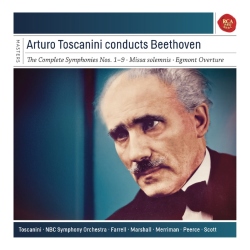
9:5
5

5:25
7

4:44
8
9:57
15

7:35
Recommend Playlist



Related Artists
Copyright Ⓒ 2013 Davinci Finger. All rights reseved
Service Terms & Policy