


Ottorino Respighi
Released Album
Orchestral
-
 September 17, 2024
 -
 June 14, 2024
 -
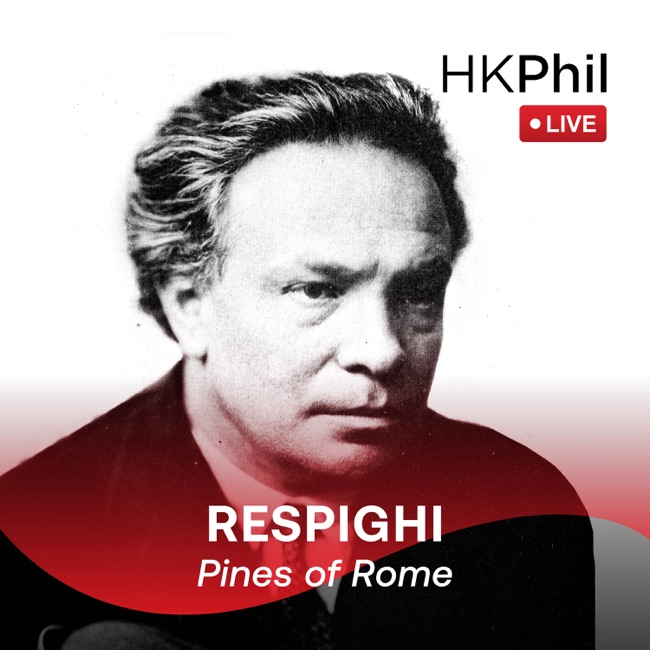 May 31, 2024
 -
-
 March 8, 2024
 -
Vocal
-
 November 8, 2023
 -
 June 9, 2023
 -
-
 April 24, 2023
 -
-
 February 3, 2023
Chamber
-
 October 6, 2023
 -
 October 6, 2023
 -
 July 17, 2023
 -
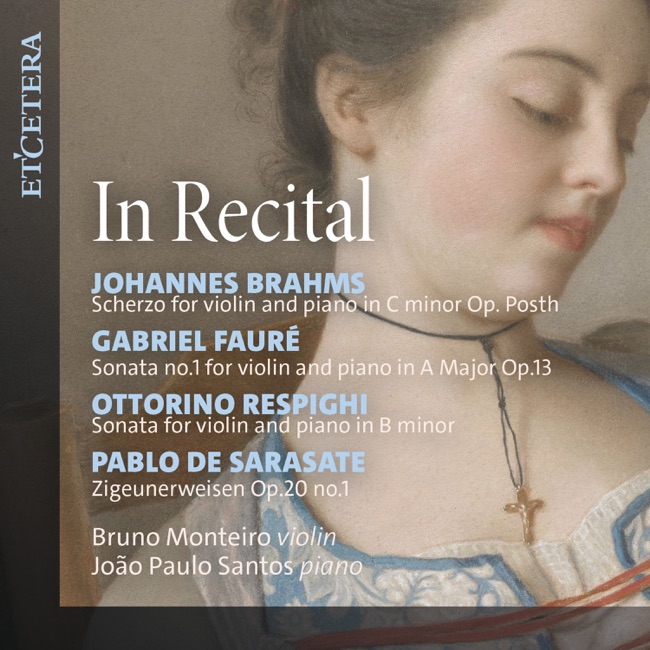 July 14, 2023
 -
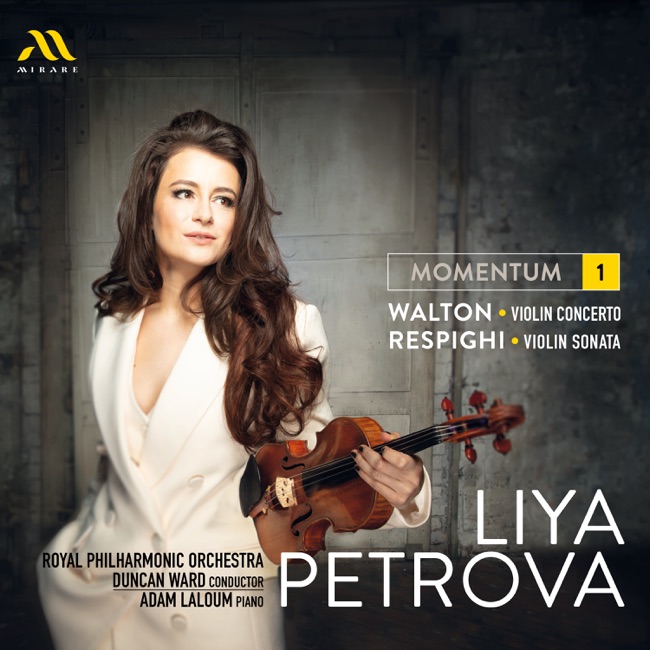 May 19, 2023
 -
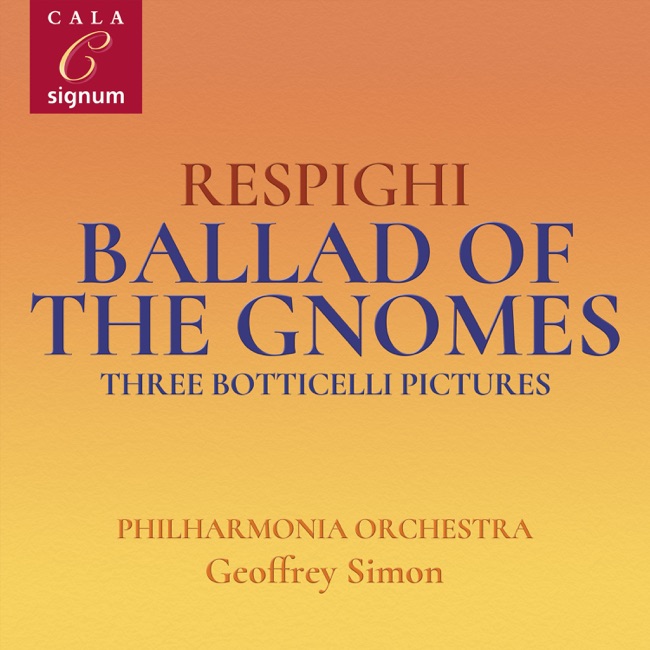 March 10, 2023
Keyboard
-
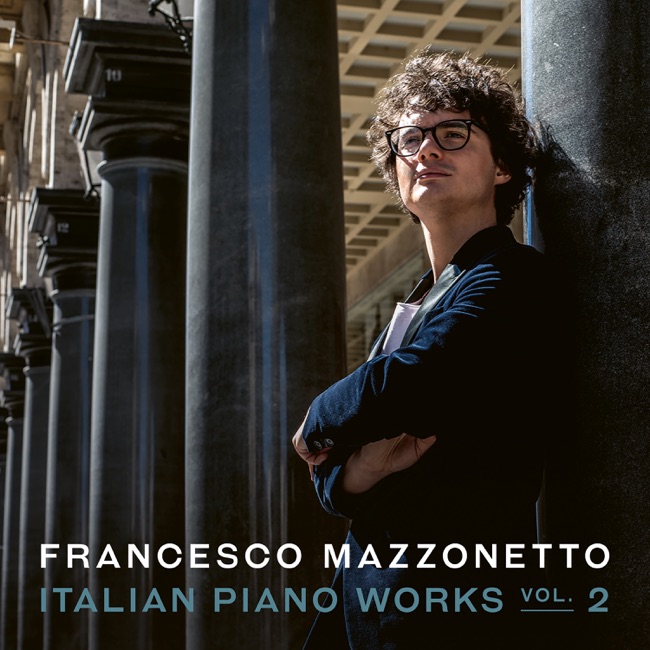 April 26, 2024
 -
 December 6, 2023
 -
 October 20, 2023
 -
 May 26, 2023
 -
 September 13, 2022
 -
 August 26, 2022
Artist Info
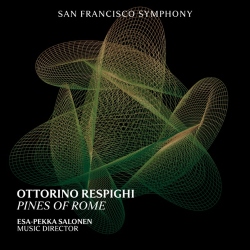
Role:ComposerCountry: ItalyBirth:July 9, 1879 in Bologna, ItalyDeath:April 18, 1936 in Rome, ItalyPeriod:RomanticContemporaryModernGenre:OrchestralVocalOttorino Respighi was an Italian composer and musicologist who was born on July 9, 1879, in Bologna, Italy. He was the son of a pianist and music teacher, and he began studying music at a young age. Respighi showed a natural talent for music, and he quickly became proficient in playing the piano and violin. Respighi's early musical education was focused on the works of Italian composers such as Verdi and Rossini. However, he was also exposed to the music of Wagner and Strauss, which had a significant impact on his later compositions. Respighi studied at the Liceo Musicale in Bologna, where he was taught by the composer Giuseppe Martucci. In 1900, Respighi moved to Rome to study composition with the composer and conductor Luigi Torchi. He also studied with the composer and musicologist Nikolai Rimsky-Korsakov in St. Petersburg, Russia. Rimsky-Korsakov's influence can be heard in Respighi's use of orchestration and his interest in folk music. Respighi's early compositions were influenced by the Italian Renaissance and Baroque periods. His first major work, the Suite in E Major for Strings and Organ, was composed in 1905 and was based on the music of the Italian Baroque composer Giovanni Battista Pergolesi. Respighi's interest in the music of the past continued throughout his career, and he later composed works based on the music of Monteverdi and Vivaldi. In 1913, Respighi composed his most famous work, the symphonic poem "The Fountains of Rome." The piece is a musical depiction of four fountains in Rome, and it showcases Respighi's skill in orchestration and his ability to create vivid musical imagery. "The Fountains of Rome" was an immediate success and established Respighi as one of the leading composers of his time. Respighi continued to compose throughout his career, and his works were often inspired by Italian history and culture. In 1924, he composed "The Pines of Rome," another symphonic poem that depicts the four seasons in Rome. The piece is notable for its use of offstage brass and its depiction of a nightingale singing in a park. In addition to his compositions, Respighi was also a respected musicologist. He was particularly interested in the music of the Italian Baroque period and published several books on the subject. His research into the music of the past influenced his own compositions, and he often incorporated elements of early music into his works. Respighi died on April 18, 1936, in Rome. He left behind a legacy of innovative and imaginative compositions that continue to be performed and admired today. His works are notable for their use of orchestration, their vivid musical imagery, and their celebration of Italian culture and history.More....
Recent Artist Music
2
The Whimsical Shop
1. Overture. Tempo di Marcia - Allegretto - Meno mosso - M챗me mouvement - Vivo -
6:41

5
4:20

7

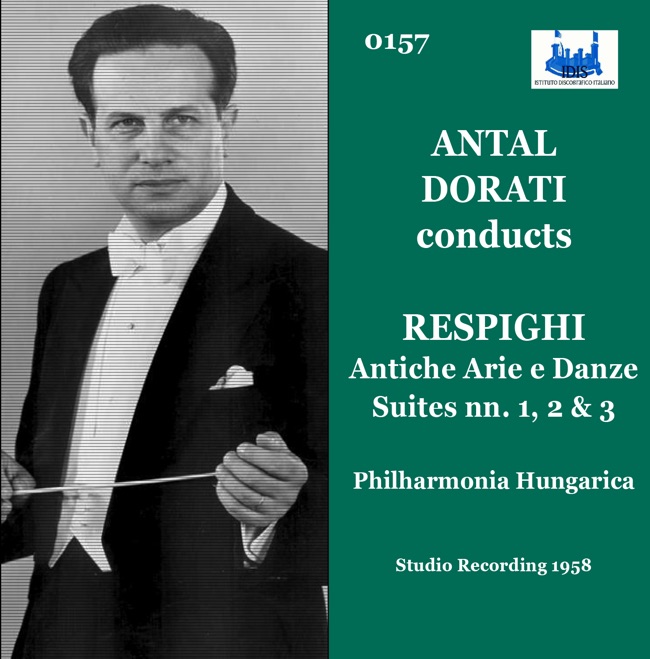
Ancient Airs and Dances, Set 1 (4) for orchestra, P. 109
I. Balletto Detto 'Il Conte Orlando'
2:41


11
21:26
13
6:52
15
3:37
Works Highlight
Recommend Playlist






















Related Artists
Copyright Ⓒ 2013 Davinci Finger. All rights reseved
Service Terms & Policy