


Sergiu Celibidache
Released Album
Symphony
-
 September 6, 2024
 -
 August 30, 2024
 -
-
-
 August 25, 2023
 -
Orchestral
-
 January 19, 2024
 -
 August 25, 2023
 -
-
-
 November 30, 2018
 -
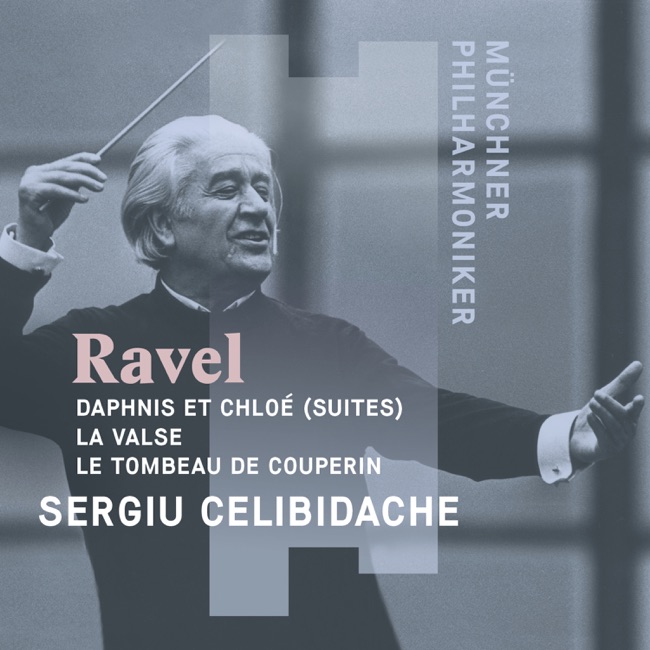 September 14, 2018
Concerto
-
 October 14, 2014
 -
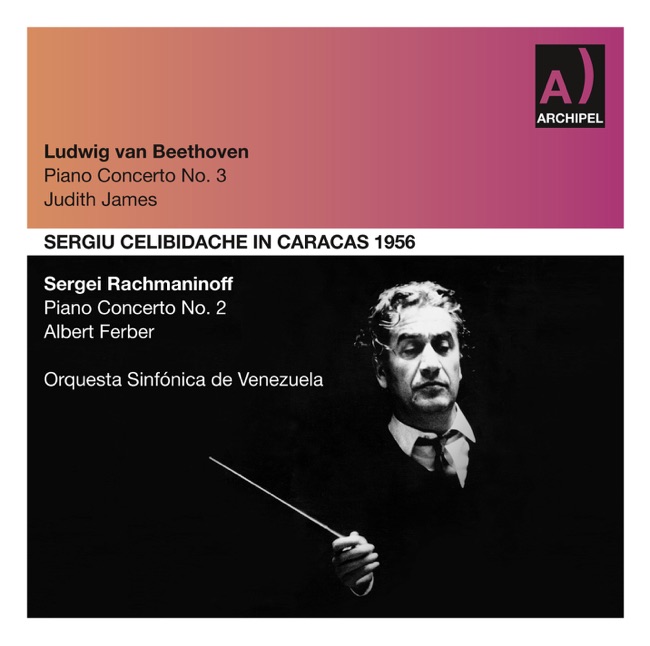 January 28, 2014
 -
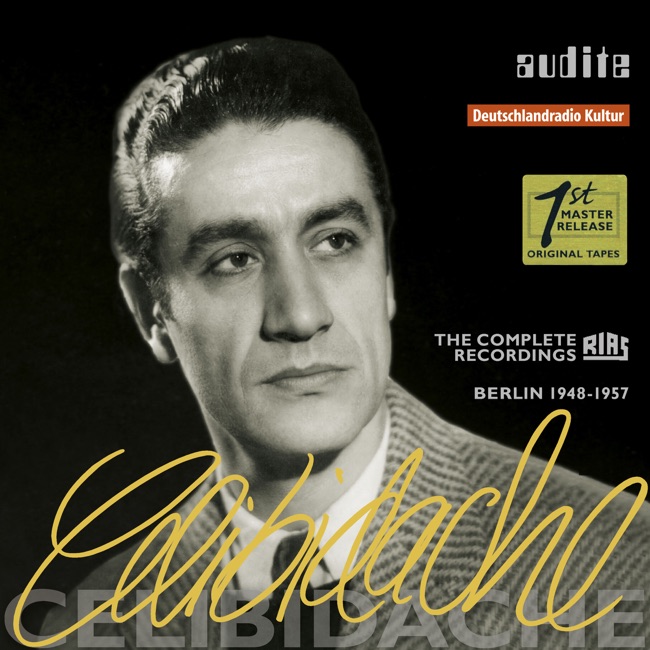 May 31, 2011
 -
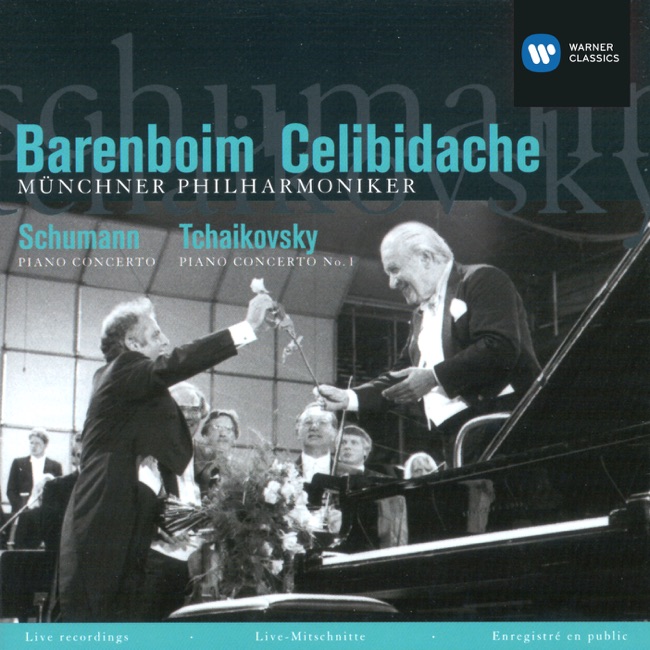 November 11, 2002
Choral
-
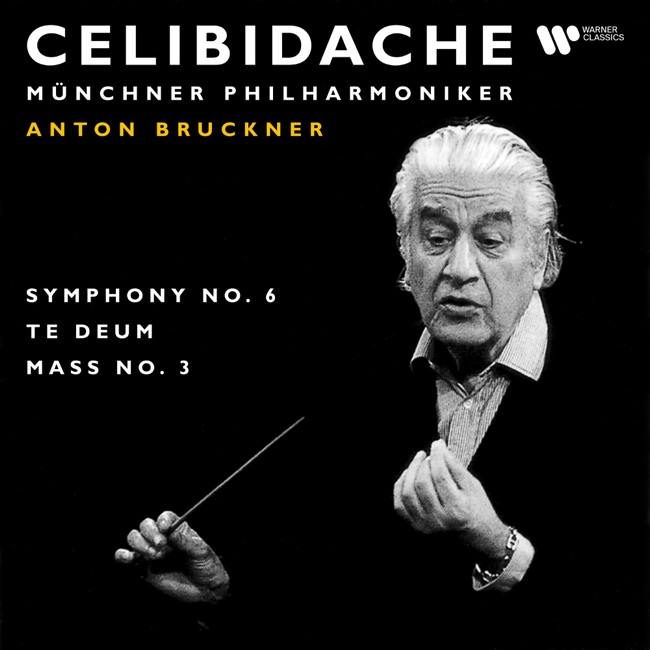 July 12, 2024
 -
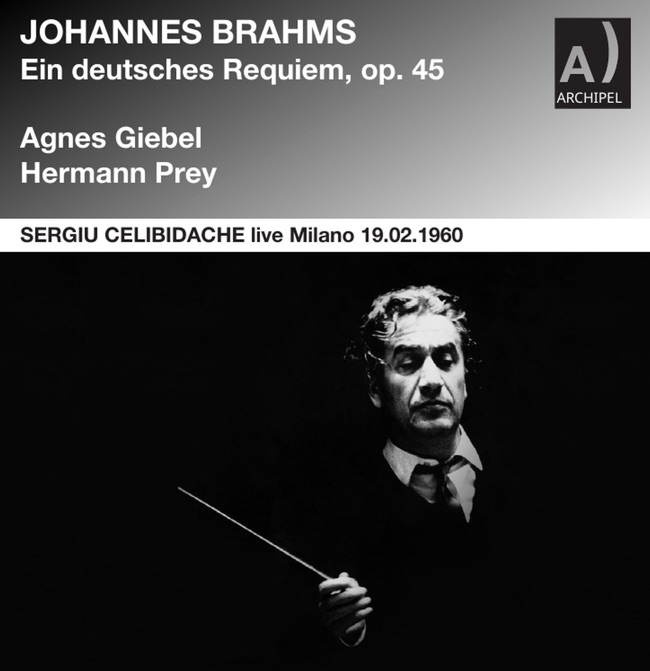 November 3, 2023
 -
 March 5, 2015
 -
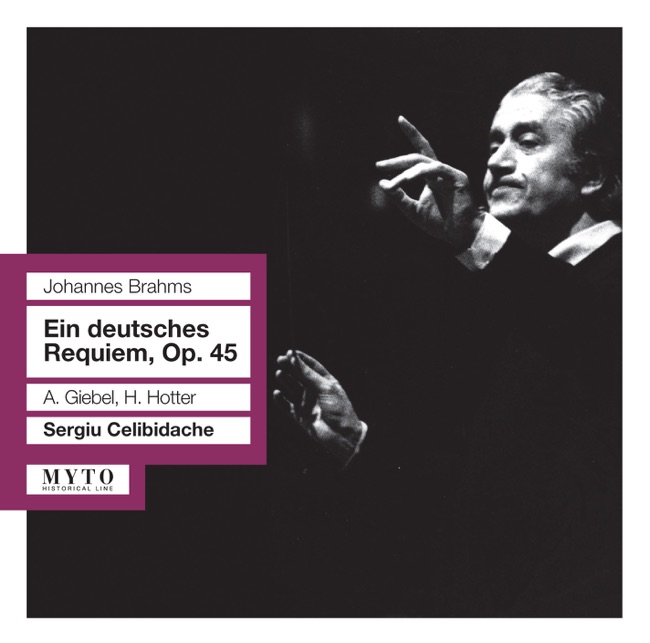 February 1, 2015
 -
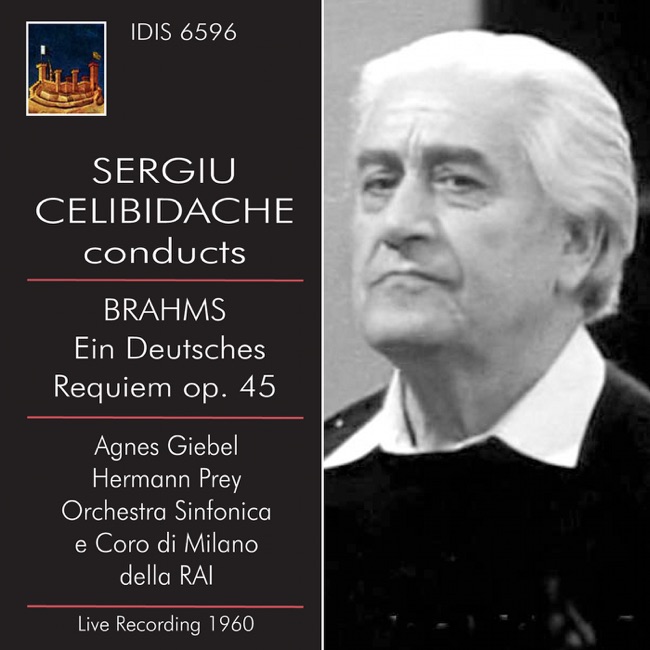
-
 July 20, 2009
Artist Info
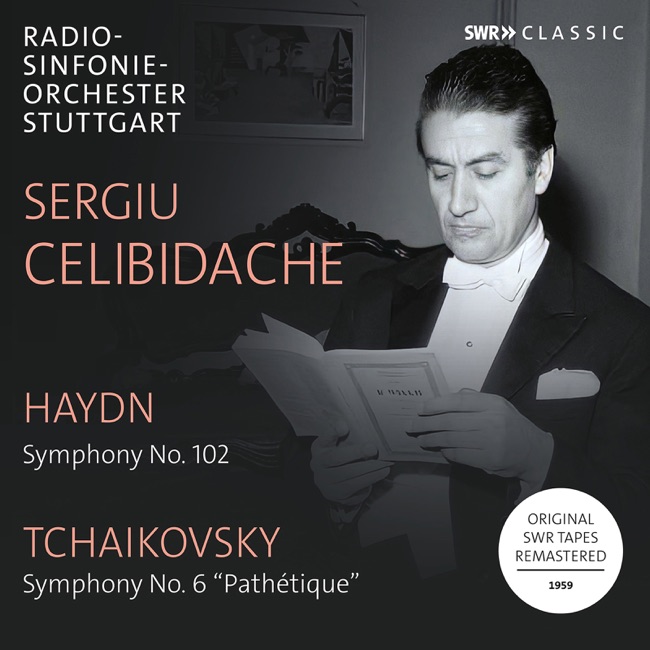
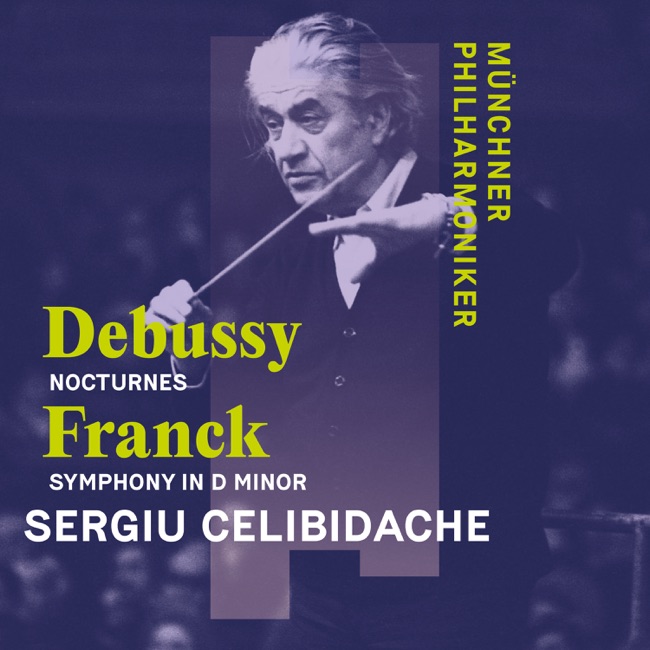
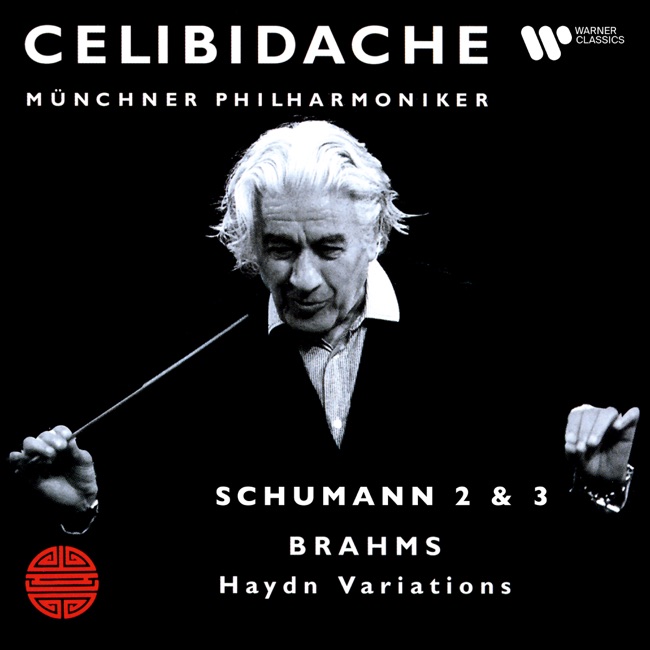
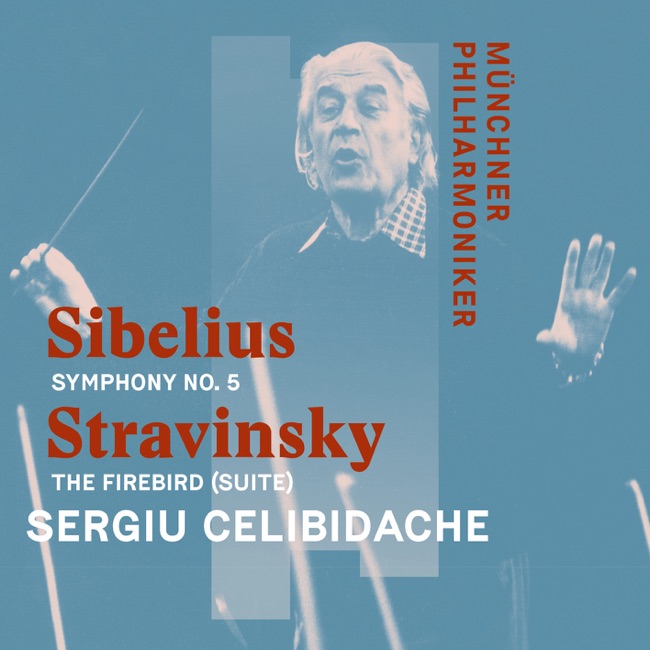
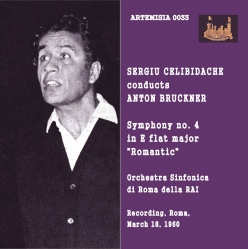
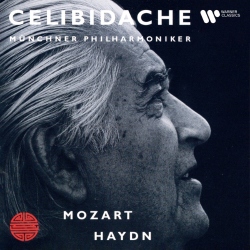
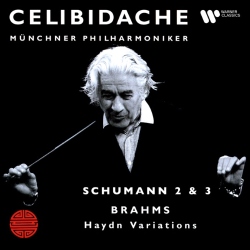
Role:Composer Conductor PerformerCountry: RomaniaBirth:June 28, 1912 in Roman, RomaniaDeath:August 14, 1996 in Paris, FranceGenre:OrchestralSymphonySergiu Celibidache was a Romanian conductor and composer who was born on June 28, 1912, in Roman, Romania. He was the son of a Greek Orthodox priest and a Romanian mother. Celibidache showed an early interest in music and began playing the piano at the age of five. He later studied at the Bucharest Conservatory, where he focused on composition and conducting. After completing his studies, Celibidache began his career as a conductor in Romania, where he worked with the Bucharest Philharmonic Orchestra. He quickly gained a reputation for his innovative and passionate approach to conducting, and he soon became one of the most sought-after conductors in Europe. In 1945, Celibidache was appointed the principal conductor of the Berlin Philharmonic Orchestra, a position he held until 1952. During his time with the orchestra, he established himself as one of the leading conductors of his generation, and he was widely praised for his interpretations of the works of Beethoven, Brahms, and Wagner. In 1952, Celibidache left the Berlin Philharmonic to focus on his career as a freelance conductor. He worked with a number of orchestras throughout Europe, including the Vienna Philharmonic, the London Symphony Orchestra, and the Munich Philharmonic. He also made several recordings during this time, including a highly acclaimed recording of Bruckner's Symphony No. 7 with the Stuttgart Radio Symphony Orchestra. In 1979, Celibidache was appointed the principal conductor of the Munich Philharmonic Orchestra, a position he held until 1996. During his time with the orchestra, he continued to push the boundaries of classical music, and he was known for his intense rehearsals and his insistence on performing works in their original tempos and keys. Celibidache was also a prolific composer, and he wrote a number of works throughout his career. His compositions were heavily influenced by his interest in Eastern philosophy and his belief in the power of music to heal and transform. Throughout his career, Celibidache received numerous awards and honors for his contributions to classical music. In 1992, he was awarded the Order of Merit of the Federal Republic of Germany, and in 1993, he was awarded the Bavarian Order of Merit. He was also awarded honorary doctorates from several universities, including the University of Munich and the University of Bucharest. Despite his many accomplishments, Celibidache was known for his reclusive nature and his reluctance to engage with the media. He rarely gave interviews and refused to allow his performances to be recorded or broadcast on television or radio. Sergiu Celibidache died on August 14, 1996, in La Neuville-sur-Essonne, France, at the age of 84. He left behind a legacy as one of the most innovative and influential conductors of the 20th century, and his contributions to classical music continue to be celebrated and studied by musicians and music lovers around the world.More....
Recent Artist Music

11
22:9

15
2:24













Related Artists
Copyright Ⓒ 2013 Davinci Finger. All rights reseved
Service Terms & Policy