


Paul Hindemith
Released Album
Chamber
-
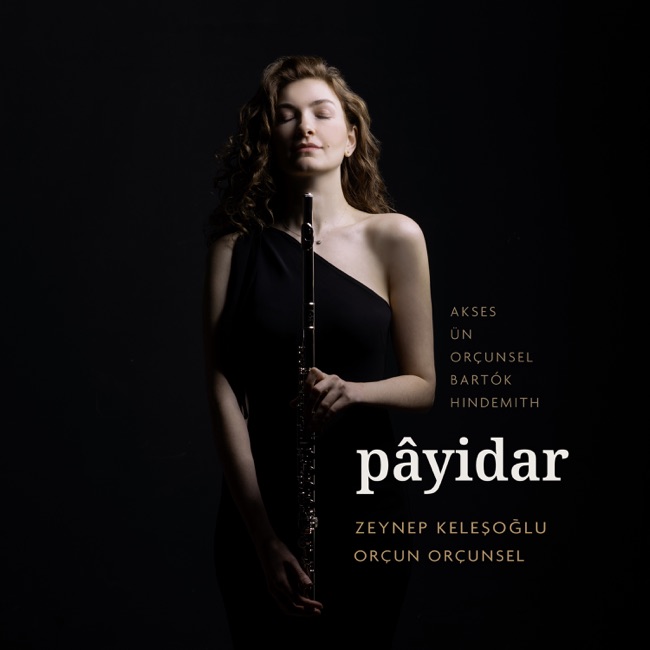 August 9, 2024
 -
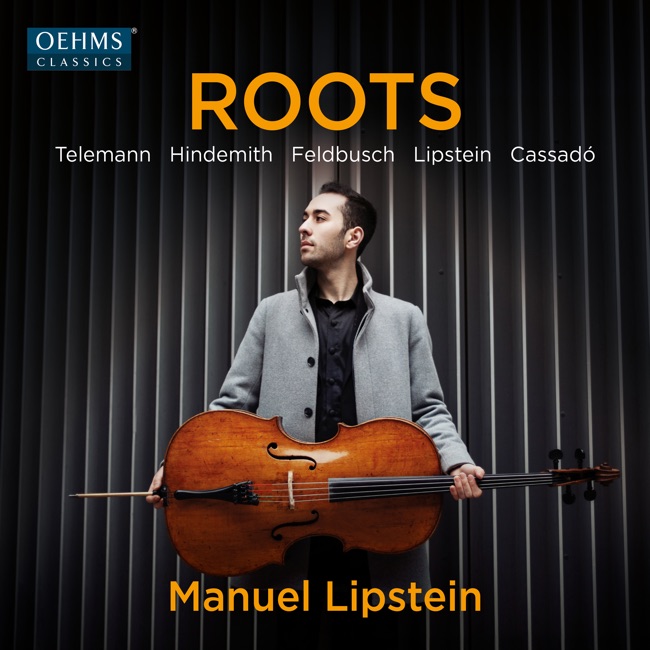 July 19, 2024
 -
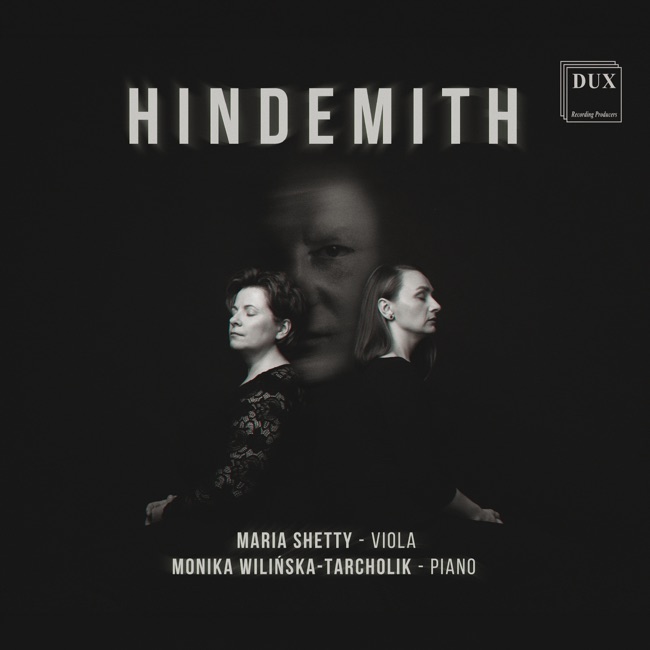 April 26, 2024
 -
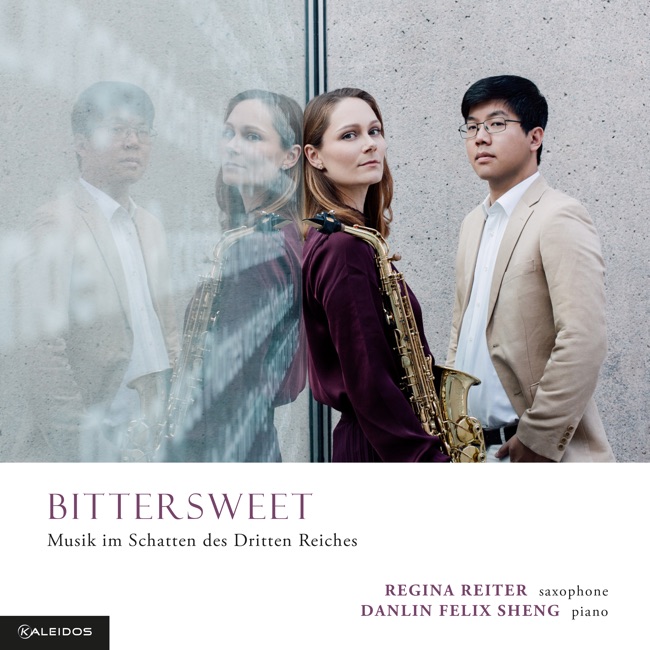 April 5, 2024
 -
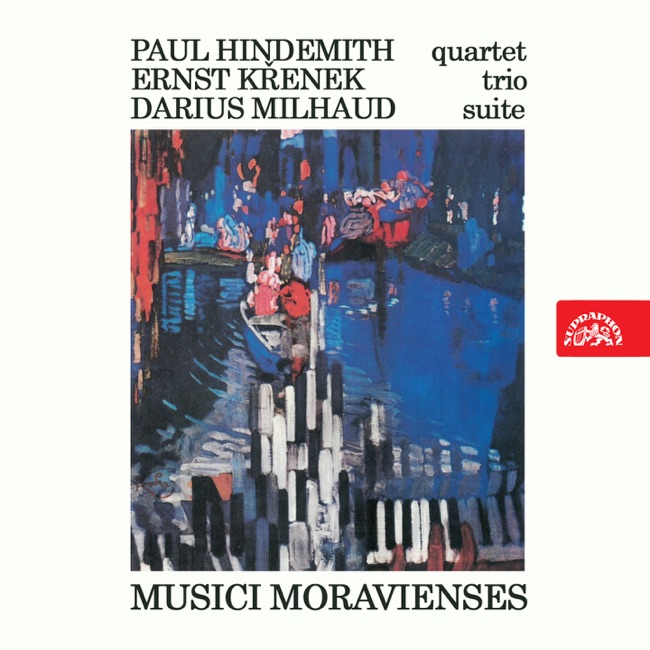 January 19, 2024
 -
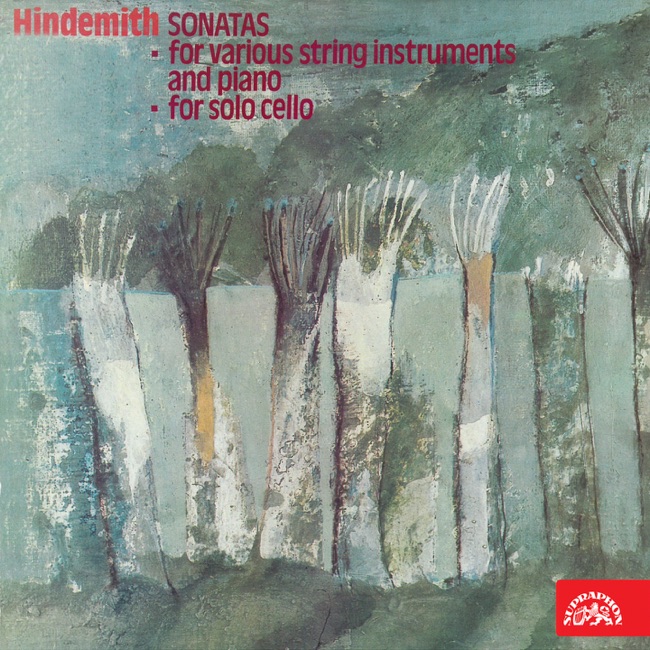
Concerto
-
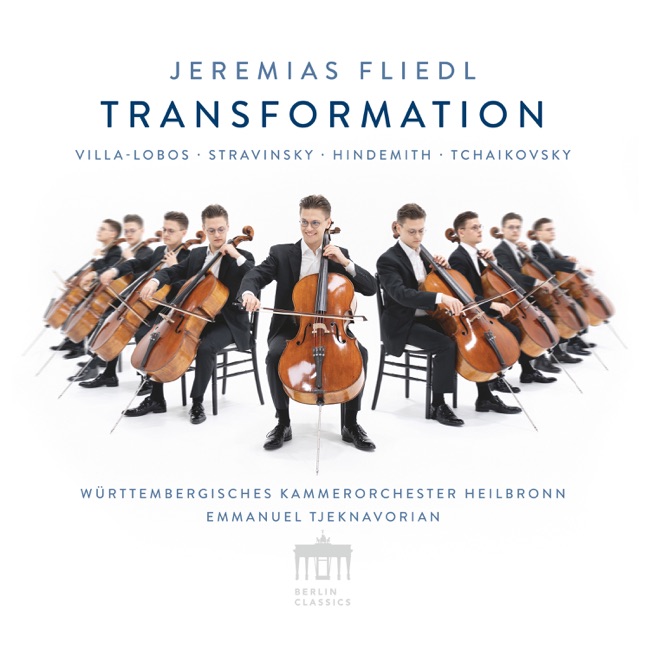 February 16, 2024
 -
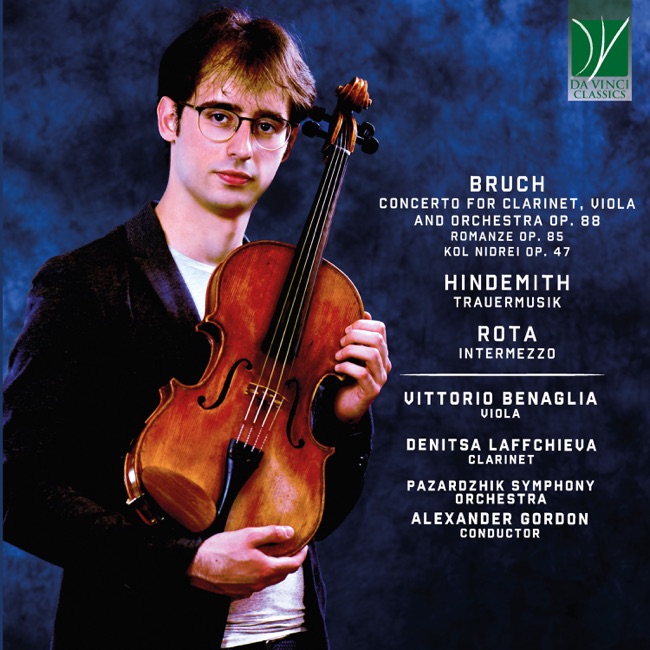
-
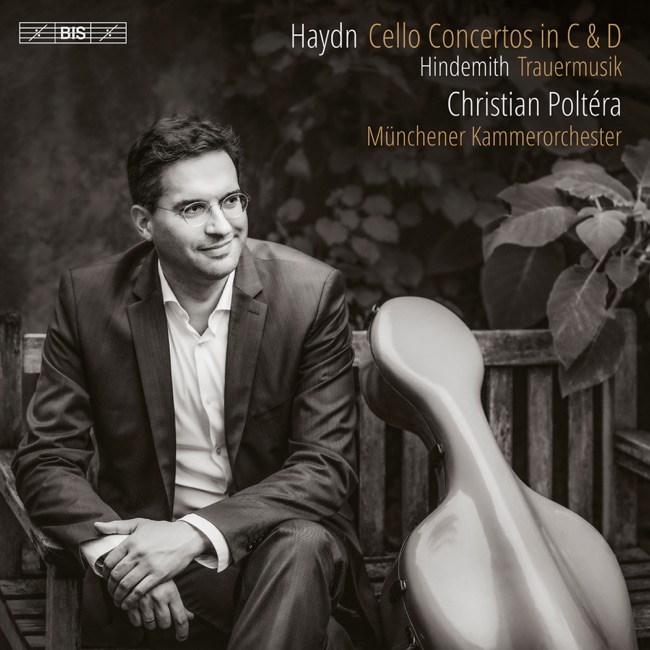 August 5, 2022
 -
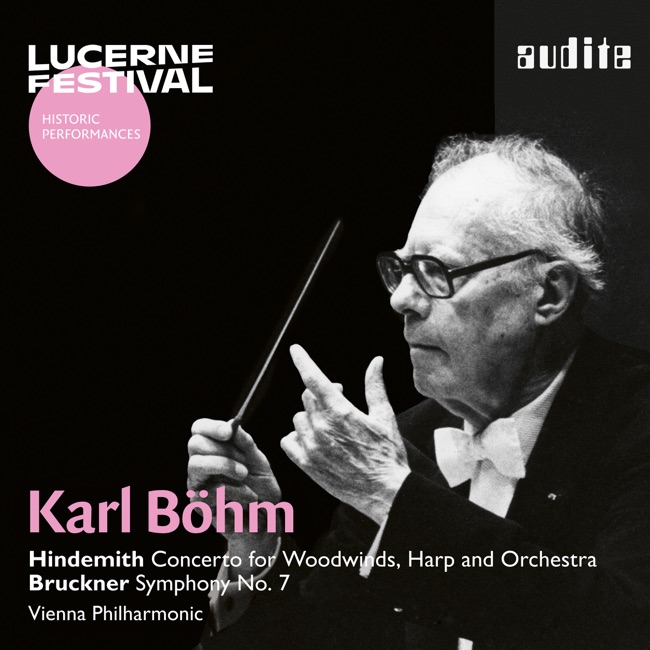
-
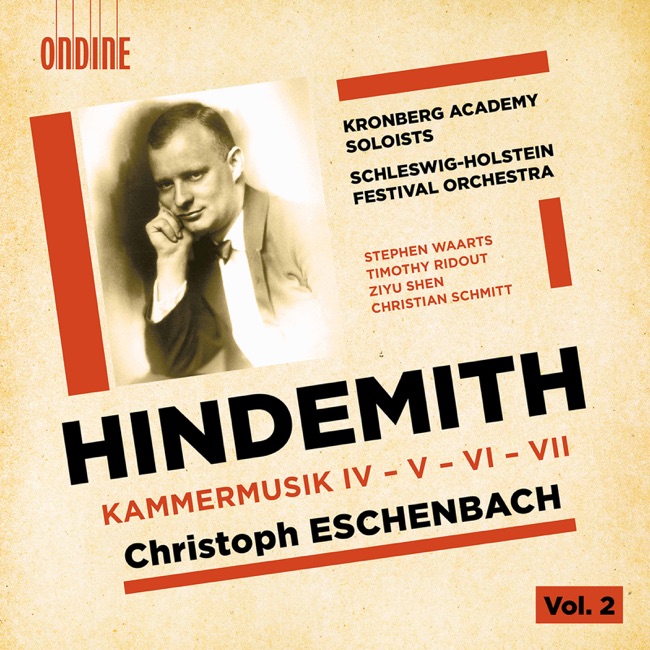 September 4, 2020
 -
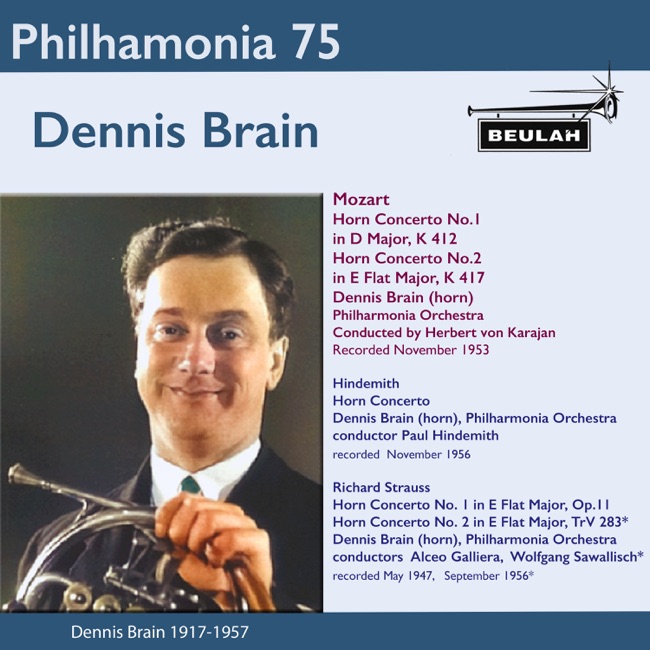 May 29, 2020
Orchestral
-
 September 17, 2021
 -
 November 6, 2020
 -
 February 7, 2020
 -
Keyboard
-
 October 10, 2024
 -
-
 January 31, 2024
 -
 September 1, 2023
 -
 July 28, 2023
 -
 March 31, 2023
Artist Info
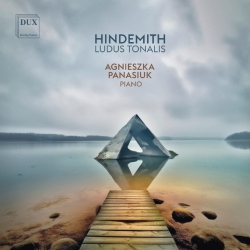
Role:Composer ConductorCountry: GermanyBirth:November 16, 1895 in Hanau, GermanyDeath:December 28, 1963 in Frankfurt, GermanyPeriod:ContemporaryModernGenre:ChamberConcertoKeyboardPaul Hindemith was a German composer, violist, and conductor who was born on November 16, 1895, in Hanau, Germany. He was the son of a painter and a housewife, and he grew up in a family that valued music and the arts. Hindemith began playing the violin at a young age, and he later switched to the viola, which became his primary instrument. Hindemith's musical education began at the Hoch Conservatory in Frankfurt, where he studied violin and composition. He later studied at the Berlin Conservatory, where he continued his studies in composition and also studied conducting. Hindemith's early compositions were influenced by the music of Richard Strauss and Max Reger, but he soon developed his own unique style that combined elements of traditional tonality with more modernist techniques. In 1919, Hindemith became the leader of the Frankfurt Opera Orchestra, and he also began to gain recognition as a composer. His early works, such as the Kammermusik series and the opera "Cardillac," were well-received by audiences and critics alike. Hindemith's music was characterized by its complex harmonies, rhythmic vitality, and use of unconventional instruments and techniques. In the 1920s, Hindemith became associated with the Neue Sachlichkeit (New Objectivity) movement in German art, which emphasized clarity, simplicity, and objectivity. Hindemith's music reflected these values, and he became known for his use of clear, concise musical structures and his rejection of the more emotional and expressive styles of the Romantic era. Hindemith's most famous work from this period is probably his "Mathis der Maler" symphony, which was inspired by the life and work of the painter Matthias Grünewald. The symphony was originally intended to be the score for an opera about Grünewald, but Hindemith eventually decided to turn it into a standalone work. The symphony is notable for its use of chorales and other elements of church music, as well as its incorporation of themes from Grünewald's paintings. In the 1930s, Hindemith's music became more politically charged, as he began to speak out against the rise of fascism in Germany. He was eventually forced to leave the country in 1938, and he settled in the United States, where he taught at Yale University and became a citizen in 1946. Hindemith's music from this period reflects his experiences as an exile and his concerns about the political situation in Europe. His "Symphonic Metamorphosis of Themes by Carl Maria von Weber" is a lively and colorful work that incorporates elements of jazz and popular music, while his "When Lilacs Last in the Dooryard Bloom'd" is a somber and elegiac work that was written in memory of President Franklin D. Roosevelt. Hindemith continued to compose prolifically throughout the rest of his life, and his later works reflect his ongoing experimentation with new techniques and forms. His "Ludus Tonalis" is a set of 25 pieces for piano that explore the possibilities of tonality, while his "Sonata for Trumpet and Piano" is a virtuosic work that showcases the capabilities of the trumpet. Hindemith died on December 28, 1963, in Frankfurt, Germany, at the age of 68. He left behind a legacy of innovative and influential music that continues to be studied and performed today. His music is characterized by its clarity, precision, and intellectual rigor, as well as its incorporation of diverse musical traditions and techniques.More....
Recent Artist Music
4
2:57
12
2:58
Works Highlight
Recommend Playlist







Related Artists
Copyright Ⓒ 2013 Davinci Finger. All rights reseved
Service Terms & Policy