


Dietrich Fischer-Dieskau
Released Album
Vocal
-
 June 12, 2024
 -
 December 22, 2023
 -
 November 1, 2023
 -
 October 20, 2023
 -
 May 3, 2023
 -
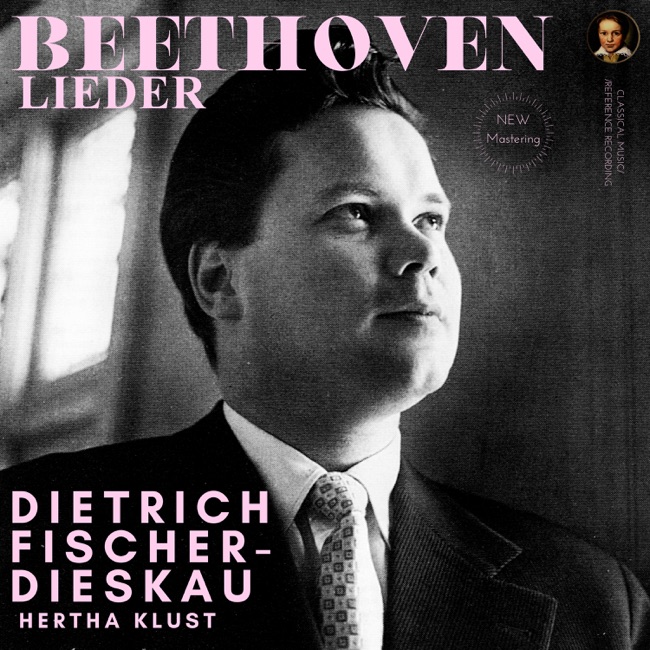 November 24, 2022
Opera
-
 April 19, 2024
 -
 January 7, 2023
 -
 January 11, 2022
 -
 October 26, 2021
 -
 August 20, 2021
 -
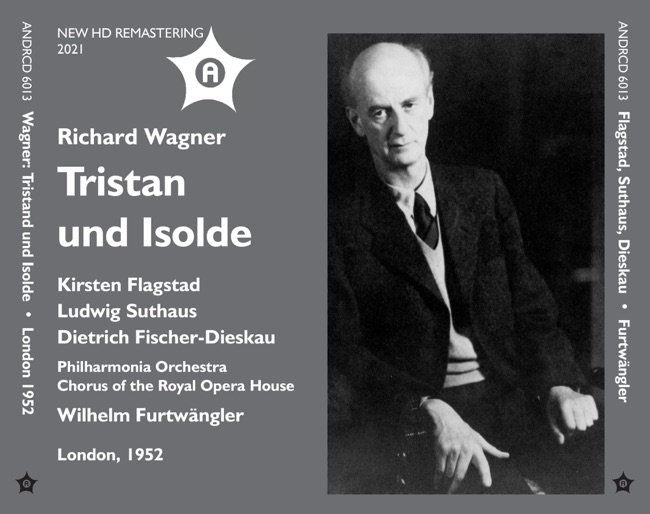 August 20, 2021
Choral
-
 August 30, 2024
 -
 November 24, 2023
 -
-
 March 4, 2023
 -
 July 1, 2022
 -
 February 10, 2022
Symphony
-
 October 13, 2023
 -
 November 1, 2019
 -
 October 5, 2018
 -
-
 October 27, 2014
Artist Info
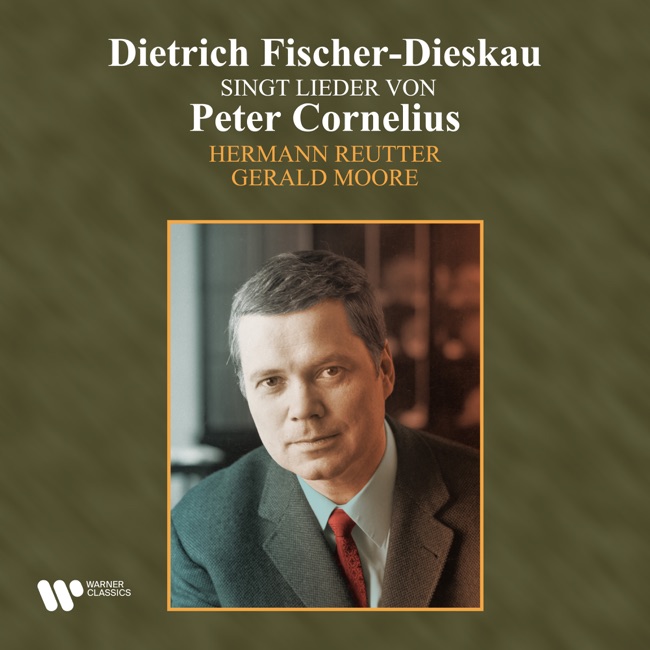
Role:Composer ConductorCountry: GermanyBirth:May 28, 1925 in Berlin, GermanyDeath:May 18, 2012Period:ContemporaryGenre:OperaVocalDietrich Fischer-Dieskau was a German baritone and one of the most renowned classical music artists of the 20th century. He was born on May 28, 1925, in Berlin, Germany, to Albert Fischer, a school principal, and Theodora Fischer, a teacher. His parents were both amateur musicians, and they encouraged their son's interest in music from an early age. Fischer-Dieskau began his musical training as a child, studying piano and singing in the choir of his local church. He later attended the Berlin Conservatory, where he studied voice with Georg Walter and Hermann Weissenborn. During World War II, he served in the German army, but he continued to study music and perform whenever possible. After the war, Fischer-Dieskau resumed his musical career, quickly establishing himself as one of the leading baritones of his generation. He made his professional debut in 1947, singing the role of Posa in Verdi's "Don Carlos" at the Städtische Oper in Berlin. He soon became a regular performer at the Berlin State Opera, where he sang a wide range of roles, from Mozart's Figaro to Wagner's Wolfram. Fischer-Dieskau's international career began in the early 1950s, when he made his debut at the Salzburg Festival, singing the role of Papageno in Mozart's "The Magic Flute." He also began to make recordings, which quickly established him as one of the most versatile and expressive singers of his time. His recordings of Schubert's song cycles, in particular, became legendary, and he was widely regarded as the greatest interpreter of Schubert's music. Throughout his career, Fischer-Dieskau performed with many of the world's leading orchestras and conductors, including Herbert von Karajan, Leonard Bernstein, and Karl Böhm. He also collaborated with many of the greatest pianists of his time, including Gerald Moore, Alfred Brendel, and Daniel Barenboim. Fischer-Dieskau's repertoire was vast, encompassing everything from Bach to Berg. He was particularly renowned for his interpretations of German lieder, or art songs, and he recorded more than 400 lieder cycles during his career. He was also a noted interpreter of opera, and he sang many of the great baritone roles, including Don Giovanni, Count Almaviva, and Wozzeck. In addition to his performing career, Fischer-Dieskau was also a respected teacher and musicologist. He taught at the Berlin Conservatory and the Munich Hochschule für Musik, and he wrote extensively on music, including several books on Schubert's songs. Fischer-Dieskau received numerous awards and honors during his career, including the Order of Merit of the Federal Republic of Germany, the Order of Merit of Berlin, and the Bavarian Maximilian Order for Science and Art. He was also awarded the Ernst von Siemens Music Prize in 1971 and the Herbert von Karajan Music Prize in 1984. Fischer-Dieskau retired from performing in 1992, but he continued to be active in the music world as a teacher and mentor. He died on May 18, 2012, at the age of 86, leaving behind a legacy as one of the greatest singers of the 20th century. His recordings and performances continue to inspire and influence musicians and music lovers around the world.More....
Recent Artist Music
6
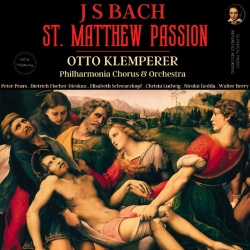
St Matthew Passion, BWV 244
No. 1, Chorus: Kommt, Ihr Töchter Helft Mir Klagen, Chorale: O Lamm Gottes, Unschuldig
11:44

Recommend Playlist








Related Artists
Copyright Ⓒ 2013 Davinci Finger. All rights reseved
Service Terms & Policy