


Othmar Schoeck
Released Album
Vocal
-
 December 23, 2022
 -
 April 22, 2022
 -
 October 8, 2021
 -
 March 19, 2021
 -
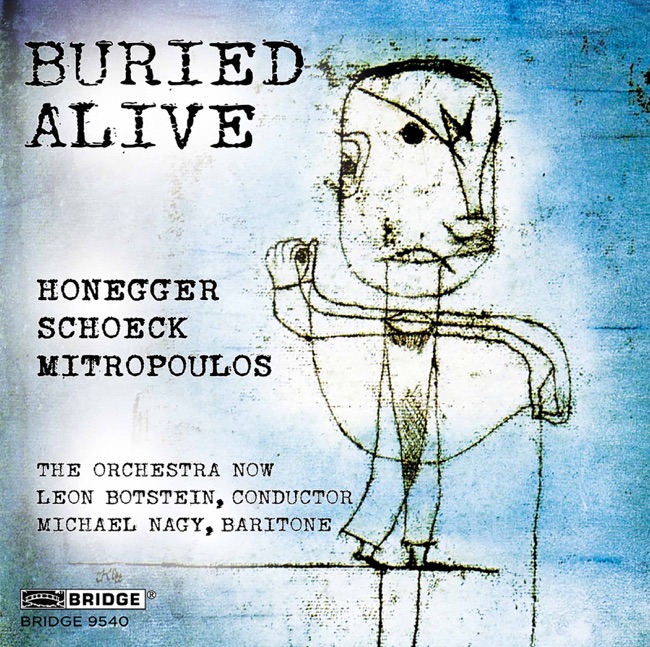 August 21, 2020
 -
 June 28, 2019
Chamber
-
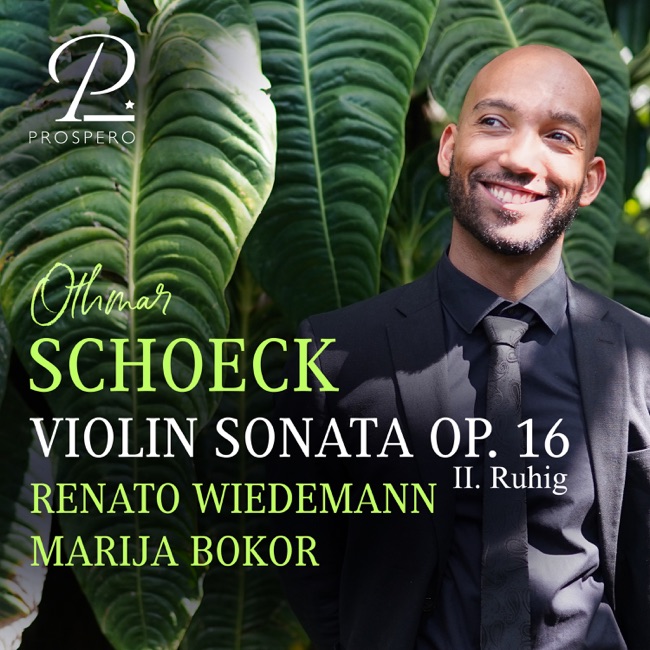 December 22, 2023
 -
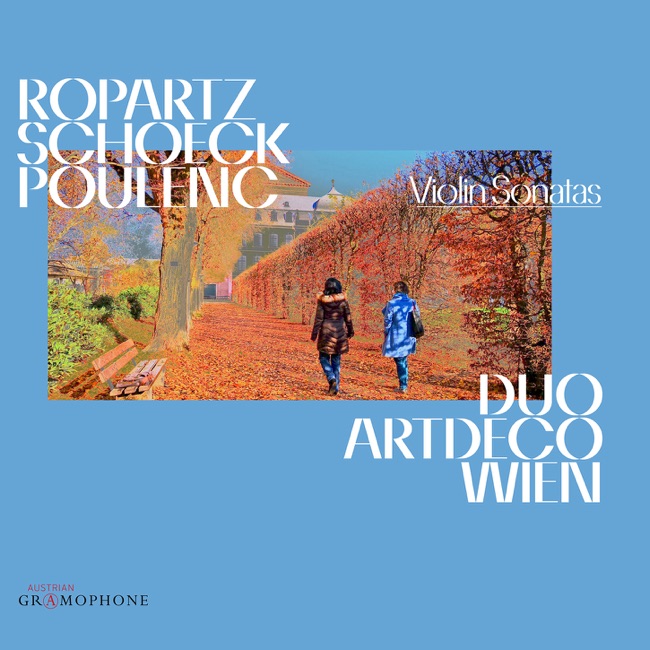 March 6, 2020
 -
 March 2, 2018
 -
 February 2, 2018
 -
 March 25, 2016
 -
Concerto
-
 November 11, 2008
 -
 April 21, 1998
 -
-
 May 25, 1995
 -
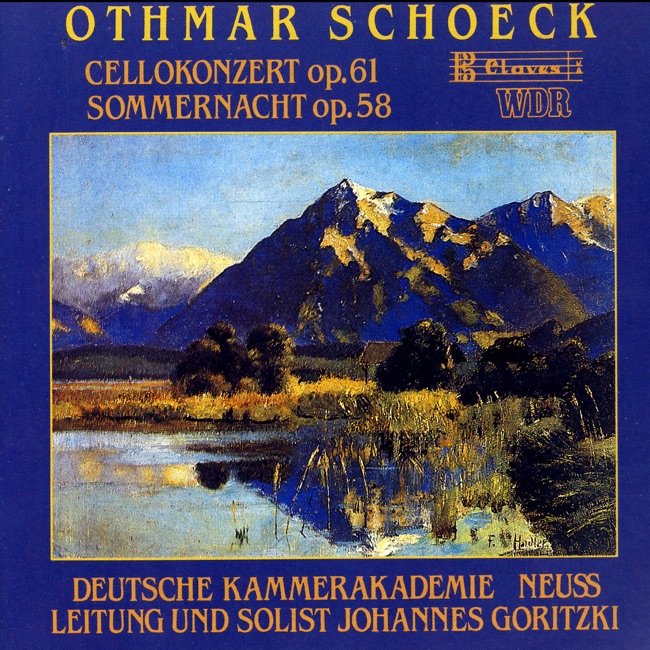 April 5, 1994
 -
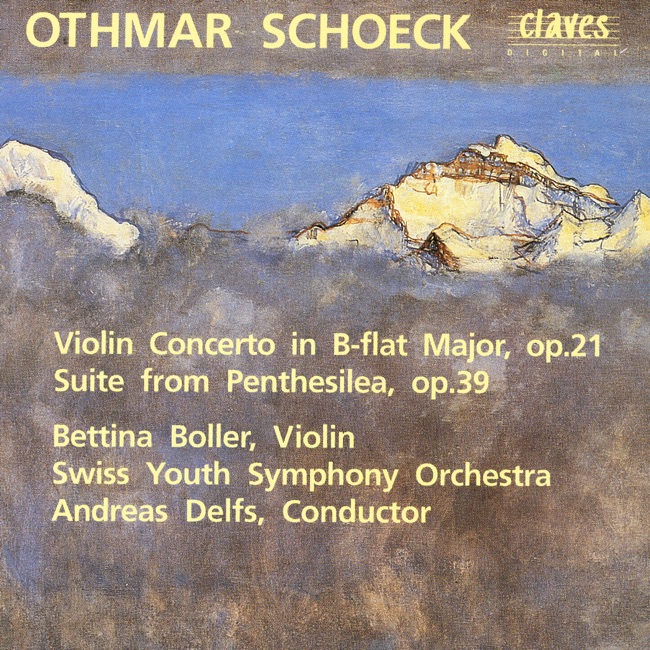
Opera
-
 February 8, 2019
 -
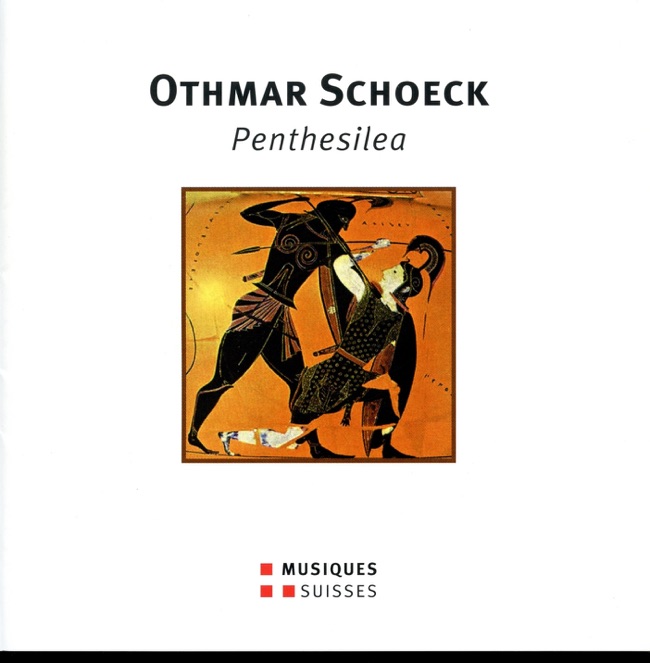 January 1, 2014
 -
 March 6, 1995
Artist Info
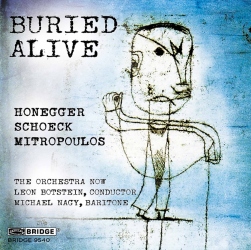
Role:Composer ConductorCountry: SwitzerlandBirth:September 1, 1886 in Brunnen, SwitzerlandDeath:March 8, 1957 in Zürich, SwitzerlandPeriod:ContemporaryModernGenre:VocalOthmar Schoeck was a Swiss composer and conductor who was born on September 1, 1886, in Brunnen, Switzerland. He was the son of a physician and grew up in a family that was musically inclined. His mother was a pianist, and his father played the violin. Schoeck began his musical education at a young age, studying piano and violin with his mother and father. In 1904, Schoeck enrolled at the Zurich Conservatory, where he studied composition with Friedrich Hegar and piano with Robert Freund. He also studied conducting with Volkmar Andreae, who would become a lifelong friend and collaborator. After completing his studies, Schoeck worked as a freelance composer and conductor, performing throughout Switzerland and Germany. Schoeck's early works were heavily influenced by the Romantic composers of the late 19th century, particularly Richard Wagner and Gustav Mahler. His first major work, the Symphony in B-flat minor, was completed in 1910 and premiered in Zurich the following year. The symphony was well-received and established Schoeck as a promising young composer. In 1913, Schoeck married his wife, Irma, and the couple settled in Zurich. Schoeck continued to compose and conduct, and his reputation as a composer grew. He was appointed conductor of the Zurich Symphony Orchestra in 1917, a position he held for 20 years. During this time, Schoeck's music began to evolve, and he began to incorporate elements of Swiss folk music into his compositions. He also began to experiment with new forms and techniques, such as serialism and atonality. His music became more complex and challenging, and he became known for his innovative approach to composition. One of Schoeck's most famous works is his song cycle, "Lebendig begraben" (Buried Alive), which was composed in 1923. The cycle consists of six songs, each of which tells the story of a person who is trapped or imprisoned in some way. The cycle is considered to be one of Schoeck's most powerful works, and it has been performed and recorded by many of the world's leading singers. Schoeck's music was not always well-received by critics, however. Some accused him of being too conservative, while others found his music too difficult to understand. Despite this, Schoeck continued to compose and conduct, and his music continued to evolve. In 1937, Schoeck was appointed director of the Zurich Conservatory, a position he held until his retirement in 1957. During his tenure, he worked to modernize the curriculum and to promote contemporary music. He also continued to compose and conduct, and his music continued to be performed and recorded. Schoeck's later works were more introspective and personal, reflecting his own struggles with depression and anxiety. His final work, the Symphony No. 2, was completed in 1957, just before his retirement. The symphony is a deeply personal work, and it reflects Schoeck's own struggles with mortality and the passage of time. Othmar Schoeck died on March 8, 1957, in Zurich, Switzerland. He was 70 years old. Today, he is remembered as one of Switzerland's greatest composers, and his music continues to be performed and recorded around the world. His legacy is one of innovation, experimentation, and a deep commitment to the art of music.More....
Recent Artist Music
4

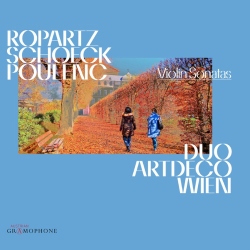
Sonata, for violin & piano No. 1 in D major, Op. 16
I. Nicht zu langsam - Etwas bewegter - Schneller - Tempo I - Etwas bewegter - Viel ruhiger - Ziemlich bewegt
6:16
7
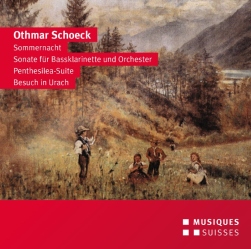
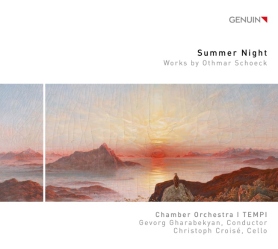
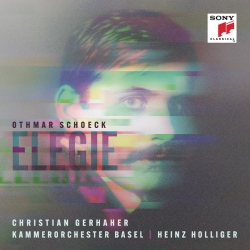
Summer Night, Op. 58
Sommernacht, pastorales Intermezzo für Streichorchester nach dem Gedicht von Gottfried Keller Op. 58
14:4
8
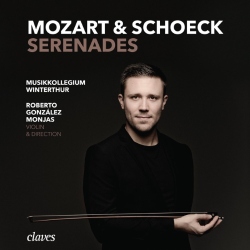
Serenade, for small orchestra, Op. 1
Serenade for small orchestra Op. 1: Allegro ma non troppo
8:16

Copyright Ⓒ 2013 Davinci Finger. All rights reseved
Service Terms & Policy