


Arthur Honegger
Released Album
Chamber
-
 July 1, 2024
 -
 February 26, 2024
 -
-
 September 16, 2022
 -
 September 2, 2022
 -
 February 4, 2022
Symphony
-
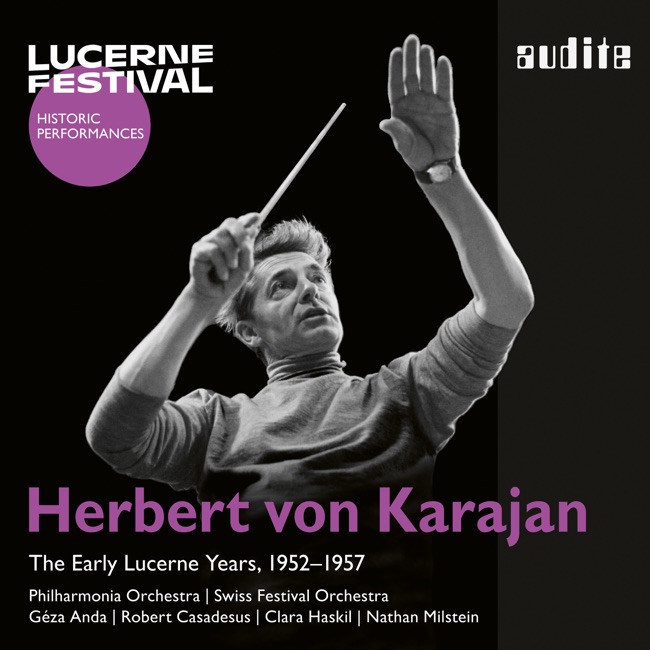 September 8, 2023
 -
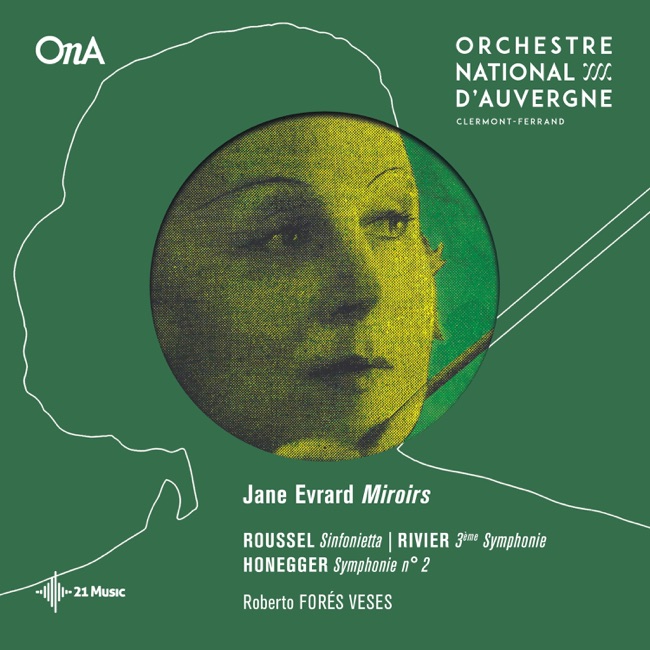 May 20, 2022
 -
 March 7, 2022
 -
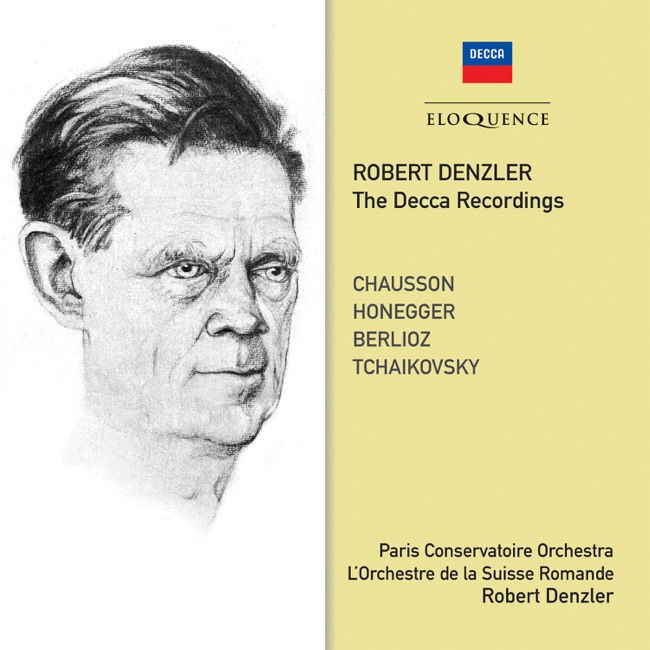 June 5, 2020
 -
-
 January 18, 2019
Orchestral
-
 September 15, 2023
 -
 October 15, 2021
 -
 May 28, 2021
 -
 January 11, 2019
 -
-
Keyboard
-
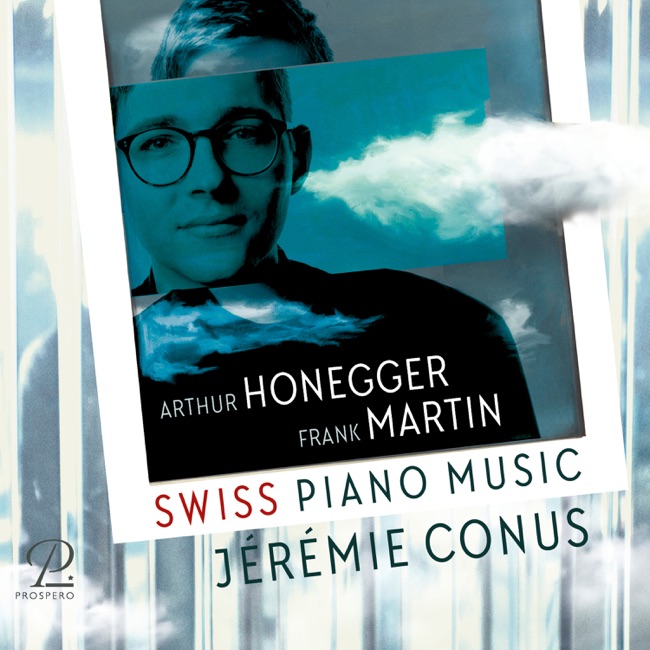 July 8, 2022
 -
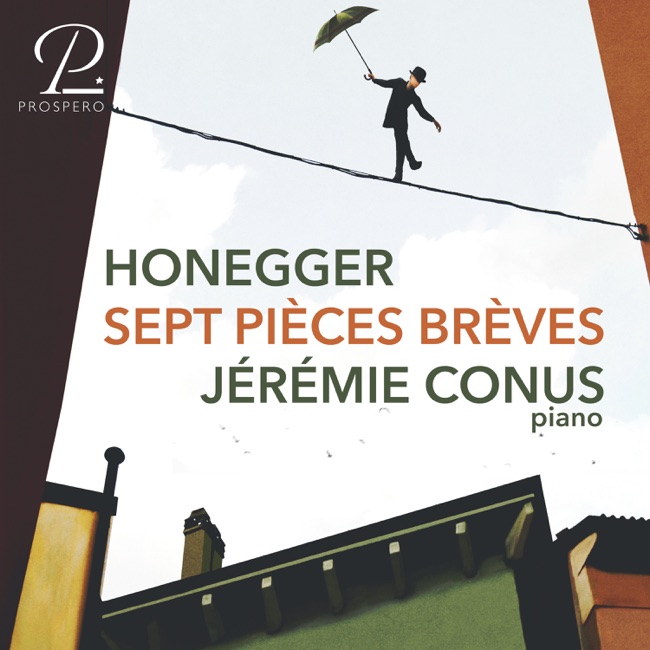 June 17, 2022
 -
 June 3, 2022
 -
 May 6, 2022
 -
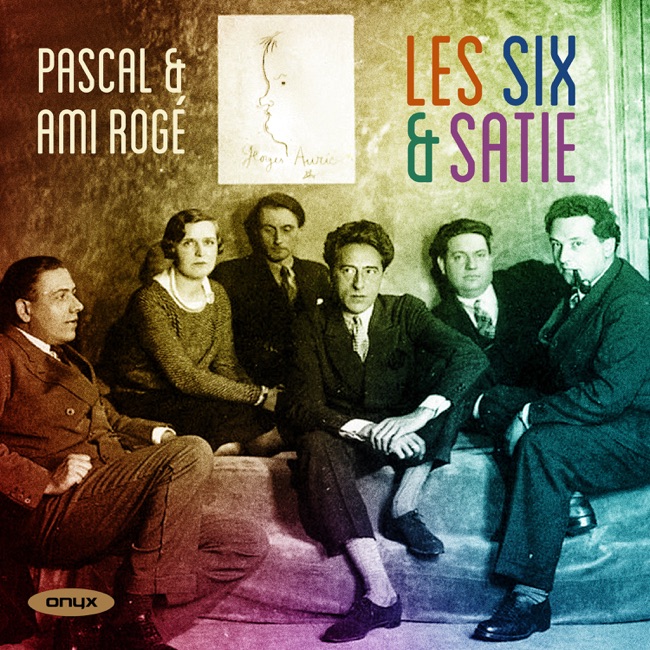 March 20, 2020
 -
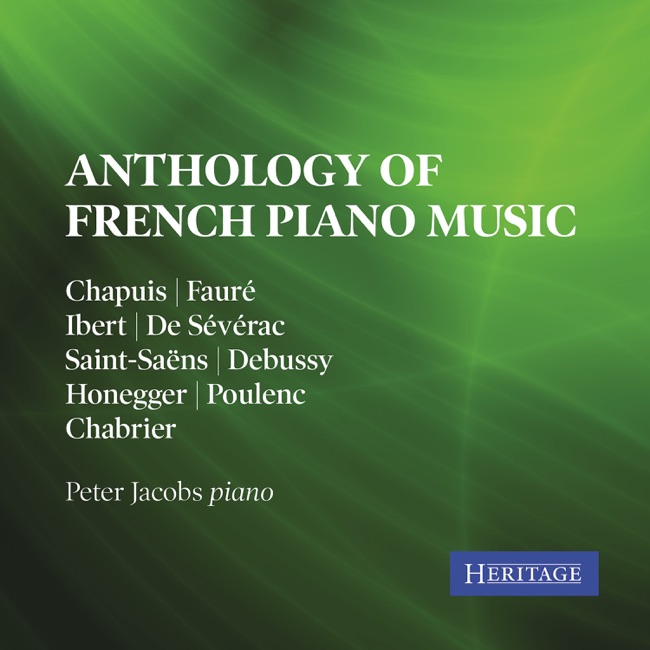 September 23, 2019
Artist Info
Role:Composer ConductorCountry: SwitzerlandBirth:March 10, 1892 in Le Havre, FranceDeath:November 27, 1955 in Paris, FrancePeriod:ContemporaryModernGenre:ChamberOrchestralSymphonyArthur Honegger was a Swiss composer who was born on March 10, 1892, in Le Havre, France. He was the youngest of three children born to Swiss parents, who had moved to France for work. Honegger's father was a watchmaker, and his mother was a piano teacher. Honegger's parents recognized his musical talent at an early age and encouraged him to pursue music. Honegger began his musical education at the age of six, studying the piano with his mother. He later studied the violin and the cello, and by the age of 14, he had composed his first piece of music. In 1911, Honegger moved to Zurich, Switzerland, to study music at the Zurich Conservatory. While there, he studied composition with Charles Ferdinand Ramuz and Ernst W. Korngold. In 1913, Honegger moved to Paris, France, where he studied with Vincent d'Indy at the Schola Cantorum de Paris. While in Paris, Honegger became friends with other composers, including Darius Milhaud, Francis Poulenc, and Georges Auric. Together, they formed a group known as "Les Six," which was a group of young composers who rejected the traditional style of classical music and embraced a more modern, experimental style. Honegger's early works were heavily influenced by the music of Igor Stravinsky and Sergei Prokofiev. His first major work, the "Pacific 231," was composed in 1923 and was inspired by the sound of a locomotive. The piece is a symphonic poem that depicts the power and energy of a steam locomotive. The work was well-received and established Honegger as a leading composer of the time. Honegger's music was characterized by its rhythmic complexity and its use of polytonality. He often incorporated elements of jazz and popular music into his compositions, which was unusual for a classical composer at the time. Honegger's music was also known for its emotional intensity and its ability to convey a sense of drama and tension. One of Honegger's most famous works is the oratorio "Jeanne d'Arc au bûcher" (Joan of Arc at the Stake), which was composed in 1935. The work tells the story of Joan of Arc, who was burned at the stake for heresy in 1431. The oratorio is a powerful and emotional work that features a large orchestra, choir, and soloists. The work was a critical and commercial success and is still performed today. Honegger's other notable works include the ballet "Skating Rink," the opera "Antigone," and the symphony "Liturgique." The "Liturgique" is a three-movement symphony that was composed in 1945 and is considered one of Honegger's greatest works. The symphony is a tribute to the victims of World War II and is a powerful and emotional work that features a large orchestra and choir. Honegger continued to compose music throughout his life, and his later works were more introspective and reflective. He died on November 27, 1955, in Paris, France, at the age of 63. Honegger's music continues to be performed and recorded today and is considered an important part of the classical music canon.More....
Recent Artist Music

2
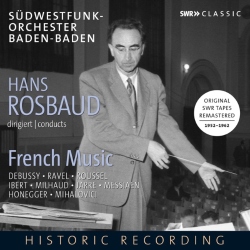
Symphony No. 3 "Liturgical", H. 186
III. Dona nobis pacem. Andante - Pesante - Adagio - Tempo primo - Adagio
12:2



11
2:45

Works Highlight
Recommend Playlist



Related Artists
Copyright Ⓒ 2013 Davinci Finger. All rights reseved
Service Terms & Policy