


Jacques Ibert
Released Album
Chamber
-
 July 1, 2024
 -

-
 March 13, 2024
 -
 December 8, 2023
 -
 September 3, 2023
 -
 August 4, 2023
Orchestral
-
 August 12, 2022
 -
 June 4, 2021
 -
 June 5, 2020
 -
 February 7, 2020
 -
 February 1, 2019
 -
 February 17, 2017
Keyboard
-
 February 15, 2023
 -
 December 9, 2022
 -
 April 8, 2022
 -

-
-
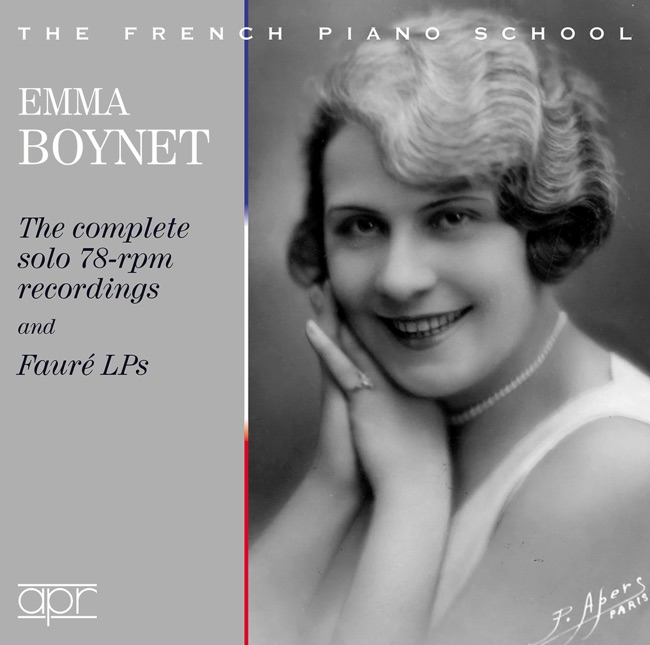 February 5, 2021
Concerto
-
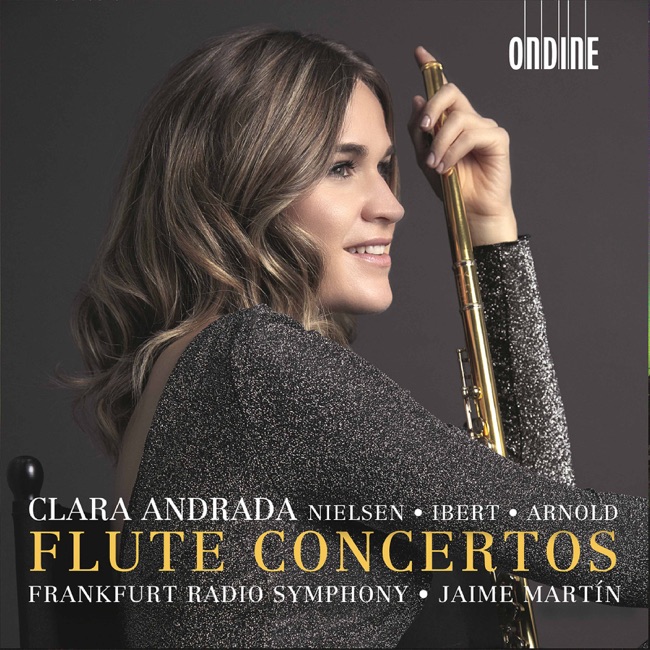 January 3, 2020
 -
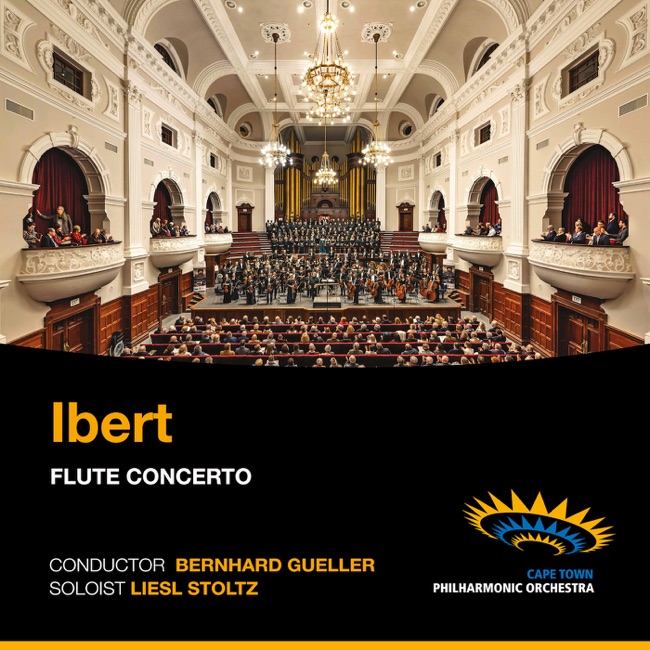 January 1, 2020
 -
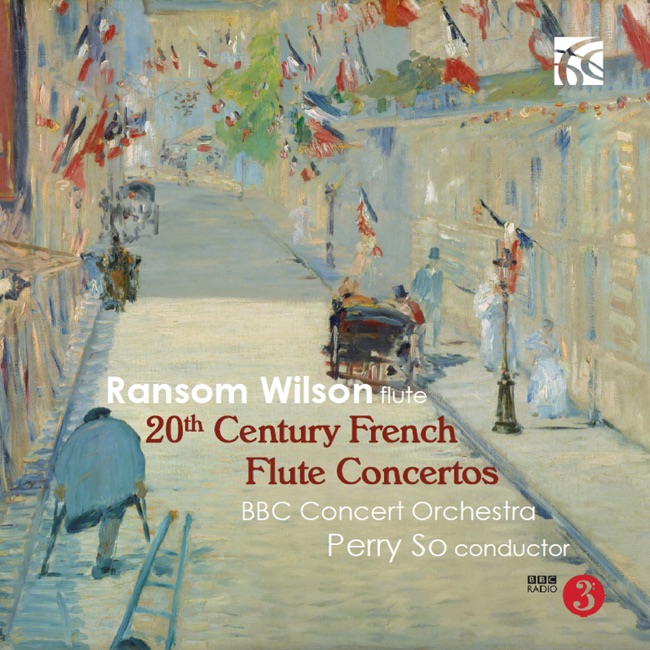 February 1, 2019
 -
 September 7, 2018
 -
 February 16, 2018
 -
 October 7, 2016
Artist Info
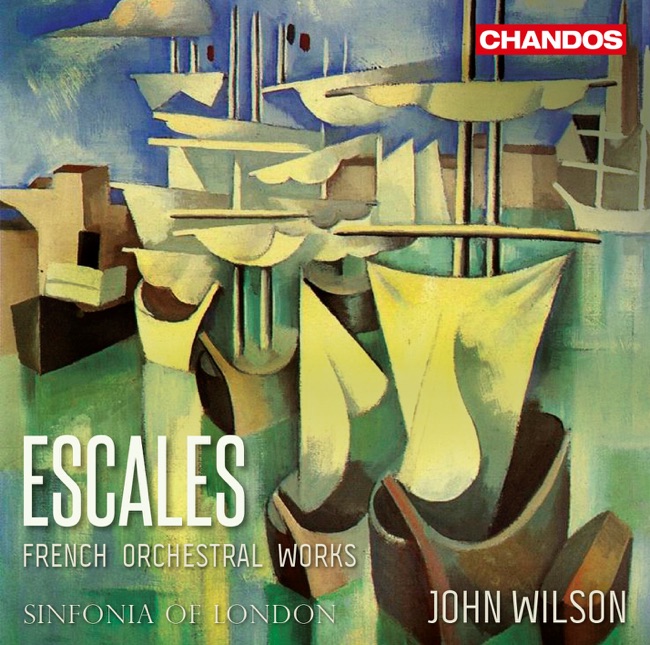
Role:Composer ConductorCountry: FranceBirth:August 15, 1890 in Paris, FranceDeath:February 5, 1962 in Paris, FrancePeriod:ContemporaryModernGenre:ChamberConcertoKeyboardOrchestralJacques Ibert was a French composer who was born on August 15, 1890, in Paris, France. He was the youngest of four children and grew up in a musical family. His father was a successful businessman who loved music and played the piano, while his mother was a talented amateur singer. Ibert's older brother, Marcel, was a composer and conductor, and his sister, Geneviève, was a pianist. Ibert began his musical studies at a young age, learning the piano and violin. He attended the Paris Conservatory, where he studied composition with Paul Vidal and harmony with André Gedalge. He also studied with Maurice Ravel, who had a significant influence on his music. Ibert's early works were influenced by the Impressionist style of Debussy and Ravel. His first major success came in 1917 with his suite for orchestra, Escales (Ports of Call), which was inspired by his travels to Italy, Tunisia, and Spain. The work was well-received and established Ibert as a composer to watch. In 1920, Ibert won the Prix de Rome, a prestigious award for young composers. He spent two years in Rome, where he continued to develop his style and compose new works. During this time, he wrote his first opera, Persée et Andromède, which was premiered in Paris in 1921. After returning to Paris, Ibert became a prolific composer, writing music for a variety of genres, including opera, ballet, film, and chamber music. He was also a successful conductor and served as the director of the Paris Conservatory from 1937 to 1960. One of Ibert's most famous works is his Divertissement for chamber orchestra, which was written in 1930. The piece is a playful and lighthearted work that showcases Ibert's skill as an orchestrator. It includes a variety of musical styles, including a waltz, a march, and a tango. Ibert also wrote several operas, including Angélique (1926), which was based on a play by Jean Giraudoux. The opera was a critical success and established Ibert as a major figure in French opera. He went on to write several more operas, including Le roi d'Ys (1931) and Les petites cardinal (1938). In addition to his operas, Ibert wrote several ballets, including Les amours de Jupiter (1945) and Les rencontres (1954). He also wrote music for several films, including La symphonie fantastique (1942) and Les enfants terribles (1950). Ibert's music is known for its clarity, elegance, and wit. He was a master of orchestration and was able to create a wide range of colors and textures with his music. His works are often characterized by their use of folk melodies and rhythms, as well as their incorporation of jazz and other popular music styles. Ibert continued to compose and conduct throughout his life, and he received many honors and awards for his contributions to music. He died on February 5, 1962, in Paris, France, at the age of 71. Today, he is remembered as one of the most important French composers of the 20th century.More....
Recent Artist Music

4

2:20


14

1:31

Works Highlight







Copyright Ⓒ 2013 Davinci Finger. All rights reseved
Service Terms & Policy