


Georges Auric
Released Album
Vocal
-
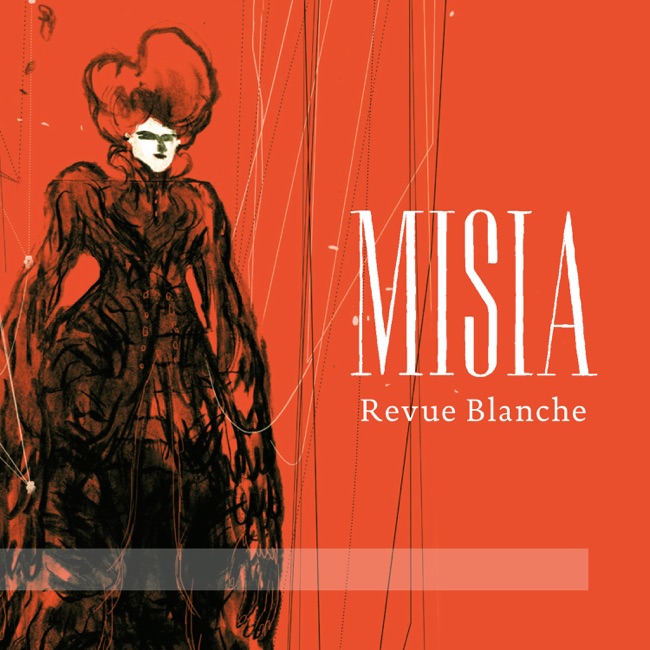 October 1, 2021
 -
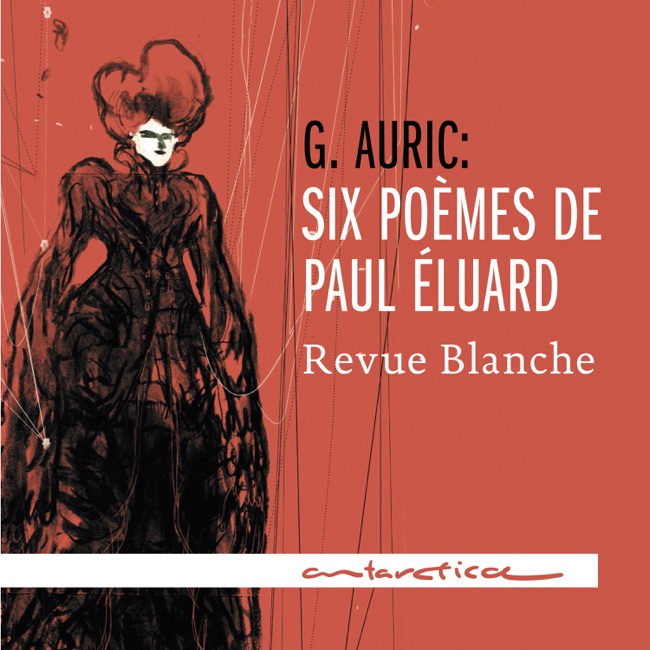 August 6, 2021
 -
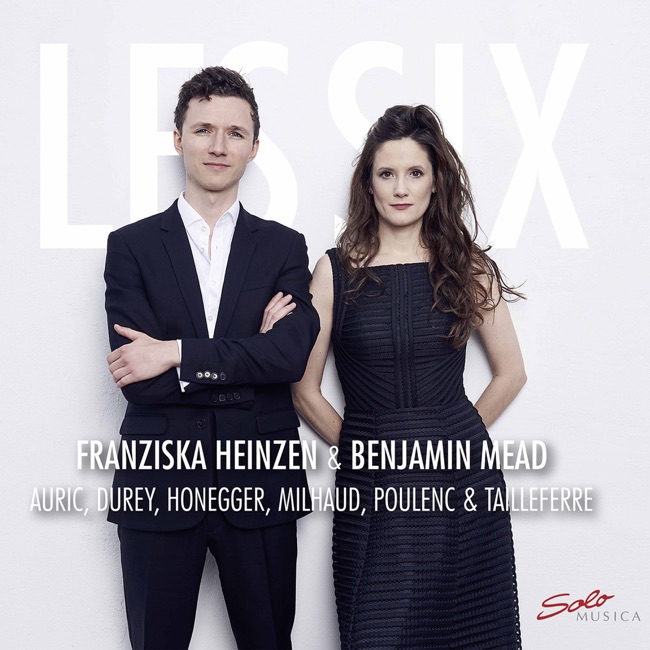 February 12, 2021
 -
 February 8, 2019
 -
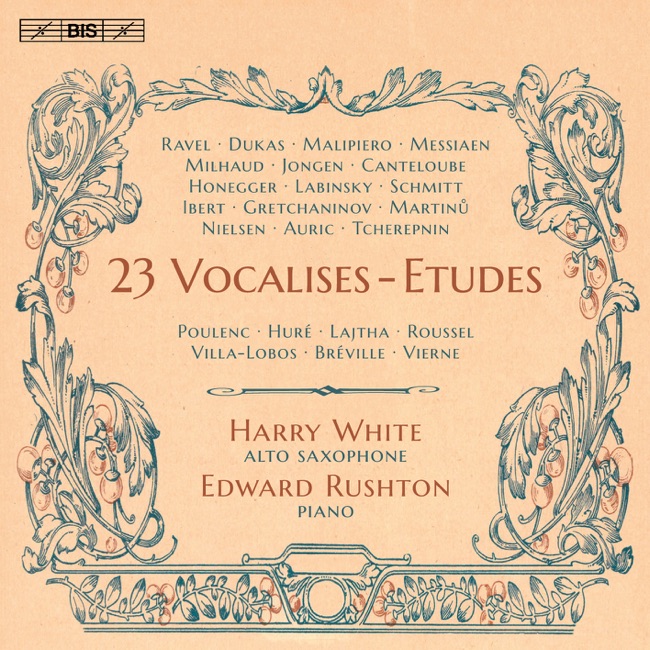 June 10, 2016
 -
 March 25, 2013
Keyboard
-
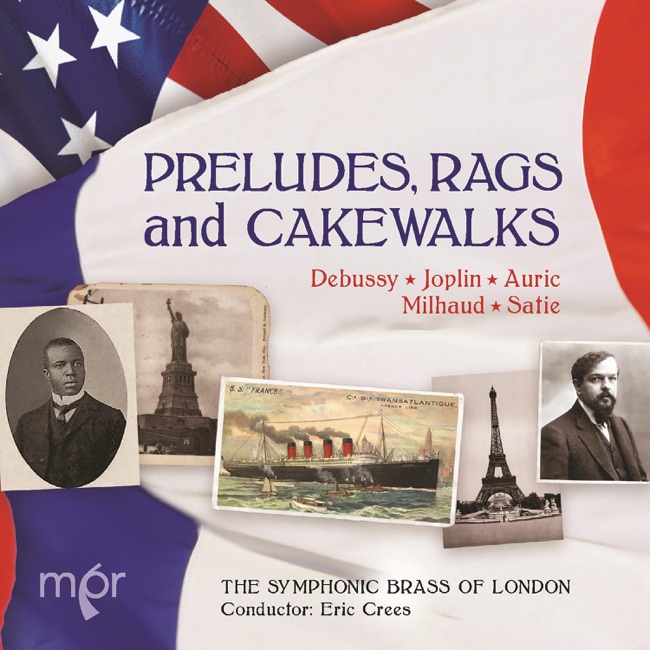 April 3, 2020
 -
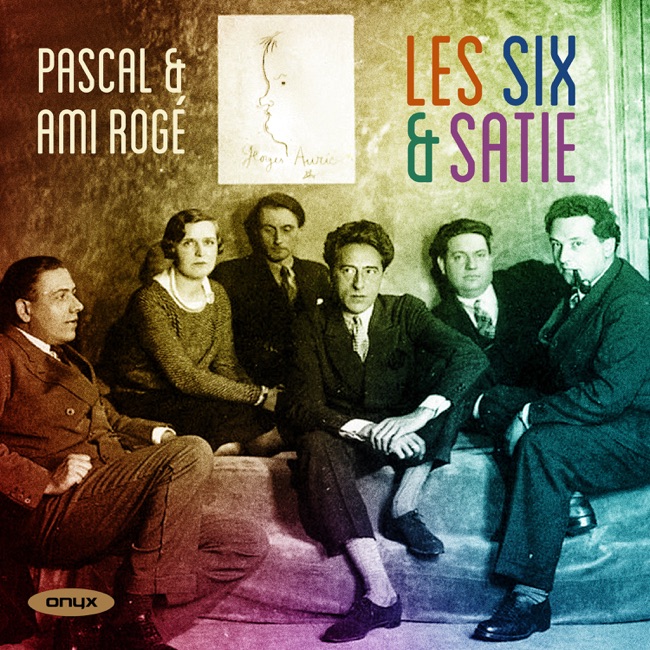 March 20, 2020
 -
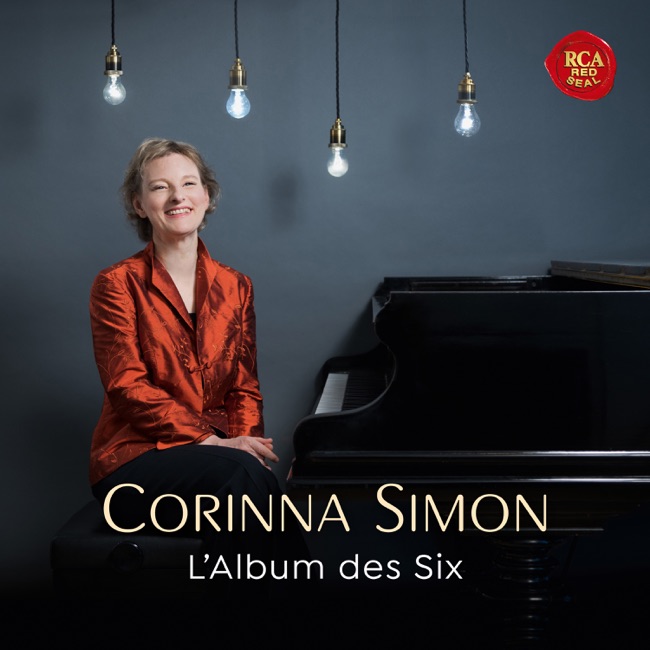 June 28, 2019
 -
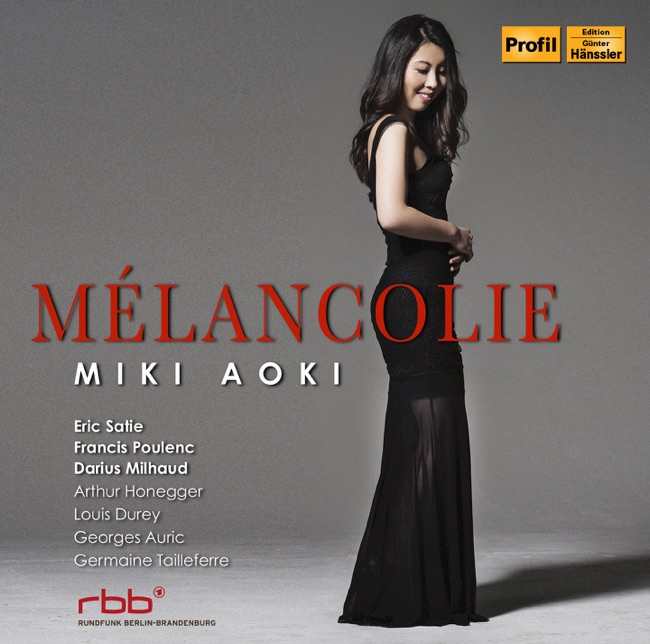 October 14, 2016
 -
-
 February 11, 2008
Chamber
-
 June 14, 2019
 -
 June 7, 2019
 -
 February 15, 2019
 -
 April 21, 2015
 -
 May 6, 2013
 -
 March 26, 2012
Film
-

-
 October 26, 2010
 -
 February 22, 2005
 -
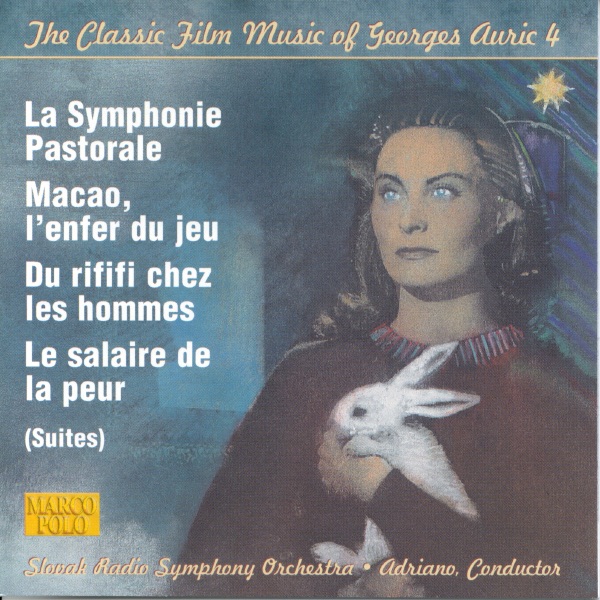 February 5, 2001
 -
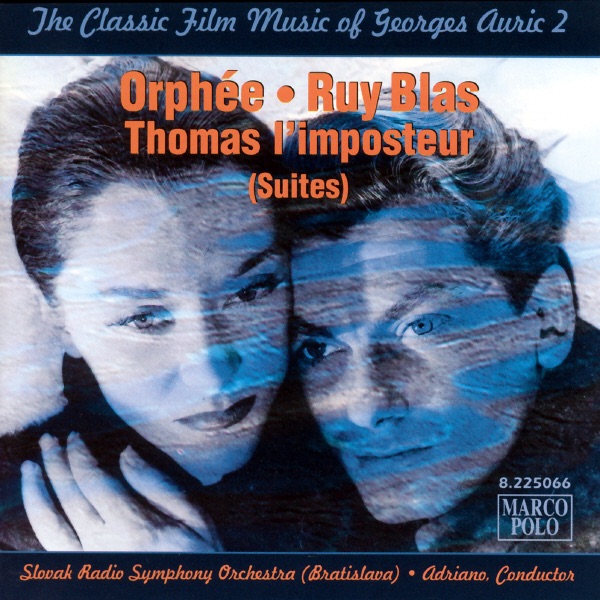 November 30, 1999
 -
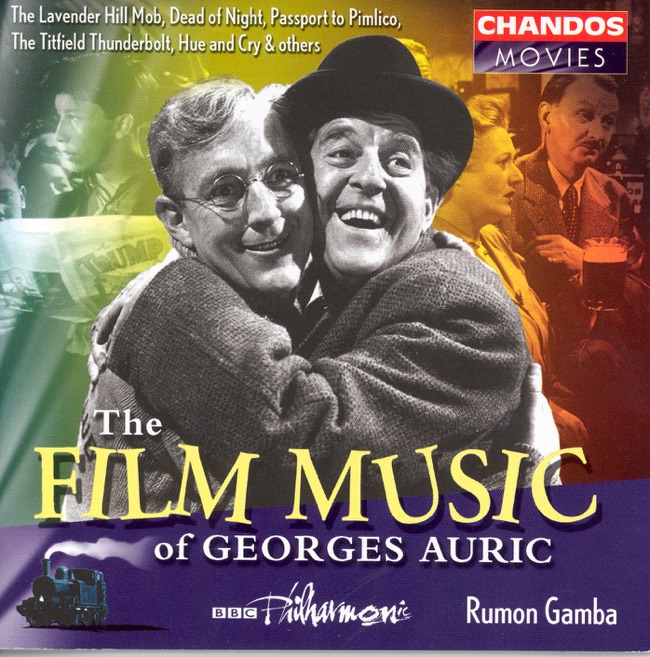 September 16, 1999
Artist Info
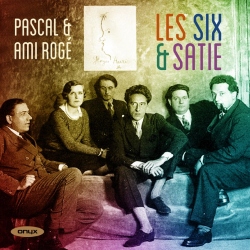
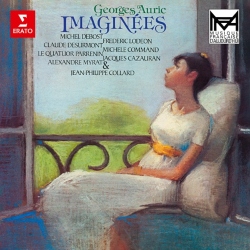
Role:ComposerCountry: FranceBirth:February 15, 1899 in Lodève, Hérault, FranceDeath:July 23, 1983 in Paris, FrancePeriod:ContemporaryModernGenre:ChamberFilmVocalGeorges Auric was a French composer and music critic who was born on February 15, 1899, in Lodève, France. He was the youngest of four children and grew up in a musical family. His father was a music teacher, and his mother was a singer. Auric began studying music at a young age and showed a natural talent for composition. At the age of 15, Auric moved to Paris to study at the Conservatoire de Paris. He studied composition with Vincent d'Indy and harmony with Jean Gallon. While at the conservatory, Auric met other young composers who would become his lifelong friends and collaborators, including Arthur Honegger, Darius Milhaud, and Francis Poulenc. In 1917, Auric and his friends formed a group called Les Six, which was a collective of young composers who rejected the traditional rules of classical music and embraced a more modern, experimental style. The group's music was characterized by its use of dissonance, irregular rhythms, and unconventional instrumentation. Auric's early works were influenced by the music of Erik Satie, who was a mentor to the young composer. Auric's first major work was a ballet called Les Fâcheux, which was commissioned by Sergei Diaghilev's Ballets Russes. The ballet premiered in 1924 and was a critical and commercial success. Auric went on to compose music for several other ballets, including Les Matelots, Les Imaginaires, and Les Enfants Terribles. He also wrote music for films, including the classic French films Le Million and La Grande Illusion. In addition to his work as a composer, Auric was also a music critic and wrote for several French newspapers and magazines. He was a champion of modern music and was known for his outspoken opinions on the state of classical music in France. Auric's music is characterized by its lightness and playfulness, as well as its use of unconventional instrumentation. He often used instruments such as the saxophone, banjo, and accordion in his compositions, which gave his music a unique sound. One of Auric's most famous works is his score for the film Moulin Rouge, which was released in 1952. The film was a critical and commercial success, and Auric's score was praised for its use of traditional French music and its incorporation of modern elements. Auric continued to compose music throughout his life and was awarded several honors for his contributions to French music. He was made a Chevalier of the Legion of Honor in 1938 and was later promoted to the rank of Officier in 1955. Georges Auric died on July 23, 1983, in Paris, France. He is remembered as one of the most important composers of the 20th century and as a pioneer of modern classical music. His music continues to be performed and recorded today, and his influence can be heard in the work of many contemporary composers.More....
Recent Artist Music





Copyright Ⓒ 2013 Davinci Finger. All rights reseved
Service Terms & Policy