


Charles Münch
Released Album
Concerto
-
-
 January 19, 2024
 -
 September 8, 2023
 -
 October 14, 2022
 -
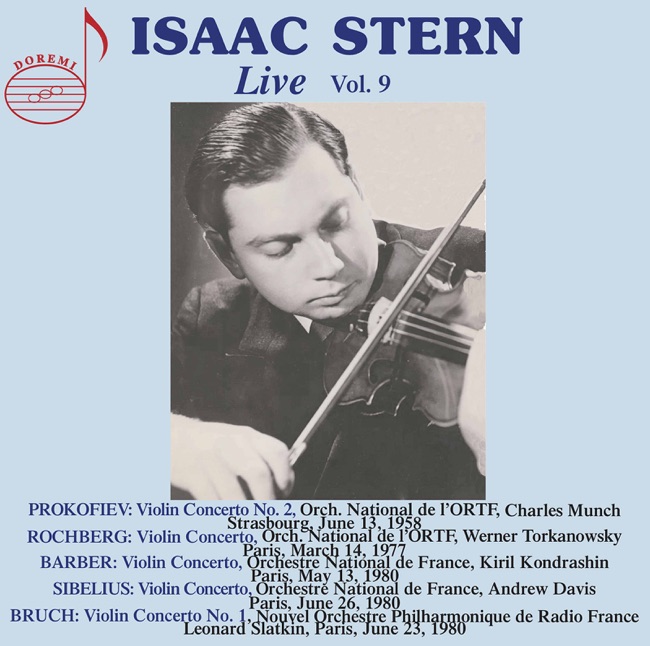 September 17, 2021
 -
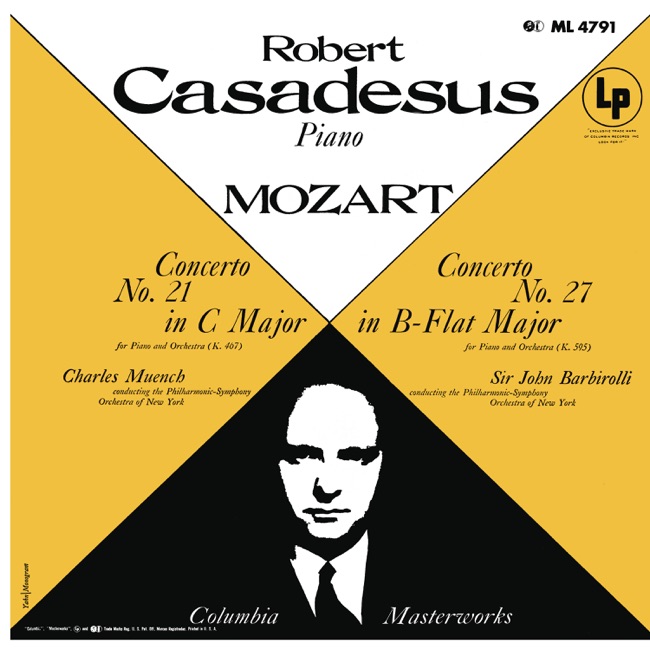 March 1, 2019
Orchestral
-
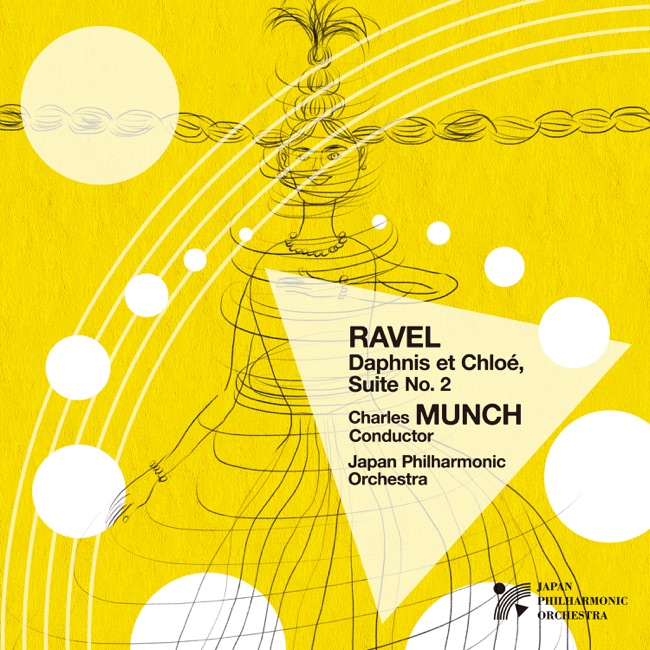 April 23, 2021
 -
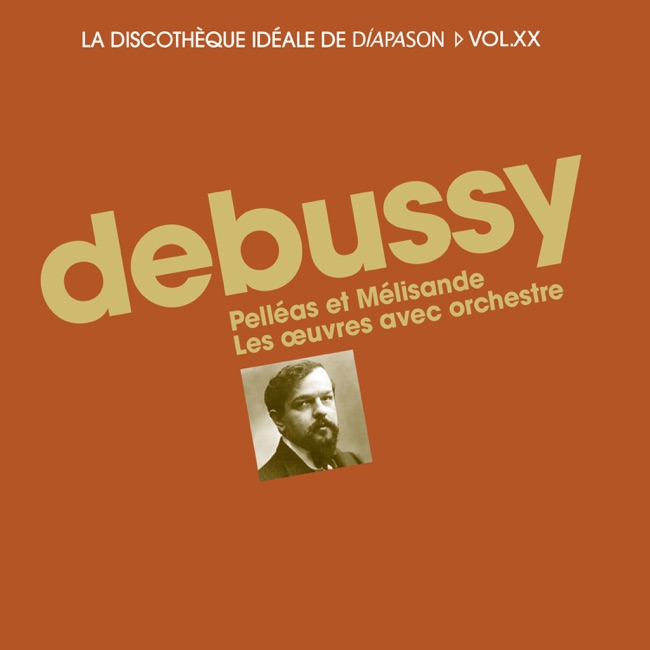
-
-
-
-
 November 4, 2016
Symphony
-
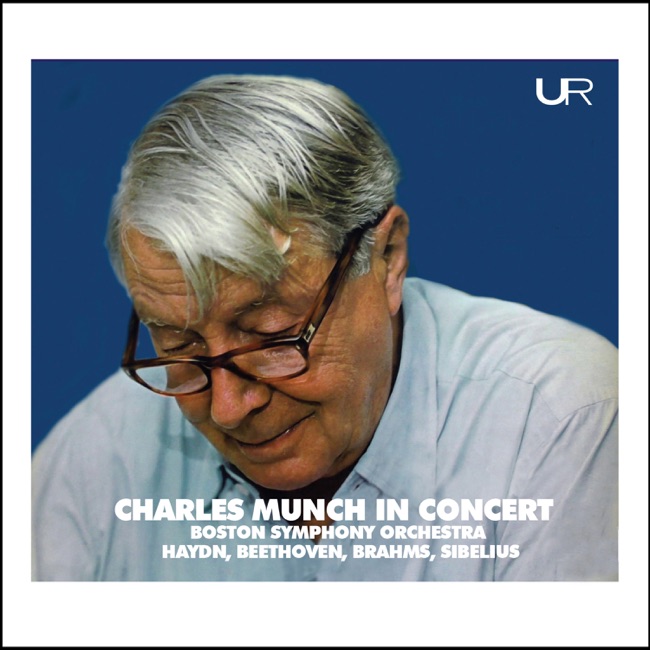 January 7, 2022
 -
 February 27, 2020
 -
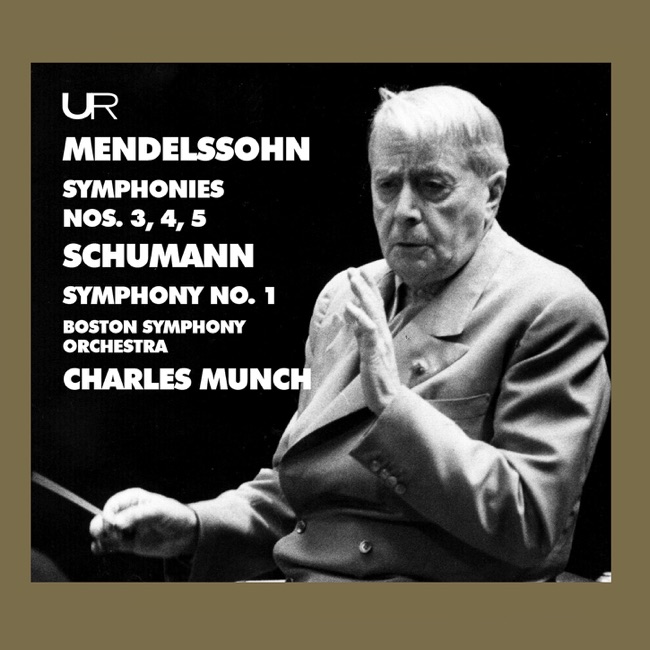 February 7, 2020
 -
 September 28, 2018
 -
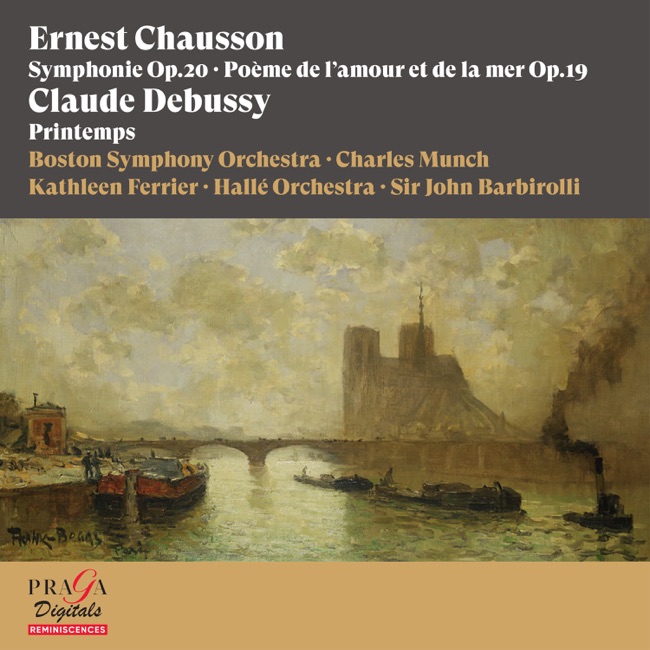 November 25, 2016
 -
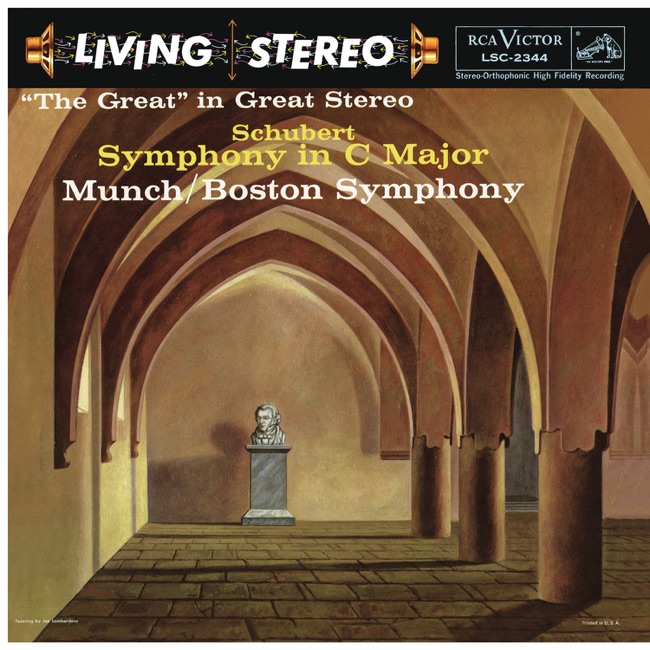 November 4, 2016
Choral
-
 November 4, 2022
 -
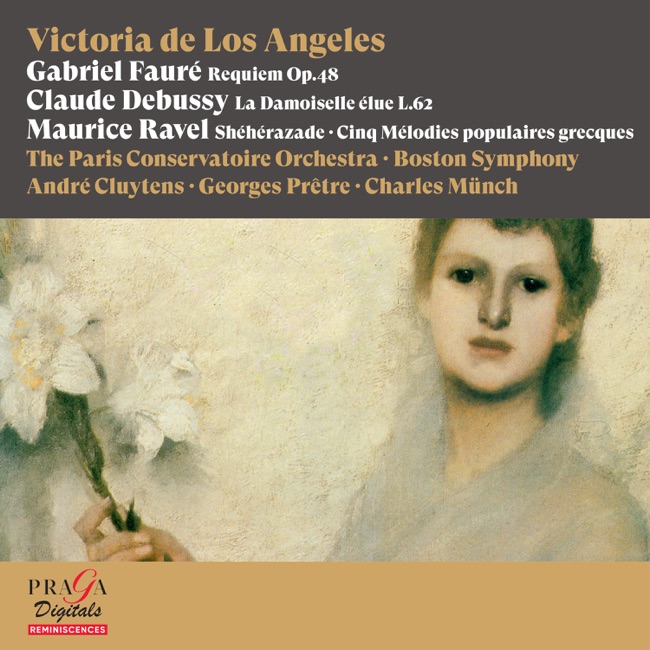
-
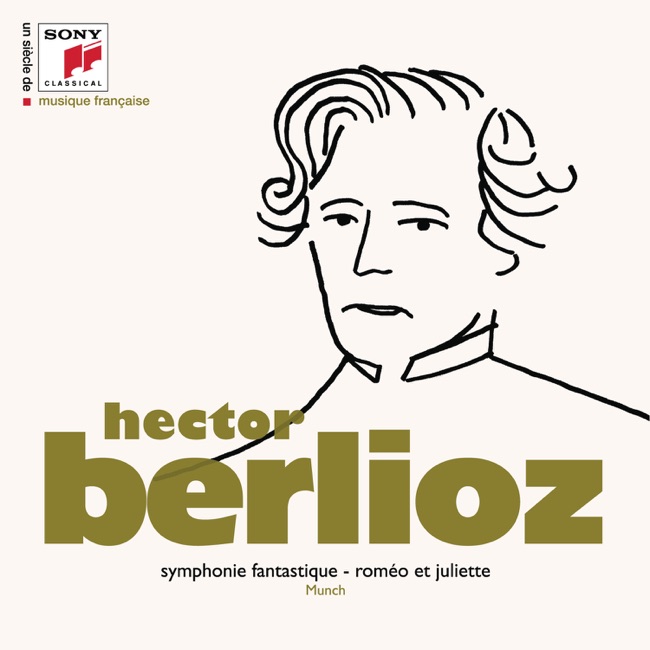 May 13, 2016
Artist Info
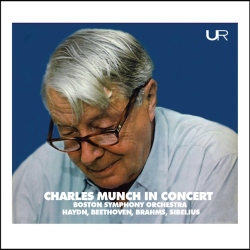
Role:ConductorCountry: FranceBirth:September 26, 1891 in Strasbourg, FranceDeath:November 6, 1968 in Richmond, VAPeriod:ContemporaryGenre:ConcertoOrchestralSymphonyCharles Münch was a renowned French conductor and violinist who made a significant contribution to the world of classical music. He was born on September 26, 1891, in Strasbourg, France, to a family of musicians. His father was a church organist, and his mother was a singer. Münch showed an early interest in music and began playing the violin at the age of six. Münch's musical education began at the Strasbourg Conservatory, where he studied violin and composition. He later moved to Paris to continue his studies at the Paris Conservatory, where he studied under the tutelage of renowned violinist Lucien Capet. Münch's talent as a violinist was evident, and he won several awards and prizes during his time at the conservatory. In 1912, Münch joined the Orchestre Lamoureux as a violinist. He quickly rose through the ranks and became the orchestra's concertmaster in 1919. During his time with the orchestra, Münch also began conducting, and he made his debut as a conductor in 1920. He was appointed the orchestra's principal conductor in 1923, a position he held until 1935. In 1935, Münch was appointed the conductor of the Orchestre de la Société des Concerts du Conservatoire, one of the most prestigious orchestras in France. He held this position until 1946, during which time he established himself as one of the leading conductors in Europe. Münch's reputation as a conductor grew, and he was invited to conduct many of the world's leading orchestras, including the Berlin Philharmonic, the Vienna Philharmonic, and the Boston Symphony Orchestra. In 1946, Münch was appointed the music director of the Boston Symphony Orchestra, a position he held until 1949. During his time with the orchestra, Münch made several recordings that are still considered some of the finest interpretations of classical music. He also introduced new works by contemporary composers, including Igor Stravinsky and Béla Bartók. In 1951, Münch was appointed the music director of the Orchestre National de France, a position he held until his death in 1968. During his time with the orchestra, Münch continued to champion contemporary music and introduced works by Olivier Messiaen, Pierre Boulez, and Henri Dutilleux. He also made several recordings with the orchestra, including a highly acclaimed recording of Hector Berlioz's Symphonie fantastique. Münch's conducting style was characterized by his attention to detail and his ability to bring out the emotional depth of the music. He was known for his expressive gestures and his ability to communicate with the musicians he was conducting. Münch was also a champion of French music, and he played a significant role in promoting the works of French composers such as Claude Debussy, Maurice Ravel, and Camille Saint-Saëns. Throughout his career, Münch received numerous awards and honors for his contributions to classical music. In 1958, he was awarded the Legion of Honor, one of the highest honors in France. He was also awarded the Grand Cross of the Order of Merit of the Federal Republic of Germany in 1963. In 1967, Münch was awarded the Gold Medal of the Royal Philharmonic Society in London, an honor that had previously been awarded to only a handful of conductors. Charles Münch died on November 6, 1968, in Richmond, Virginia, while on tour with the Orchestre National de France. He was widely mourned by the classical music community, and his contributions to the world of classical music continue to be celebrated to this day.More....
Recent Artist Music
2

Spider's Feast
Prélude - Un jardin. L'araignée est dans sa toile. Elle surveille les alentours
4:22
3
12:3
5

2:10

8
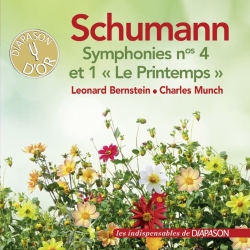
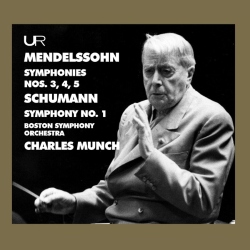
Symphony No. 1 in B flat major "Spring", Op. 38
I. Andante un poco maestoso - Allegro molto vivace
10:10
10

The Chosen Maiden, L. 62
'La damoiselle élue s'appuyait sur la barrière dur du ciel ... Sa robe flottante'
8:41










Related Artists
Copyright Ⓒ 2013 Davinci Finger. All rights reseved
Service Terms & Policy