


Robert Schumann
Released Album
Keyboard
-
 October 18, 2024
 -
 October 9, 2024
 -
 October 1, 2024
 -
-
-
 September 27, 2024
Chamber
-
 October 4, 2024
 -
 September 27, 2024
 -
 September 6, 2024
 -
 September 1, 2024
 -
 August 9, 2024
 -
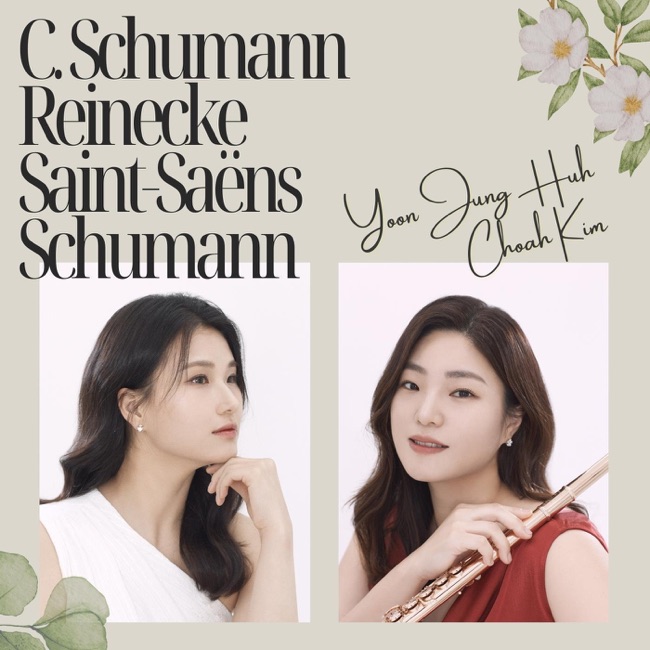 July 12, 2024
Vocal
-
 September 25, 2024
 -
-
 August 12, 2024
 -
-
-
 July 12, 2024
Concerto
-
 July 26, 2024
 -
 July 19, 2024
 -
-
-
 January 19, 2024
Artist Info
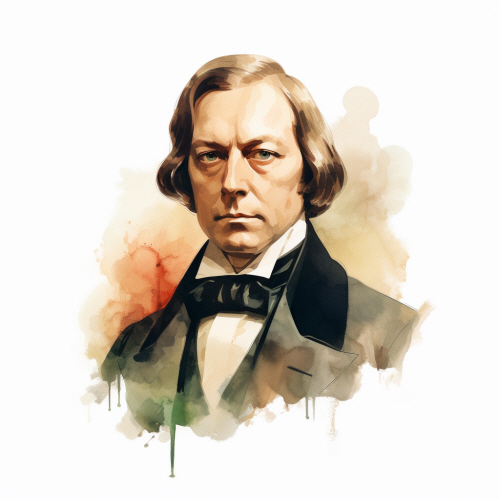
Role:Composer PerformerCountry: GermanyBirth:June 8, 1810 in Zwickau, GermanyDeath:July 29, 1856 in Endenich, GermanyPeriod:RomanticGenre:ChamberKeyboardVocalRobert Schumann was a German composer, pianist, and music critic of the Romantic era. He was born on June 8, 1810, in Zwickau, Saxony, to a bookseller and publisher, Friedrich August Schumann, and his wife, Johanna Christiane Schnabel. Schumann showed an early interest in music and began piano lessons at the age of seven. He also showed a talent for writing and began composing music at the age of 14. Schumann's musical education continued at the University of Leipzig, where he studied law but spent most of his time studying music. He also attended the piano classes of Friedrich Wieck, a renowned piano teacher, and the father of Schumann's future wife, Clara Wieck. Schumann's studies were interrupted by a hand injury, which prevented him from pursuing a career as a concert pianist. Instead, Schumann turned to music criticism and began writing for the Neue Zeitschrift für Musik (New Journal for Music), a publication he co-founded in 1834. Schumann's critical writings were influential in promoting the music of his contemporaries, including Chopin, Brahms, and Berlioz. He also used the journal to express his own musical ideas and theories. Schumann's compositions from this period include his Piano Sonata No. 1 in F-sharp minor, Op. 11, and his Fantasie in C major, Op. 17, both of which were dedicated to Clara Wieck. Schumann and Clara had fallen in love, but her father opposed their marriage. Schumann took legal action to gain permission to marry Clara, and they were finally married in 1840. The year 1840, known as Schumann's "year of song," was a prolific period for the composer. He composed over 130 songs, including his famous song cycle, Dichterliebe (A Poet's Love), Op. 48. Schumann's songs are known for their lyrical melodies and expressive harmonies, and they are considered some of the finest examples of the Romantic Lied. Schumann's other notable works from this period include his Symphony No. 1 in B-flat major, Op. 38, also known as the Spring Symphony, and his Piano Quintet in E-flat major, Op. 44. The Piano Quintet is considered one of Schumann's greatest works and is often cited as one of the finest examples of the chamber music genre. Schumann's mental health began to deteriorate in the late 1840s, and he suffered from depression and auditory hallucinations. He attempted suicide in 1854 and was admitted to a mental institution, where he remained until his death in 1856. Despite his mental illness, Schumann continued to compose, and his later works include his Symphony No. 4 in D minor, Op. 120, and his Cello Concerto in A minor, Op. 129. Schumann's music is characterized by its emotional intensity, lyrical melodies, and innovative harmonies. He was a pioneer of the Romantic era and helped to establish the piano as a solo instrument in its own right. Schumann's influence can be heard in the works of later composers such as Brahms, Mahler, and Debussy. In conclusion, Robert Schumann was a prolific composer, pianist, and music critic of the Romantic era. He was born into a family of publishers and showed an early interest in music. Schumann's musical education was interrupted by a hand injury, but he turned to music criticism and became a leading voice in promoting the music of his contemporaries. Schumann's compositions are known for their emotional intensity, lyrical melodies, and innovative harmonies, and he helped to establish the piano as a solo instrument in its own right.More....
Recent Artist Music
2
8:43
3
2:59


8
6:50
14
6:51
Works Highlight
Recommend Playlist








Related Artists
Copyright Ⓒ 2013 Davinci Finger. All rights reseved
Service Terms & Policy