


Gustav Mahler
Released Album
Symphony
-
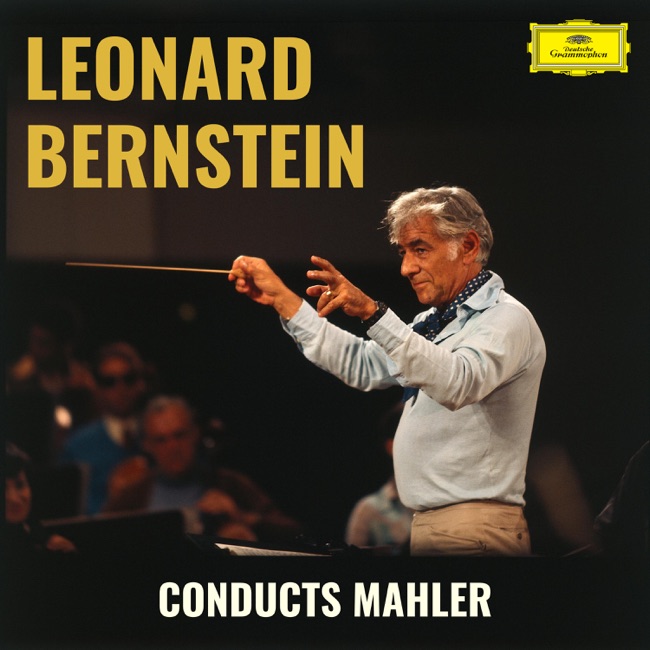 August 20, 2024
 -
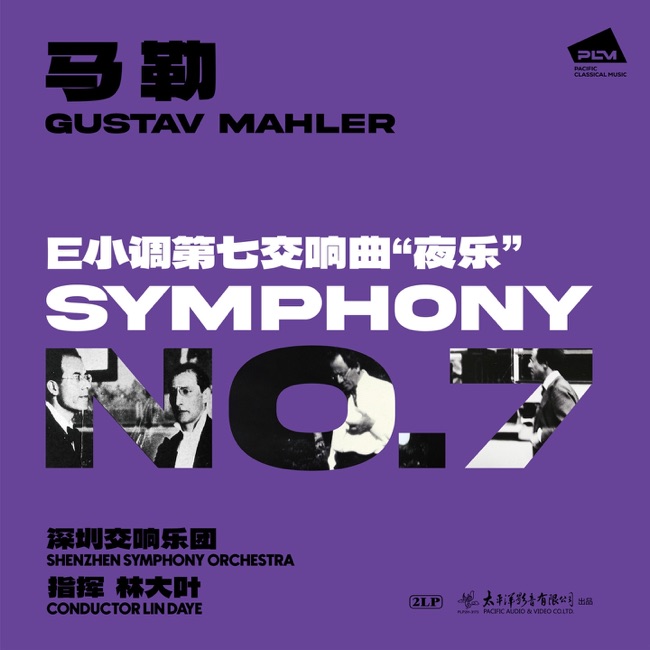 August 10, 2024
 -
 August 2, 2024
 -
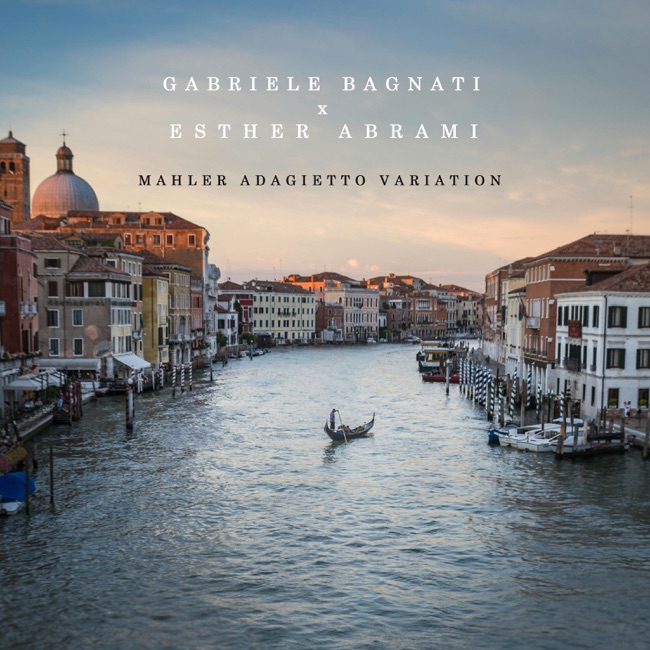
-
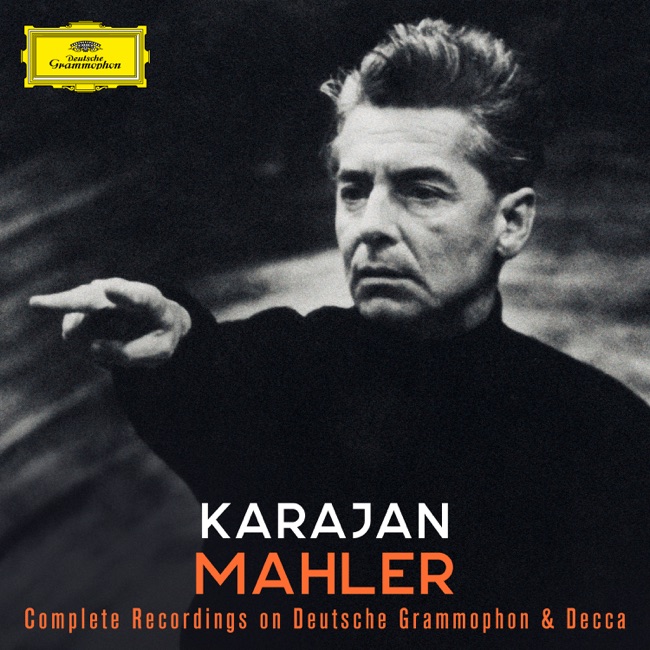 July 26, 2024
 -
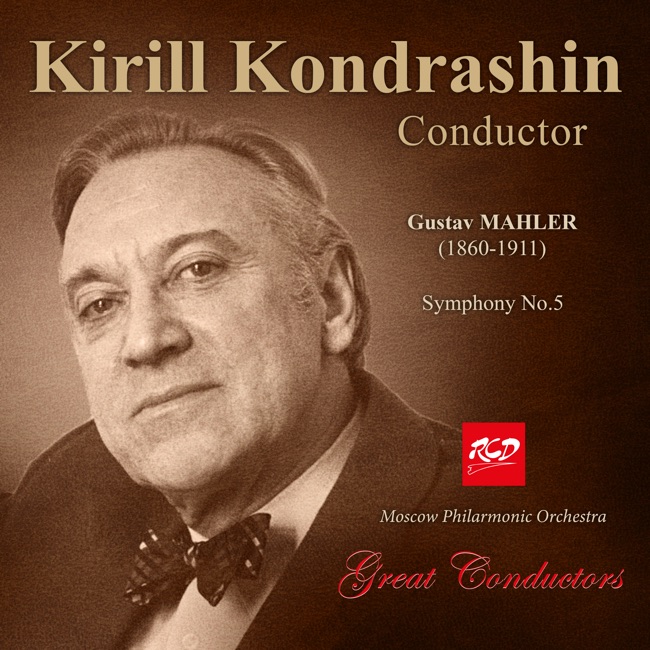 July 13, 2024
Vocal
-
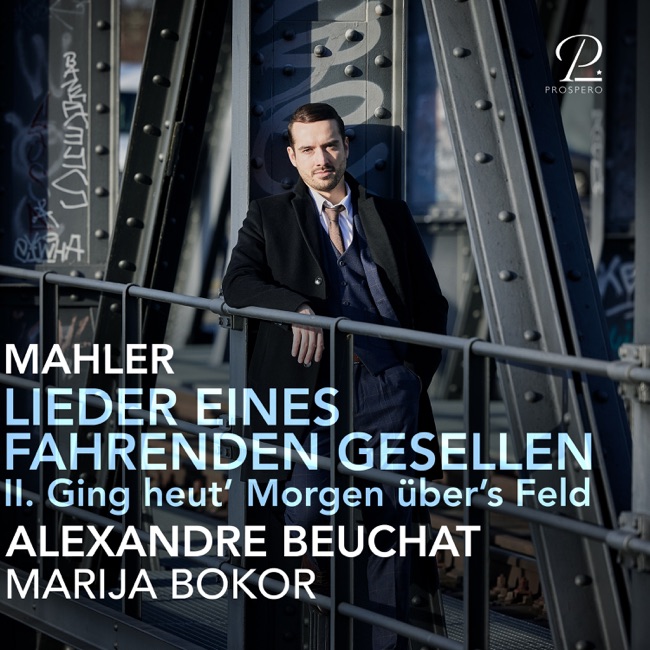
-

-

-
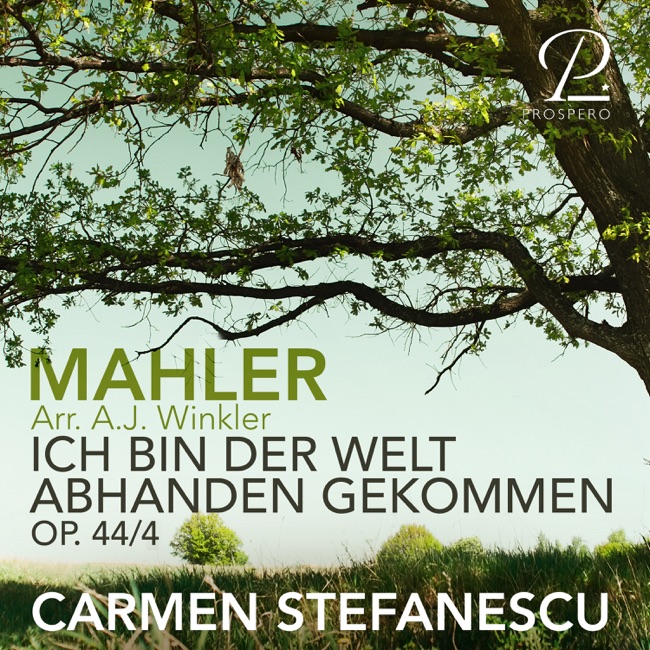
-

-
 June 21, 2024
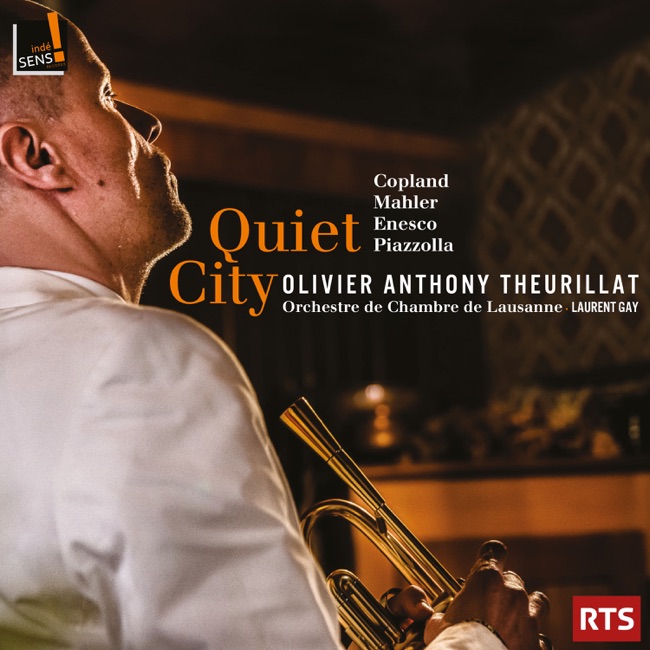
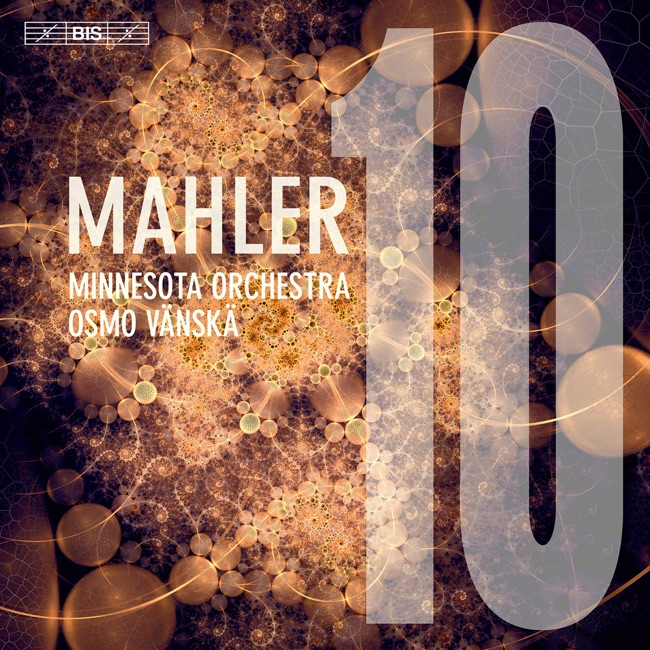
Chamber
-
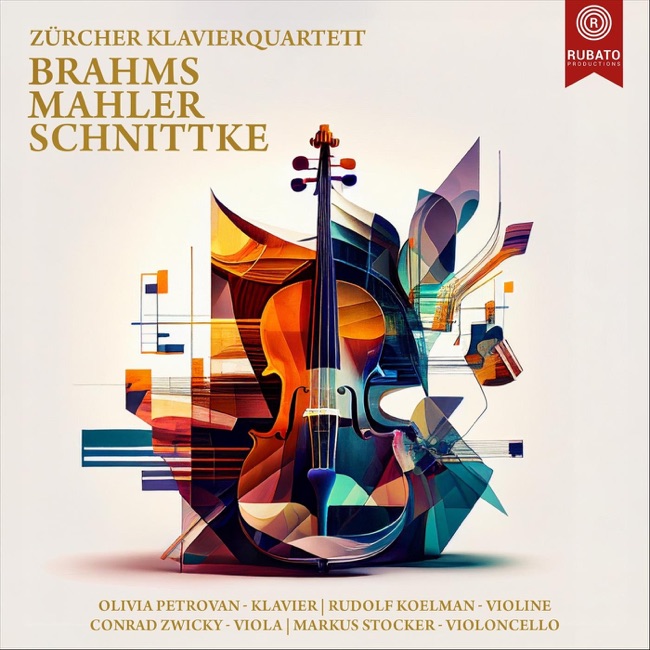 September 28, 2023
 -
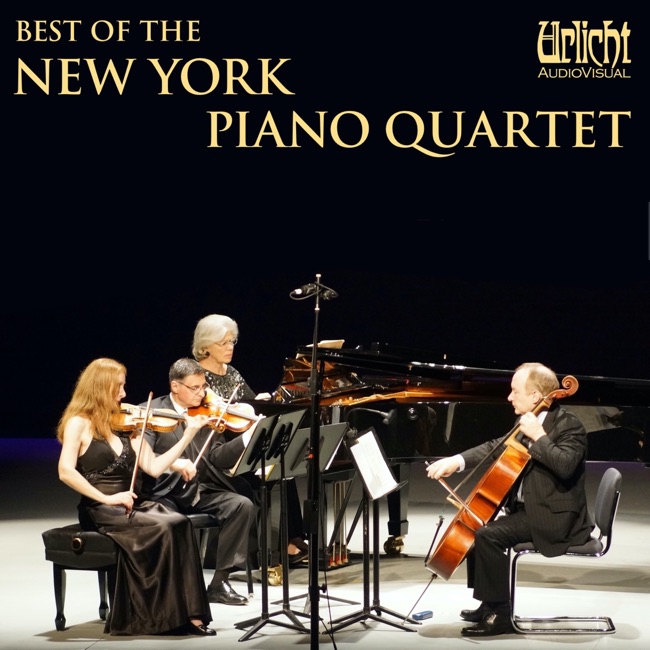 February 19, 2021
 -
 June 7, 2019
 -

-
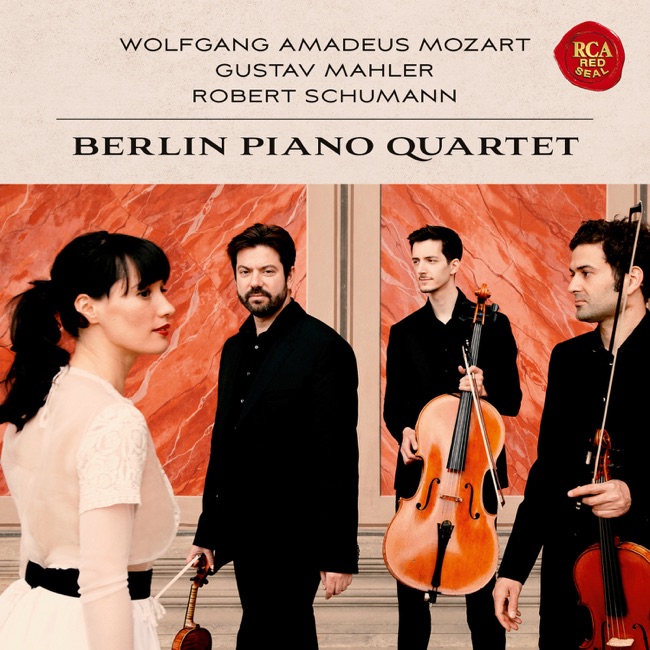 November 3, 2017
 -
 February 10, 2017
Artist Info
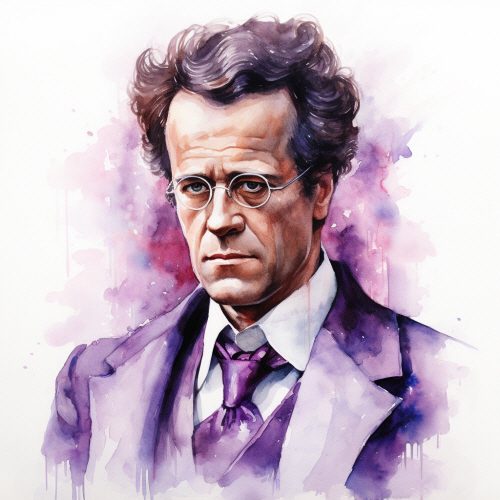
Role:Composer ConductorCountry: AustriaBirth:July 7, 1860 in Kalischt, Czech RepublicDeath:May 18, 1911 in Vienna, AustriaPeriod:RomanticGenre:SymphonyVocalGustav Mahler was a renowned composer and conductor of the late Romantic era. He was born on July 7, 1860, in Kaliště, Bohemia, which is now part of the Czech Republic. Mahler was the second of 14 children born to Jewish parents, and his father was a successful distiller and tavern owner. Mahler showed an early interest in music and began piano lessons at the age of six. He later studied at the Vienna Conservatory, where he excelled in composition and conducting. After graduation, Mahler worked as a conductor in various cities throughout Europe, including Prague, Leipzig, and Budapest. In 1897, Mahler was appointed as the director of the Vienna Court Opera, a position he held for ten years. During this time, he transformed the opera house into one of the most prestigious in Europe, staging innovative productions of works by Mozart, Wagner, and Verdi. Mahler was also a prolific composer, and his works are known for their emotional intensity and complex orchestration. His early compositions, such as the Lieder eines fahrenden Gesellen (Songs of a Wayfarer) and the Symphony No. 1 in D major, were heavily influenced by the folk music of his native Bohemia. Mahler's later works, such as the Symphony No. 5 in C-sharp minor and the Symphony No. 9 in D major, are more introspective and reflect his personal struggles with mortality and the meaning of life. These works are characterized by their use of unconventional forms and instrumentation, such as the use of a solo trumpet in the Symphony No. 5 and the inclusion of a mandolin in the Symphony No. 7 in E minor. Mahler's most famous work is the Symphony No. 2 in C minor, also known as the Resurrection Symphony. This monumental work, which Mahler composed between 1888 and 1894, is a meditation on death and the afterlife. The symphony features a massive orchestra, a choir, and two soloists, and its final movement includes a setting of Friedrich Klopstock's poem "Die Auferstehung" (The Resurrection). Mahler's music was not always well-received during his lifetime, and he faced criticism from both audiences and critics. However, his influence on the development of 20th-century music cannot be overstated. His use of unconventional forms and instrumentation, as well as his exploration of complex emotional themes, paved the way for composers such as Arnold Schoenberg and Alban Berg. Mahler died on May 18, 1911, in Vienna, at the age of 50. He had been suffering from a heart condition for several years, and his death was a shock to the musical world. Today, Mahler is considered one of the greatest composers of the late Romantic era, and his works continue to be performed and admired by musicians and audiences around the world.More....
Recent Artist Music

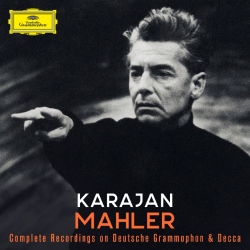
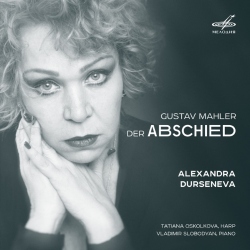
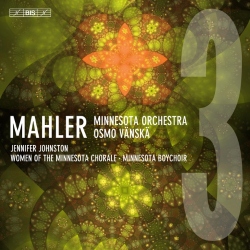

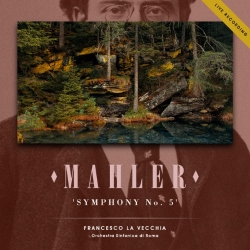


Works Highlight
Recommend Playlist





















Related Artists
Copyright Ⓒ 2013 Davinci Finger. All rights reseved
Service Terms & Policy