


Anton Webern
Released Album
Chamber
-
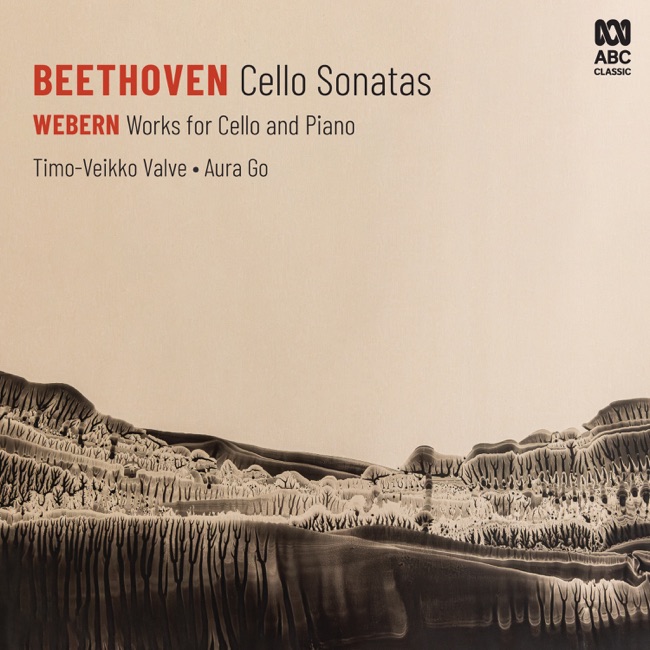 January 19, 2024
 -
 January 19, 2024
 -
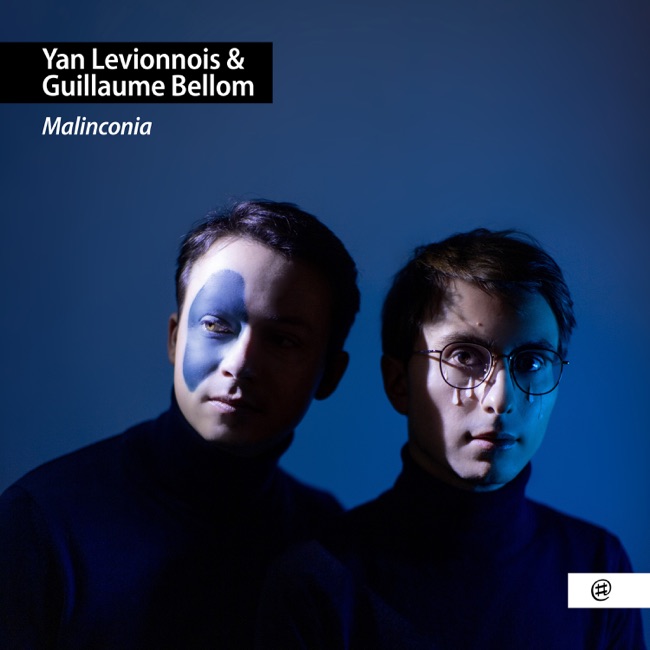 May 19, 2023
 -
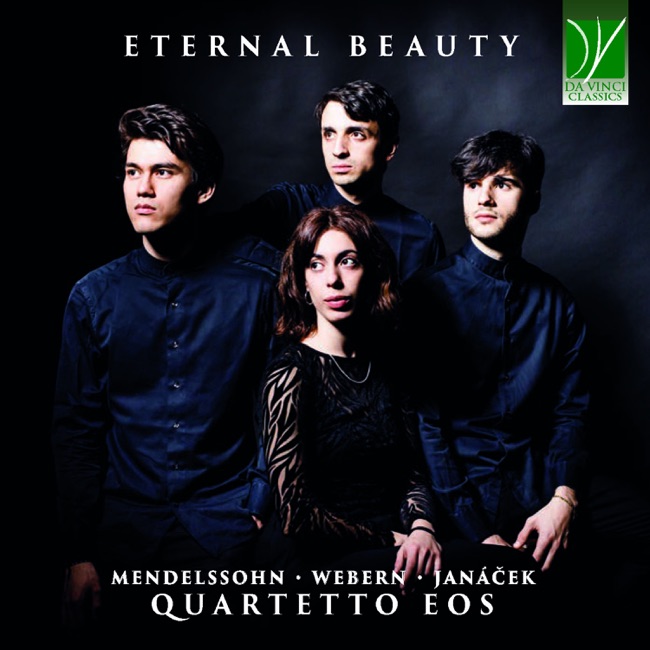 March 24, 2023
 -
-
Orchestral
-
-
-
-
 November 4, 2022
 -
 September 29, 2021
 -
 February 9, 2020
Keyboard
-
 October 12, 2024
 -
 December 8, 2023
 -
 July 7, 2023
 -
 April 7, 2023
 -
 September 21, 2022
 -
 June 1, 2022
Vocal
-

-
 August 20, 2021
 -
-
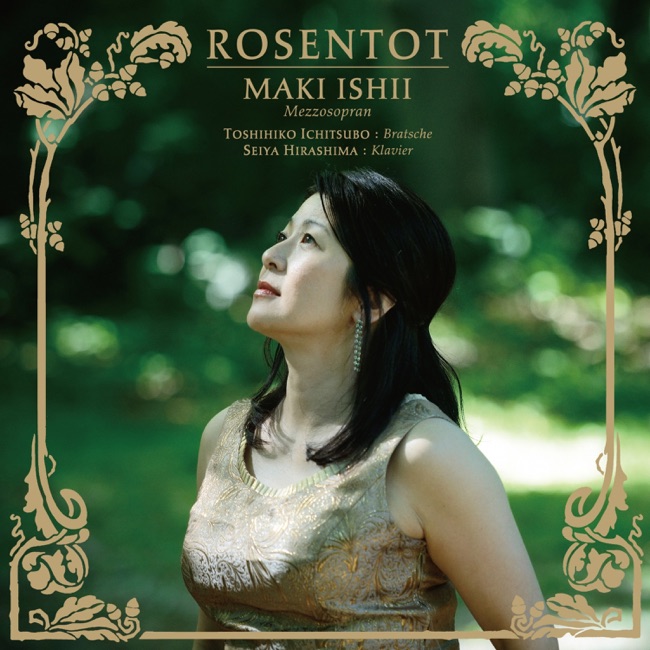 November 16, 2018
 -
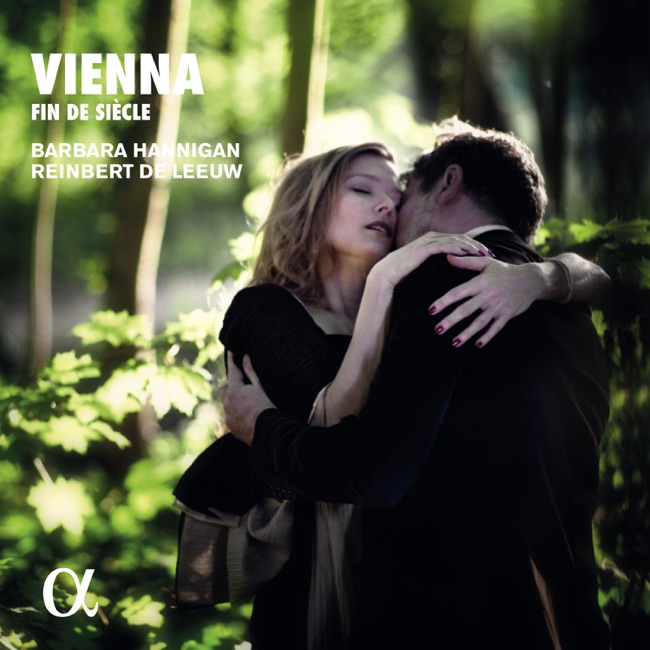 September 14, 2018
 -
 July 13, 2018
Artist Info
Role:Composer ConductorCountry: AustriaBirth:December 3, 1883 in Vienna, AustriaDeath:September 15, 1945 in Mittersill, AustriaPeriod:ModernGenre:ChamberOrchestralVocalAnton Webern was a prominent Austrian composer and conductor of the 20th century. He was born on December 3, 1883, in Vienna, Austria, to a middle-class family. His father, Carl, was a successful civil servant, and his mother, Amelie, was a talented pianist who introduced Anton to music at an early age. Webern's musical education began at the age of six when he started taking piano lessons from his mother. He showed exceptional talent and was soon enrolled in the Vienna Conservatory, where he studied composition with Arnold Schoenberg and counterpoint with Robert Fuchs. Webern was a diligent student and quickly became one of Schoenberg's most promising pupils. In 1904, Webern graduated from the conservatory with honors and began his career as a conductor. He worked as an assistant conductor at the Vienna Court Opera and later became the conductor of the Vienna Workers' Symphony Orchestra. During this time, he also continued to compose and develop his unique style of atonal music. Webern's early works were heavily influenced by Schoenberg's twelve-tone technique, which he used to create complex and dissonant harmonies. His first major composition, the Passacaglia for Orchestra, was premiered in 1908 and received critical acclaim. This work established Webern as a leading figure in the Second Viennese School, a group of composers that included Schoenberg and Alban Berg. In 1911, Webern married Wilhelmine Mörtl, and the couple had four children. Despite his growing family, Webern continued to compose and conduct, and his reputation as a composer continued to grow. He was appointed the conductor of the Vienna Workers' Choral Society in 1918 and later became the conductor of the Vienna State Opera. Webern's music continued to evolve throughout the 1920s and 1930s. He began to experiment with new forms and techniques, including serialism, which he used to create intricate and highly structured compositions. His works during this period, such as the Symphony, Op. 21, and the Concerto for Nine Instruments, Op. 24, are considered some of his most important and influential. Despite his success as a composer, Webern struggled financially throughout his life. He relied on the support of his family and friends to continue his work, and he often had to take on additional jobs to make ends meet. In 1934, he was forced to resign from his position at the Vienna State Opera due to political pressure from the Nazi regime. During World War II, Webern's music was banned in Germany, and he was forced to go into hiding. He continued to compose in secret, but his output was limited. After the war, he returned to public life and was appointed the conductor of the Vienna Radio Symphony Orchestra. Tragically, Webern's life was cut short when he was accidentally shot and killed by an American soldier in 1945. He was 61 years old. Despite his untimely death, Webern's music has had a lasting impact on the world of classical music. His innovative use of atonality and serialism paved the way for future generations of composers, and his works continue to be performed and studied today. In conclusion, Anton Webern was a pioneering composer and conductor whose contributions to the world of classical music cannot be overstated. His unique style and innovative techniques have had a lasting impact on the genre, and his works continue to be celebrated and studied by musicians and music lovers around the world.More....
Recent Artist Music
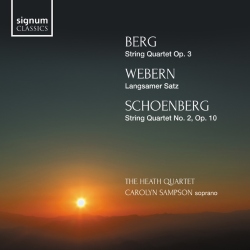
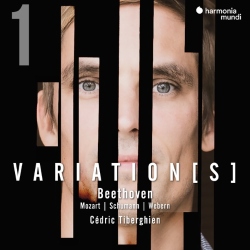
5
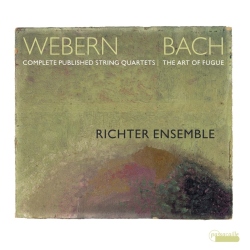
36

7
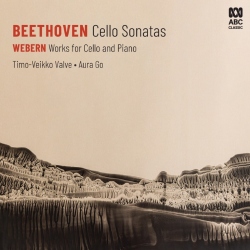
2:0
Works Highlight






Related Artists
Copyright Ⓒ 2013 Davinci Finger. All rights reseved
Service Terms & Policy