


Karlheinz Stockhausen
Released Album
Chamber
-
 February 24, 2023
 -
 May 20, 2022
 -
 December 9, 2020
 -
 December 3, 2019
 -
 February 1, 2019
 -
 January 25, 2019
Keyboard
-
-
 February 10, 2023
 -
 October 1, 2021
 -
 October 1, 2021
 -
 October 1, 2021
 -
 October 1, 2021
Electronic/Computer
-
 February 18, 2022
 -
 October 5, 2018
 -
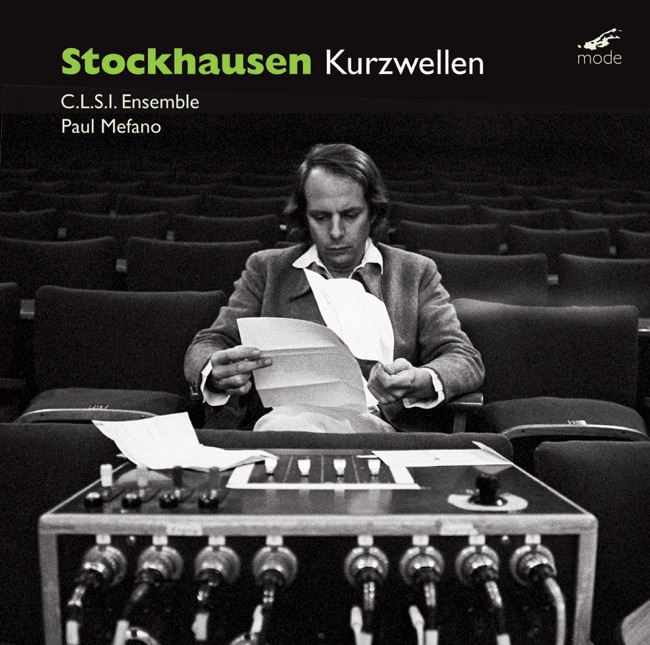 April 20, 2018
 -
 February 17, 2009
 -
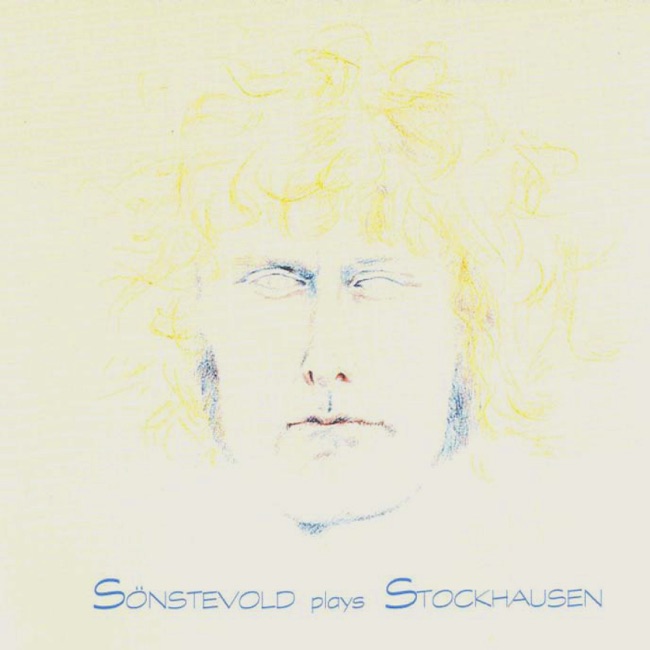 January 30, 2001
 -
 October 1, 1999
Orchestral
-
 July 21, 2009
 -
 May 9, 2006
 -
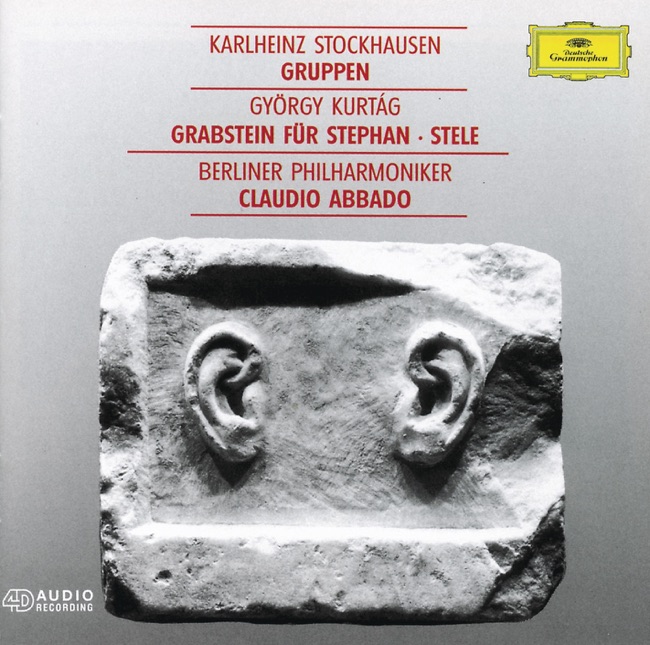 January 1, 1996
Artist Info
Role:Composer Conductor PerformerCountry: GermanyBirth:August 22, 1928 in Mödrath, GermanyDeath:December 5, 2007 in Kürten-Kettenberg, GermanyPeriod:ContemporaryGenre:Avant-GardeChamberKeyboardKarlheinz Stockhausen was a German composer who is widely regarded as one of the most important figures in the development of electronic music and avant-garde classical music in the 20th century. Born on August 22, 1928, in Mödrath, Germany, Stockhausen grew up in a musical family. His father was a schoolteacher and amateur musician, and his mother was a singer and pianist. From an early age, Stockhausen showed a talent for music, and he began playing the piano and violin at the age of six. Stockhausen's formal musical education began at the age of 16, when he enrolled at the Hochschule für Musik in Cologne. There, he studied composition with the renowned composer and music theorist Hermann Schroeder. After completing his studies, Stockhausen worked as a freelance composer and music teacher, and he also played the piano in jazz bands and dance orchestras. In the early 1950s, Stockhausen became interested in electronic music, and he began experimenting with tape recorders and other electronic equipment. In 1953, he joined the electronic music studio at the Westdeutscher Rundfunk (WDR) in Cologne, where he worked with other pioneering electronic musicians such as Herbert Eimert and Gottfried Michael Koenig. Stockhausen's early electronic works, such as "Gesang der Jünglinge" (1956), "Kontakte" (1958-60), and "Mikrophonie I" (1964), were groundbreaking in their use of electronic sounds and techniques. These works often featured complex, multi-layered textures and intricate rhythms, and they were highly influential in the development of electronic music in the decades that followed. In addition to his work in electronic music, Stockhausen also composed a number of works for traditional instruments and ensembles. One of his most famous works in this vein is "Gruppen" (1955-57), a large-scale work for three orchestras that is often regarded as one of the most important works of the post-war avant-garde. Throughout his career, Stockhausen continued to push the boundaries of what was possible in music, experimenting with new sounds, techniques, and forms. His later works, such as "Licht" (1977-2003), a cycle of seven operas that explores the themes of love, death, and spirituality, are among the most ambitious and complex works in the classical music repertoire. Despite his many achievements, Stockhausen was not without controversy. His comments about the September 11 attacks in 2001, in which he referred to them as "the greatest work of art imaginable for the whole cosmos," were widely criticized and led to his being dropped from a number of music festivals and events. Stockhausen died on December 5, 2007, at the age of 79. His legacy as a composer and innovator in the field of electronic and avant-garde music continues to be felt today, and his influence can be heard in the work of countless composers and musicians around the world.More....
Recent Artist Music
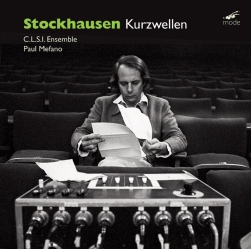







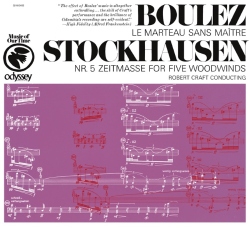
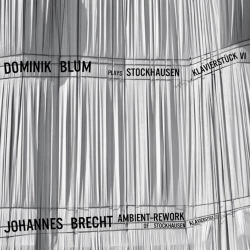

14

11:26





Related Artists
Copyright Ⓒ 2013 Davinci Finger. All rights reseved
Service Terms & Policy