


Earle Brown
Released Album
Keyboard
-
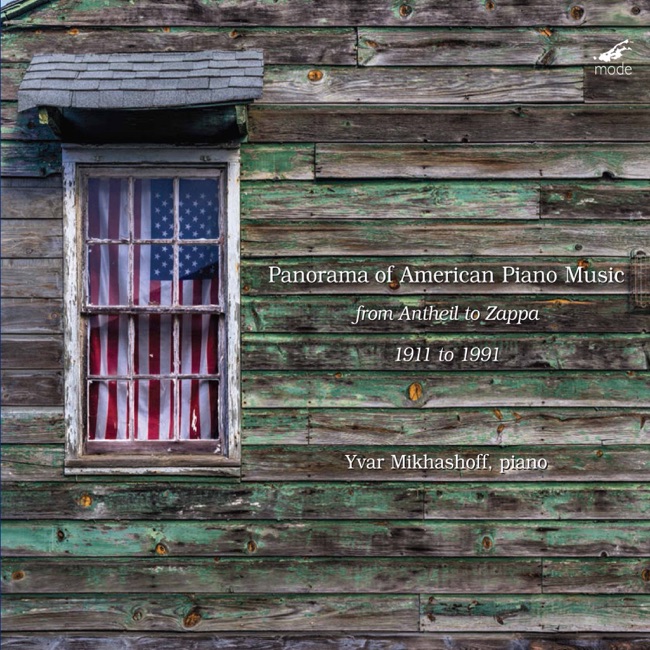 November 19, 2013
 -
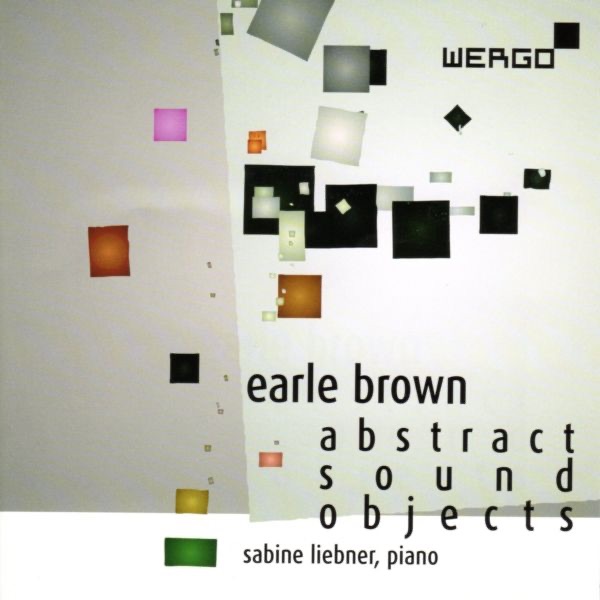 May 7, 2012
 -
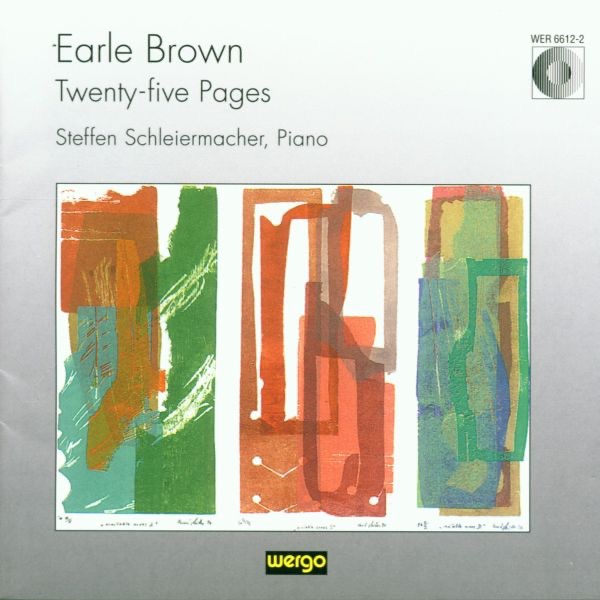 October 21, 2011
 -
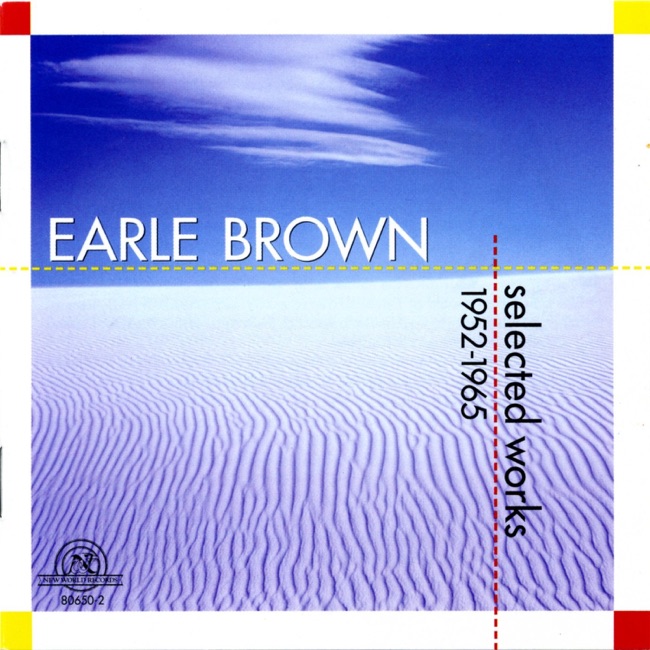 August 22, 2006
 -
 January 14, 1997
 -
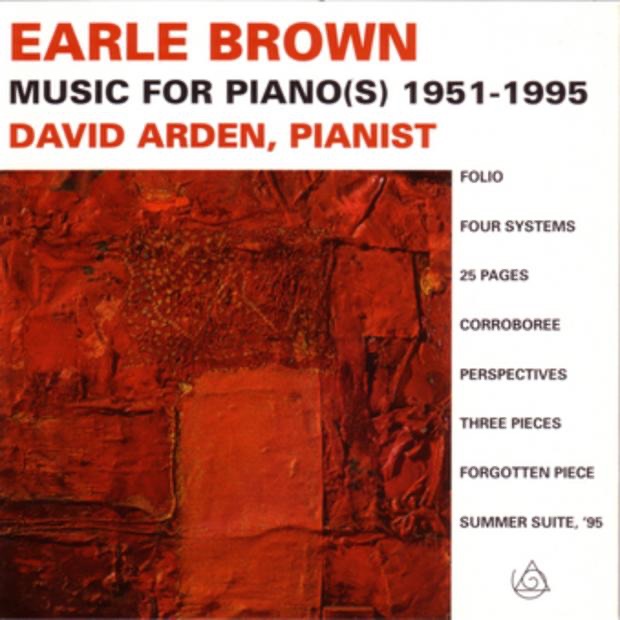 January 1, 1996
Chamber
-
 November 30, 2010
 -
 November 12, 2002
 -
 October 1, 1999
 -
 September 26, 1995
 -
 1994
1994 -
Electronic/Computer
-
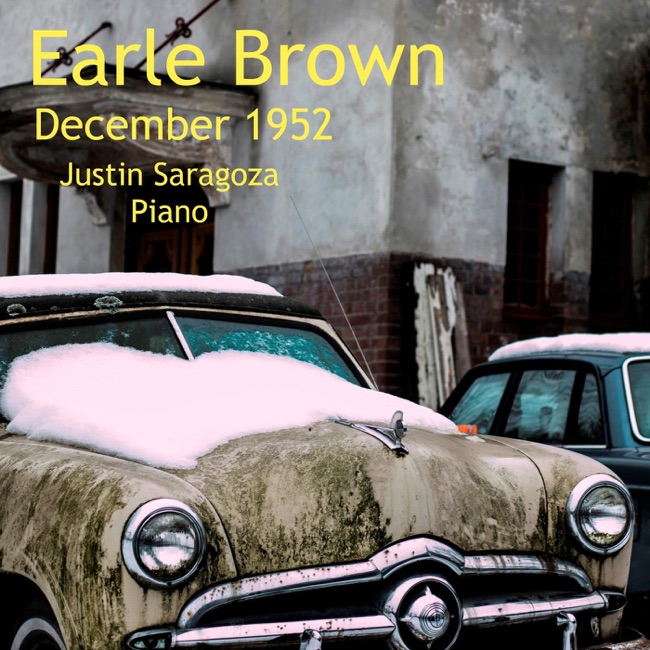 July 7, 2015
Orchestral
-
 1995
1995
Artist Info
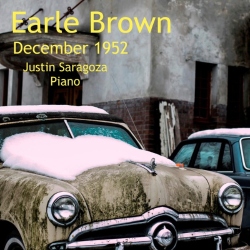
Role:Composer ConductorCountry: United States of AmericaBirth:December 26, 1926 in Lunenburg, MADeath:July 2, 2002 in Rye, NYPeriod:ContemporaryGenre:Avant-GardeEarle Brown was an American composer who was born on December 26, 1926, in Lunenburg, Massachusetts. He was the youngest of three children and grew up in a musical family. His father was a pianist and his mother was a singer, and they both encouraged their children to pursue music. Brown began studying piano at a young age and later took up the trumpet. He attended Northeastern University in Boston, where he studied engineering and music. After serving in the U.S. Army during World War II, he returned to Boston and continued his music studies at the Schillinger House (now the Berklee College of Music). In 1950, Brown moved to New York City and began studying composition with the influential composer and theorist, Henry Cowell. He also became involved with the New York School of composers, which included John Cage, Morton Feldman, and Christian Wolff. These composers were known for their experimental and avant-garde approach to music, and Brown quickly became a key figure in this movement. Brown's early works were influenced by the serialism of Arnold Schoenberg and Anton Webern, but he soon began to develop his own unique style. He was particularly interested in exploring the possibilities of indeterminate music, which allowed for chance and improvisation in the performance of a piece. One of Brown's most famous works is "December 1952," which was composed in collaboration with John Cage and David Tudor. The piece is a graphic score, which means that it is not notated in traditional musical notation but instead uses visual symbols and shapes to indicate the various elements of the composition. The performers are given a set of instructions but are free to interpret the score in their own way, resulting in a unique performance each time the piece is played. Another notable work by Brown is "Four Systems," which was composed in 1954. The piece is scored for four performers, each of whom plays a different instrument (violin, cello, piano, and percussion). The performers are given a set of instructions but are free to choose which notes to play and when to play them, resulting in a constantly changing and unpredictable performance. Brown continued to explore the possibilities of indeterminate music throughout his career, but he also composed more traditional works, including chamber music, orchestral works, and vocal music. He was particularly interested in exploring the relationship between sound and space, and many of his works were designed to be performed in unconventional spaces, such as art galleries and museums. In addition to his work as a composer, Brown was also a respected conductor and educator. He founded the Earle Brown Music Foundation in 1985, which is dedicated to preserving and promoting his music and the music of other avant-garde composers. Earle Brown died on July 2, 2002, in Rye, New York. He left behind a legacy as one of the most innovative and influential composers of the 20th century, whose work continues to inspire and challenge musicians and audiences alike.More....
Recent Artist Music
1
11:35

11
1:45
Copyright Ⓒ 2013 Davinci Finger. All rights reseved
Service Terms & Policy