Earle Brown
December 1952, for electronics
Released Album
Recent Album
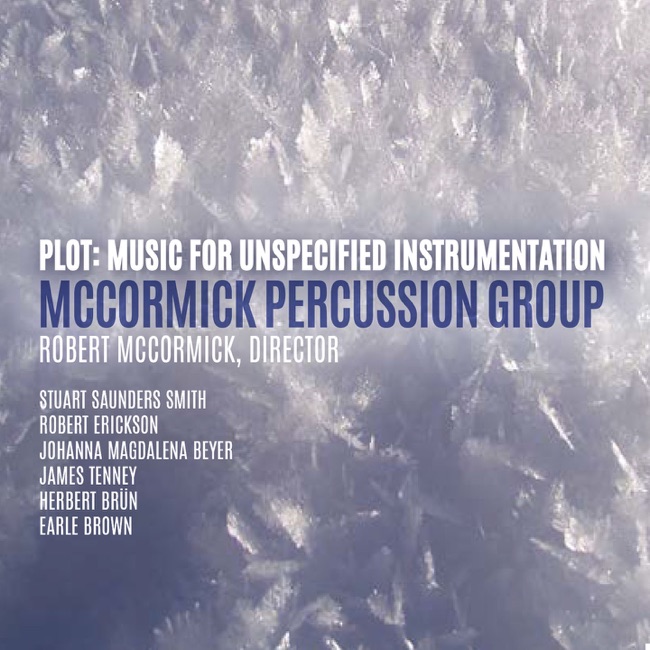

Works Info
Composer:Earle BrownGenre:Electronic/ComputerStyle:Electronic/Computer MusicAverage_duration:3:16"December 1952, for electronics" is a composition by American composer Earle Brown. It was composed in 1952 and premiered on December 10 of the same year at the New School for Social Research in New York City. The piece is divided into three movements, each with its own unique characteristics. The first movement of "December 1952, for electronics" is characterized by its use of high-pitched, piercing tones. These tones are created by manipulating sine waves, which are a type of sound wave with a single frequency. The movement is also notable for its use of silence, which is used to create a sense of tension and anticipation. The second movement of the piece is more rhythmic and features a wider range of sounds. Brown uses a variety of electronic instruments, including tape recorders and oscillators, to create a complex and layered texture. The movement is also notable for its use of repetition, which creates a hypnotic and trance-like effect. The third and final movement of "December 1952, for electronics" is the most chaotic and dissonant of the three. Brown uses a technique called "ring modulation" to create a harsh and abrasive sound. This technique involves multiplying two sound waves together, which creates a new, more complex waveform. The movement is also notable for its use of feedback, which creates a sense of instability and unpredictability. Overall, "December 1952, for electronics" is a groundbreaking work in the field of electronic music. Brown's use of new and innovative techniques, such as sine waves and ring modulation, helped to push the boundaries of what was possible with electronic music at the time. The piece remains a landmark in the history of electronic music and continues to be studied and performed today.More....
Works Music
Released Music