


Morton Feldman
Released Album
Chamber
-
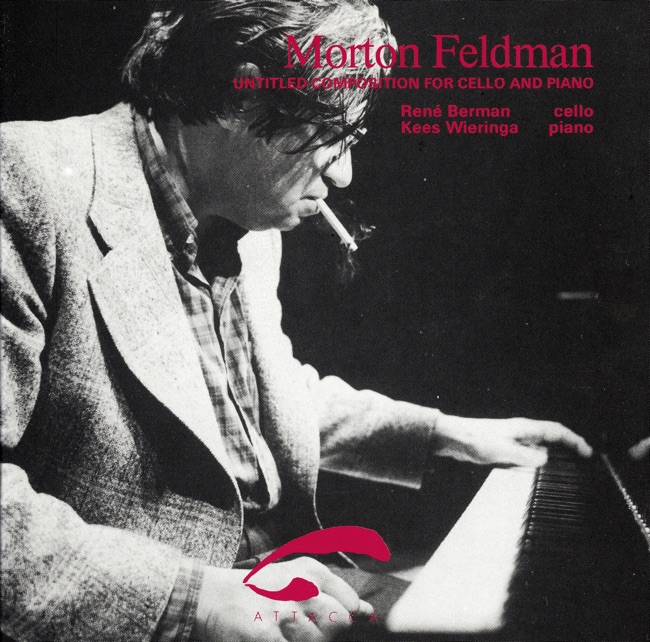 September 13, 2024
 -
 August 16, 2024
 -
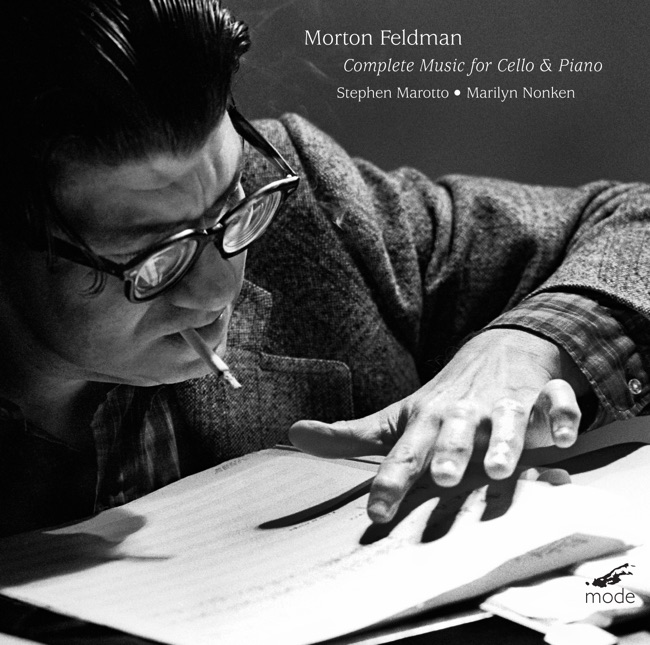 April 19, 2024
 -
 May 20, 2022
 -
 May 13, 2022
 -
 October 11, 2019
Keyboard
-
 January 12, 2024
 -
 November 24, 2023
 -
-
-
 March 9, 2021
 -
 December 11, 2020
Vocal
-
 February 2, 2022
 -
 November 9, 2018
 -
 March 24, 2017
 -
 January 30, 2007
 -
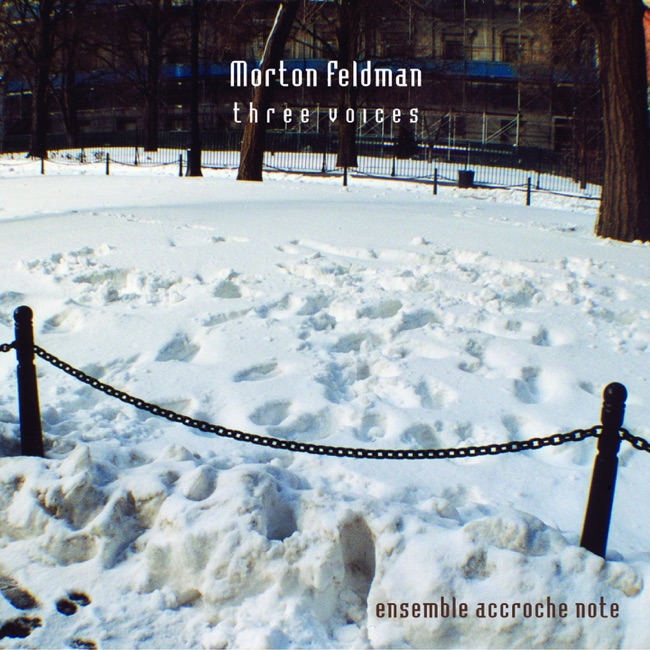 August 2, 2005
 -
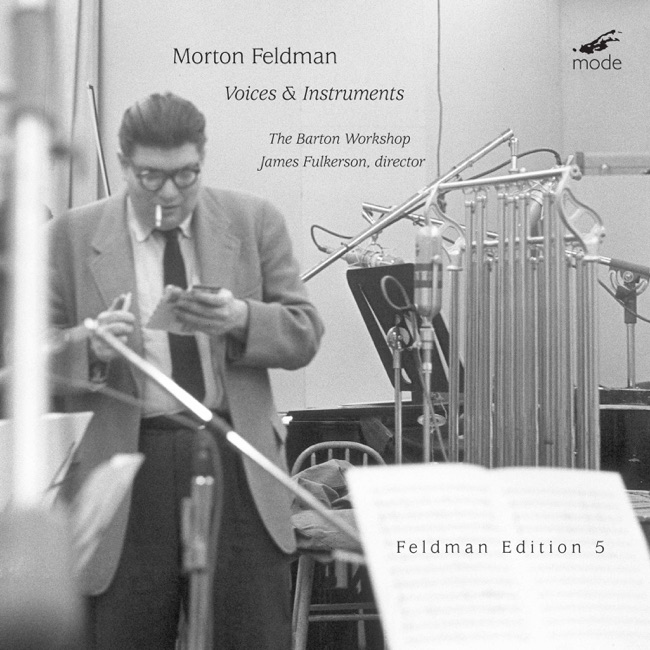 May 21, 2002
Orchestral
-
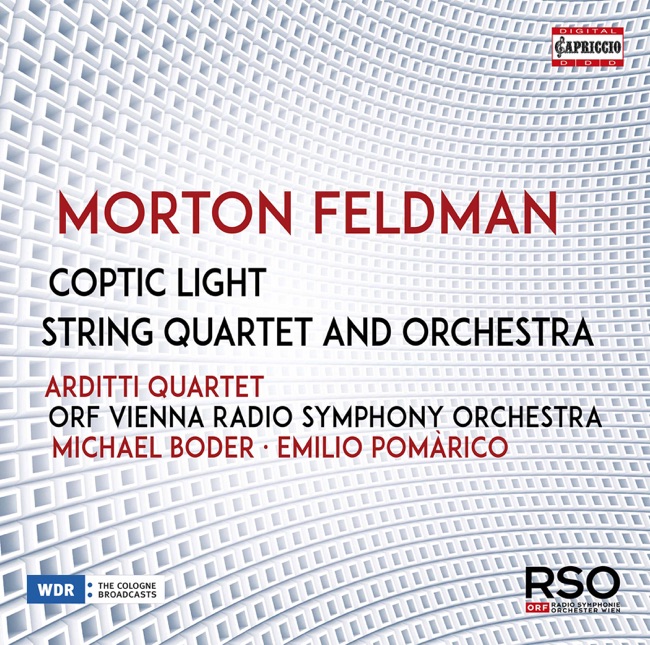
-
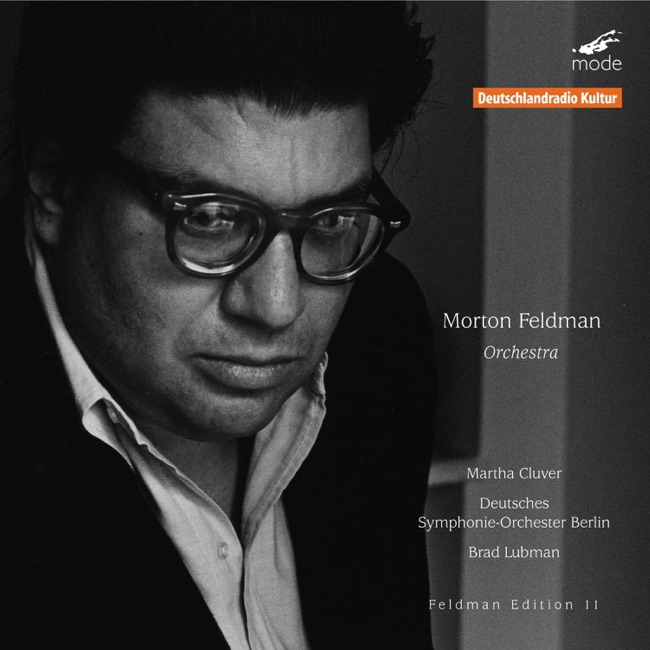 December 5, 2011
 -
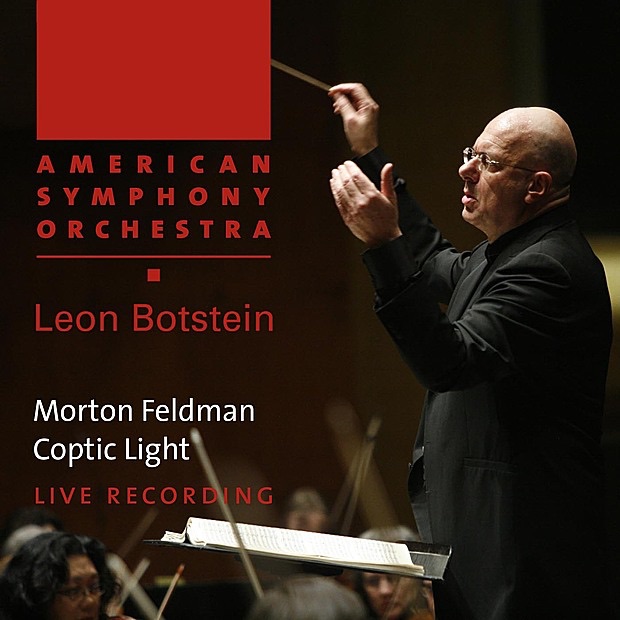 August 19, 2010
Artist Info
Role:Composer ConductorCountry: United States of AmericaBirth:January 12, 1926 in New York City, NYDeath:September 3, 1987 in Buffalo, NYGenre:Avant-GardeChamberKeyboardVocalMorton Feldman was an American composer born on January 12, 1926, in Woodside, Queens, New York City. He was the youngest of three children born to Russian-Jewish immigrants. His father was a manufacturer of children's coats, and his mother was a homemaker. Feldman's family was not particularly musical, but he showed an early interest in music and began taking piano lessons at the age of six. Feldman attended the New York City public schools and later studied composition with Wallingford Riegger and Stefan Wolpe. He also studied piano with Madame Maurina-Press, a Russian émigré who had been a student of Sergei Rachmaninoff. In 1949, Feldman met John Cage, who became a major influence on his music. Cage introduced Feldman to the ideas of Zen Buddhism and the use of chance operations in composition. Feldman's early works were influenced by the serialism of Arnold Schoenberg and Anton Webern, but he soon began to develop his own style. His music became more spacious and contemplative, with long, sustained tones and a focus on timbre and texture. He also began to use chance operations in his compositions, allowing the performers to make decisions about the order and duration of the notes. One of Feldman's most important works is "Rothko Chapel," a piece he composed in 1971 for the Rothko Chapel in Houston, Texas. The chapel was designed by the artist Mark Rothko, who created a series of large, abstract paintings for the space. Feldman's music was intended to be played in the chapel as a kind of sonic counterpart to Rothko's paintings. The piece is scored for viola, celesta, percussion, and choir, and it features long, sustained tones and a sense of spaciousness and stillness. Another important work by Feldman is "For Philip Guston," a piece he composed in 1984 for the painter Philip Guston, who was a close friend of Feldman's. The piece is scored for flute, piano, and percussion, and it features long, sustained tones and a sense of quiet introspection. Feldman said that the piece was inspired by Guston's paintings, which he described as "funny, sad, and beautiful." Feldman's music is often associated with the New York School of composers, which also included John Cage, Earle Brown, and Christian Wolff. The New York School was known for its experimental approach to composition and its use of chance operations and indeterminacy. Feldman's music was also influenced by the visual arts, particularly the work of abstract expressionist painters like Rothko and Guston. Feldman died on September 3, 1987, in Buffalo, New York, at the age of 61. He left behind a body of work that is highly regarded for its originality, beauty, and contemplative quality. His music continues to be performed and recorded by musicians around the world, and it remains an important part of the contemporary classical repertoire.More....
Recent Artist Music
3
7:41
7
24:56


Related Artists
Copyright Ⓒ 2013 Davinci Finger. All rights reseved
Service Terms & Policy