


Erik Satie
Released Album
Keyboard
-
 October 18, 2024
 -
 October 11, 2024
 -
 October 5, 2024
 -
 October 4, 2024
 -
 September 27, 2024
 -
 September 27, 2024
Vocal
-
-
 January 30, 2024
 -
 December 15, 2023
 -
 November 21, 2023
 -
 July 7, 2023
 -
 May 22, 2023
Orchestral
-
-
 December 18, 2020
 -
 November 30, 2020
Ballet
-
 December 9, 2022
 -
 March 4, 2022
 -
-
 April 24, 2021
 -
 March 30, 2021
 -
 December 17, 2020
Artist Info
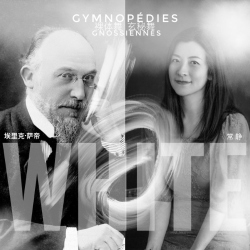
Role:ComposerCountry: FranceBirth:May 17, 1866 in Honfleur, FranceDeath:July 1, 1925 in Paris, FrancePeriod:ContemporaryModernGenre:KeyboardErik Satie was a French composer and pianist who was born on May 17, 1866, in Honfleur, Normandy, France. He was the son of a ship's captain and a Scottish mother. Satie's early life was marked by tragedy, as his mother died when he was just six years old. He was sent to live with his grandparents in Normandy, where he began to show an interest in music. Satie's musical education began at the age of 12, when he was sent to study at the Paris Conservatory. However, he was not a good student and was eventually expelled for "lack of effort." Satie then began to study on his own, immersing himself in the works of composers such as Bach, Beethoven, and Chopin. In the late 1880s, Satie began to compose his own music, which was characterized by its simplicity and lack of ornamentation. His early works included pieces for piano, such as the Gymnopédies and Gnossiennes, which would become some of his most famous compositions. Satie's music was not well-received by the musical establishment of the time, who found it too unconventional and lacking in traditional structure. However, Satie's music began to gain a following among the avant-garde artists and writers of Paris, who were drawn to his unique style and eccentric personality. In 1891, Satie became involved with the Rosicrucian movement, a mystical and philosophical group that sought to explore the spiritual aspects of art and music. This experience had a profound influence on Satie's music, and he began to incorporate mystical and esoteric themes into his compositions. In 1911, Satie collaborated with the Ballets Russes, a ballet company led by the famous choreographer Sergei Diaghilev. Satie composed the music for the ballet Parade, which was a groundbreaking work that combined elements of music, dance, and visual art. The ballet was not well-received by audiences at the time, but it is now considered a landmark work of 20th-century art. Satie continued to compose music throughout his life, but he remained a relatively obscure figure until the 1960s, when his music was rediscovered by a new generation of musicians and composers. Today, Satie is recognized as one of the most important and influential composers of the 20th century, and his music continues to inspire and captivate audiences around the world.More....
Recent Artist Music



5
3:39



14
3:39

Works Highlight
Recommend Playlist





















Related Artists
Copyright Ⓒ 2013 Davinci Finger. All rights reseved
Service Terms & Policy