


Christian Wolff
Released Album
Chamber
-
 January 25, 2019
 -
 March 16, 2018
 -
-
 March 24, 2017
 -
-
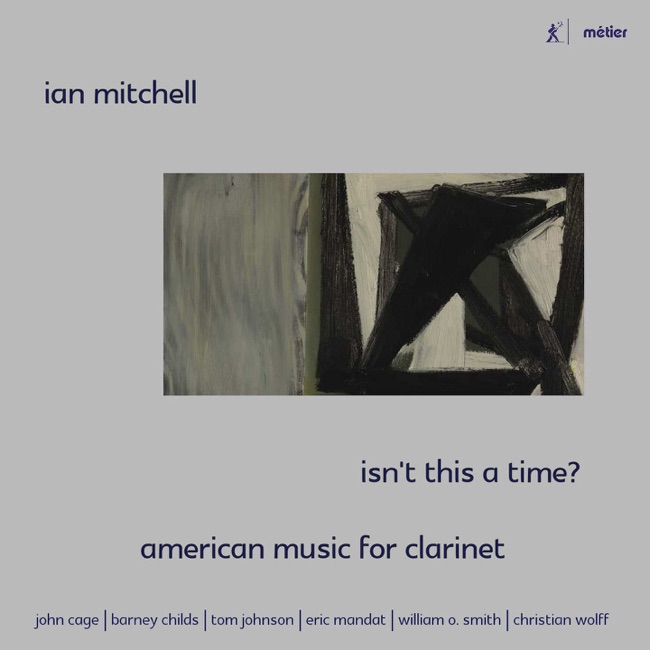 September 11, 2015
Keyboard
-
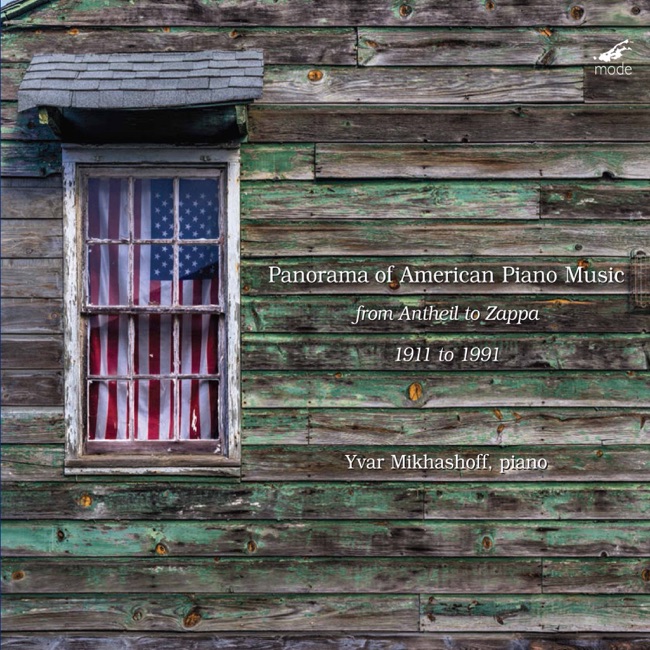 November 19, 2013
 -
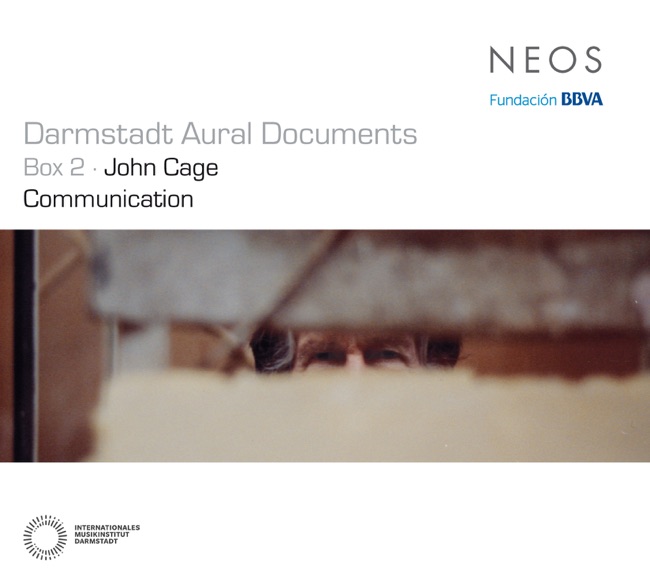 October 30, 2012
 -
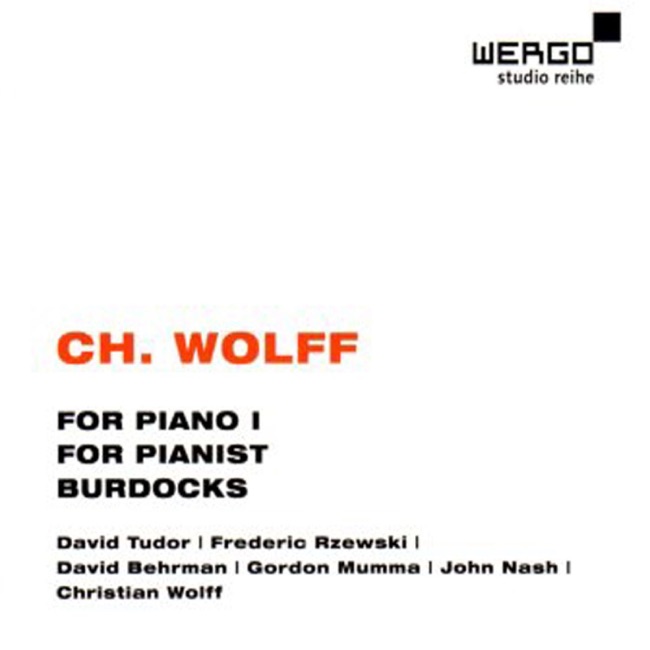 August 27, 2012
 -
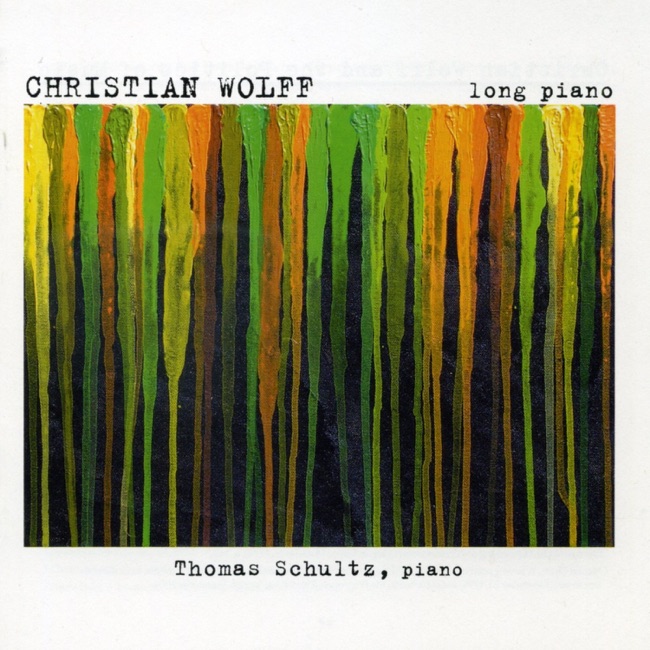 November 10, 2009
 -
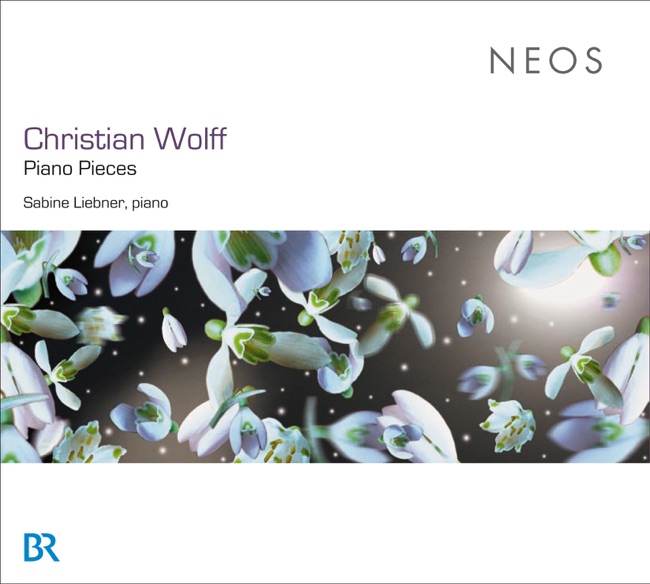 May 27, 2008
 -
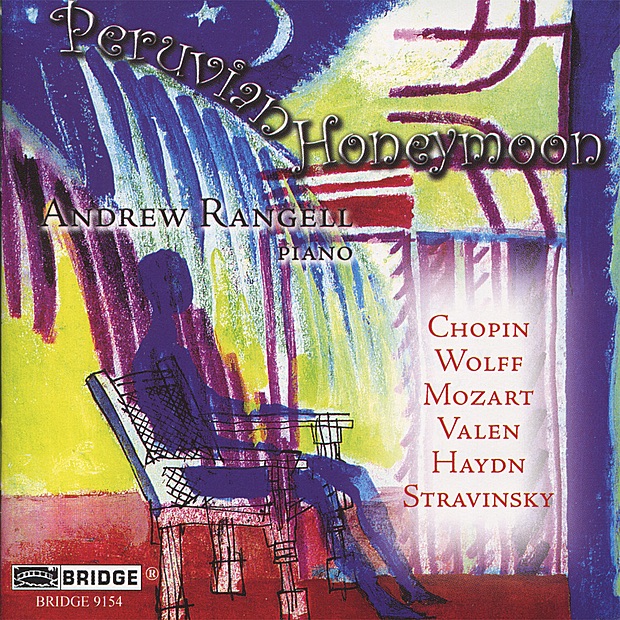 September 28, 2004
Artist Info
Role:ComposerCountry: United States of AmericaBirth:March 8, 1934 in Nice, FranceGenre:Avant-GardeChamberChristian Wolff is a renowned American composer and music theorist who was born on March 8, 1934, in Nice, France. He is known for his contributions to the field of experimental music and his unique approach to composition, which often involves the use of indeterminate or open-ended musical notation. Wolff's parents were both German Jews who had fled to France to escape persecution. In 1941, the family emigrated to the United States, settling in New York City. Wolff began studying music at an early age, taking piano lessons and later studying composition with John Cage and Earle Brown at the New School for Social Research. In the 1950s, Wolff became associated with the New York School of composers, a group that included Cage, Brown, Morton Feldman, and others. He was particularly influenced by Cage's ideas about chance and indeterminacy in music, and began incorporating these concepts into his own compositions. One of Wolff's earliest works, "For Prepared Piano," was written in 1951 and involved placing various objects on the strings of a piano to alter its sound. This technique would become a hallmark of his later work, as he continued to experiment with unconventional methods of sound production. In the 1960s, Wolff became involved with the Fluxus movement, a group of artists and musicians who sought to break down the boundaries between art and everyday life. He collaborated with Fluxus artists such as Nam June Paik and George Brecht, and his compositions often incorporated elements of performance art and audience participation. One of Wolff's most famous works from this period is "Burritt Variations," a piece for any number of performers that was first performed in 1960. The piece consists of a series of short musical fragments that can be played in any order, with the performers free to choose their own tempo and dynamics. This open-ended approach to composition would become a hallmark of Wolff's work, as he continued to explore the possibilities of indeterminate notation. In the 1970s, Wolff began teaching at Dartmouth College, where he would remain for over 20 years. He continued to compose during this time, and his work became increasingly political and socially engaged. One of his most famous works from this period is "Burdocks," a piece for any number of performers that was inspired by the anti-war movement of the 1960s. "Burdocks" consists of a series of short musical fragments that are interspersed with spoken texts and instructions for the performers. The piece is intended to be performed in public spaces, and the performers are encouraged to interact with their surroundings and with members of the audience. Wolff's later work continued to explore the possibilities of indeterminate notation, but also incorporated elements of traditional musical forms such as the sonata and the concerto. One of his most famous works from this period is "Stones," a piece for any number of performers that was first performed in 1991. "Stones" consists of a series of short musical fragments that are based on the sounds of stones being struck together. The performers are free to choose their own tempo and dynamics, but the piece also includes traditional musical notation for certain sections. Throughout his career, Wolff has been recognized for his contributions to the field of experimental music. He has received numerous awards and honors, including a Guggenheim Fellowship and a MacArthur Fellowship.More....
Recent Artist Music
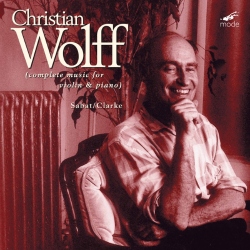
12
11:2

Copyright Ⓒ 2013 Davinci Finger. All rights reseved
Service Terms & Policy