Earle Brown
Pieces (3) For Piano
Released Album
Recent Album
Works Info
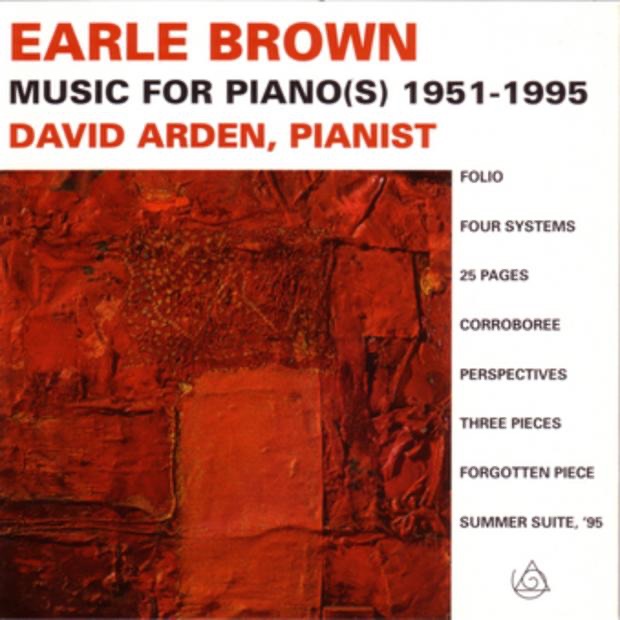
Composer:Earle BrownGenre:KeyboardStyle:KeyboardCompose Date:1951Earle Brown's 'Pieces (3) For Piano' is a composition that was written in 1952. The piece was premiered in the same year at the New School for Social Research in New York City. The composition consists of three movements, each with its own unique characteristics. The first movement of 'Pieces (3) For Piano' is titled "October." This movement is characterized by its use of dissonant harmonies and irregular rhythms. The piece begins with a series of rapid, staccato notes that create a sense of urgency. The melody then shifts to a slower, more contemplative pace, with the left hand playing a series of sustained chords while the right hand plays a simple, repetitive melody. The movement ends with a return to the frenetic pace of the opening. The second movement of the composition is titled "November." This movement is characterized by its use of extended techniques, such as playing the strings inside the piano and using the sustain pedal to create a sense of resonance. The piece begins with a series of soft, delicate notes that gradually build in intensity. The melody then shifts to a more dissonant, angular sound, with the left hand playing a series of rapid, staccato notes while the right hand plays a series of sustained chords. The movement ends with a return to the soft, delicate sound of the opening. The third and final movement of 'Pieces (3) For Piano' is titled "December." This movement is characterized by its use of complex rhythms and harmonies. The piece begins with a series of rapid, syncopated notes that create a sense of tension. The melody then shifts to a slower, more contemplative pace, with the left hand playing a series of sustained chords while the right hand plays a simple, repetitive melody. The movement ends with a return to the frenetic pace of the opening. Overall, 'Pieces (3) For Piano' is a challenging and complex composition that showcases Earle Brown's innovative approach to music. The piece is characterized by its use of dissonant harmonies, irregular rhythms, and extended techniques, and it remains a significant work in the canon of contemporary classical music.More....
Works Music
Released Music