


David Tudor
Released Album
Keyboard
-
-
 August 5, 2016
 -
 November 11, 2014
 -
 October 30, 2012
 -
 August 27, 2012
 -
Chamber
-
-
 November 30, 2010
 -
 November 21, 2006
 -
 August, 1999
 -

Miscellaneous
-
 May 1, 2013
Concerto
-
 February 18, 1997
Artist Info
Role:Composer PerformerCountry: United States of AmericaBirth:January 20, 1926 in Philadelphia, PADeath:August 13, 1996 in Tomkins Cove, NYGenre:Avant-GardeConcertoKeyboardDavid Tudor was an American pianist and composer who was born on January 20, 1926, in Philadelphia, Pennsylvania. He was one of the most influential figures in the development of electronic music and was known for his innovative approach to performance and composition. Tudor began his musical training at an early age, studying piano with Hilda Freeman and composition with Stefan Wolpe. He later attended the Philadelphia Conservatory of Music and the Juilliard School in New York City, where he studied with the renowned pianist and composer, Carl Friedberg. In the early 1950s, Tudor became involved with the New York avant-garde music scene, which was centered around the influential composer John Cage. Tudor and Cage became close collaborators, and Tudor performed in many of Cage's groundbreaking works, including "Music of Changes" and "Concert for Piano and Orchestra." Tudor's own compositions were also highly experimental and often involved the use of electronic instruments and live electronics. One of his most famous works is "Rainforest IV," which was created in collaboration with the artist David Behrman and involved the use of various electronic devices and natural sounds. Throughout his career, Tudor was known for his virtuosic piano playing and his ability to bring a sense of spontaneity and improvisation to his performances. He was also a highly sought-after performer and worked with many of the leading composers of his time, including Pierre Boulez, Karlheinz Stockhausen, and Earle Brown. One of Tudor's most memorable performances was his 1958 premiere of Cage's "Variations II," which involved the use of a series of random operations to determine the structure and content of the piece. Tudor's performance was highly improvisational and involved him moving around the stage, manipulating various objects, and even playing the piano with his elbows and feet. Tudor also received numerous awards and honors throughout his career, including a Guggenheim Fellowship in 1967 and a MacArthur Fellowship in 1984. He was also a member of the American Academy of Arts and Sciences and was awarded an honorary doctorate from the California Institute of the Arts in 1992. Despite his many accomplishments, Tudor remained a humble and dedicated musician throughout his life. He continued to perform and compose until his death on August 13, 1996, in Tomkins Cove, New York. His legacy as a pioneering figure in the world of electronic music and experimental performance continues to inspire musicians and artists around the world.More....
Recent Artist Music
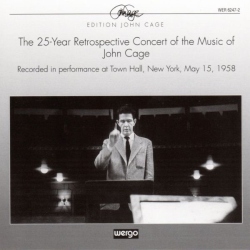
2

30:5
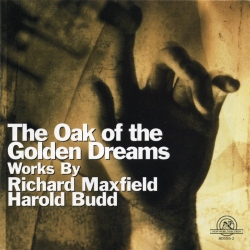
4
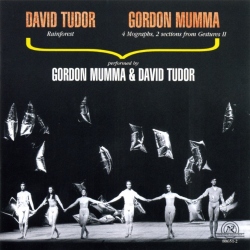
20:3
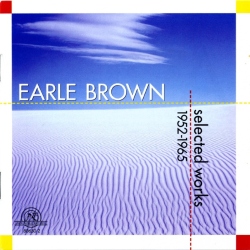
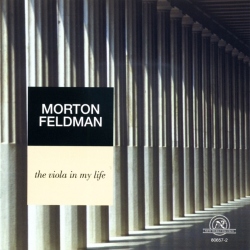
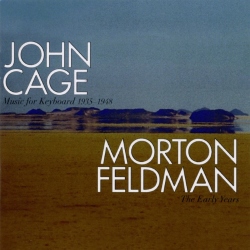
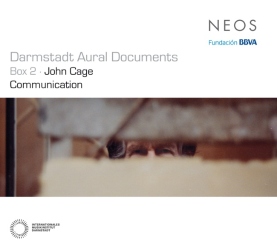
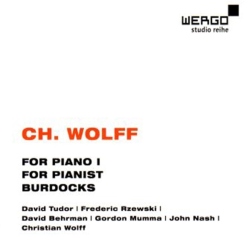

12
Concert, for piano & orchestra, for piano & 13 other instruments in any combination
Concert for Piano and Orchestra
26:7


Copyright Ⓒ 2013 Davinci Finger. All rights reseved
Service Terms & Policy