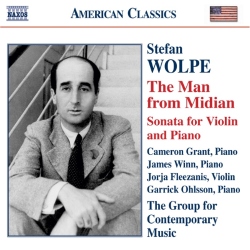
Stefan Wolpe
Sonata for violin & piano, C. 117
Released Album
Recent Album
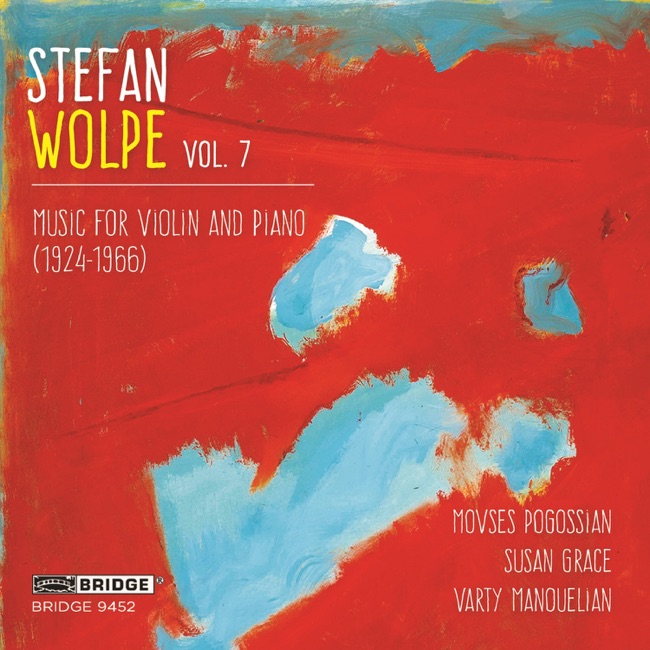
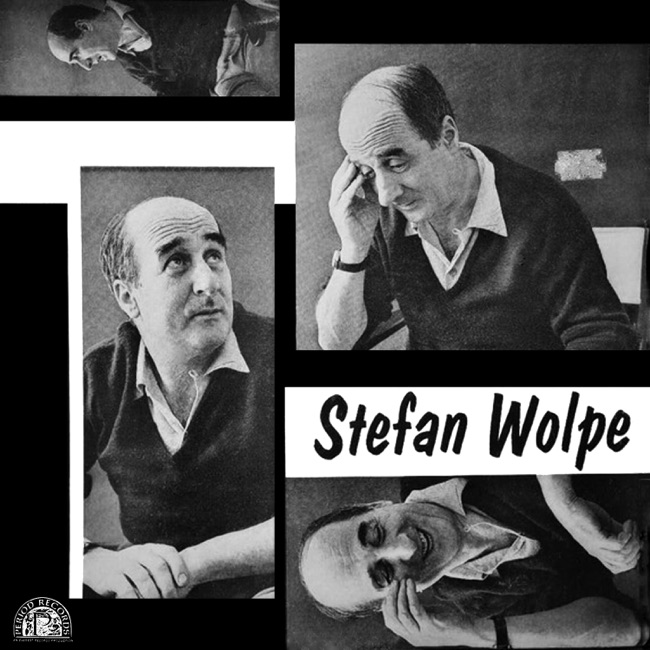
Featured Album
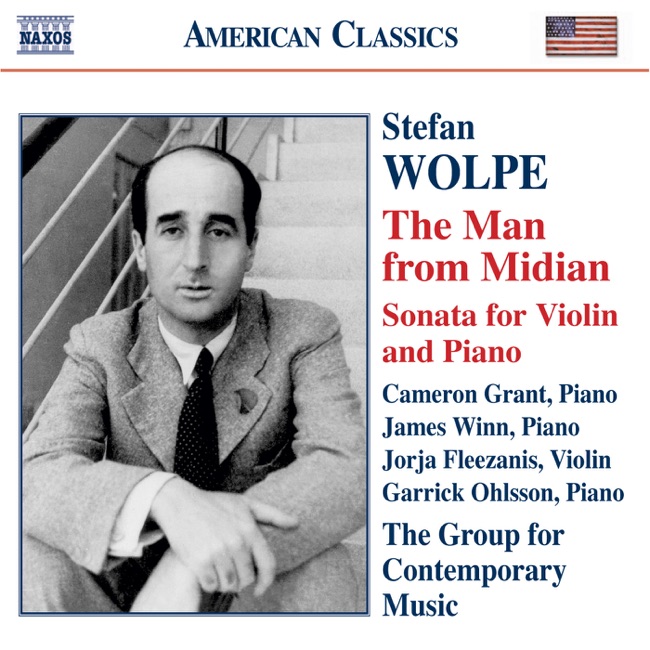

Works Info
Composer:Stefan WolpeGenre:ChamberStyle:Sonata: ChamberCompose Date:Jun 20, 1949 - Aug 22, 1949Publication Date:1955Average_duration:26:58Movement_count:4Movement ....Stefan Wolpe's Sonata for violin and piano, C. 117, was composed in 1950 and premiered in New York City in 1951. The piece is divided into three movements, each with its own distinct character and style. The first movement, marked "Allegro moderato," begins with a lively and rhythmic piano introduction, followed by the violin's entrance with a lyrical and expressive melody. The two instruments engage in a lively dialogue, with the violin often taking on a more virtuosic role. The movement is characterized by its energetic and playful nature, with frequent changes in tempo and mood. The second movement, marked "Lento," is a stark contrast to the first. It opens with a mournful and introspective violin solo, accompanied by sparse and haunting piano chords. The violin's melody is full of longing and melancholy, and the piano's accompaniment adds to the sense of isolation and despair. The movement gradually builds in intensity, with the violin and piano engaging in a more intense and dissonant dialogue before fading away into silence. The final movement, marked "Allegro con fuoco," is a fiery and virtuosic tour-de-force for both instruments. The movement opens with a frenzied and rhythmic piano introduction, followed by the violin's entrance with a fast and intricate melody. The two instruments engage in a complex and challenging dialogue, with frequent changes in tempo and mood. The movement is characterized by its technical demands and virtuosic flourishes, with both instruments pushing each other to their limits. Overall, Wolpe's Sonata for violin and piano, C. 117, is a challenging and complex work that showcases the virtuosity and expressive capabilities of both instruments. The piece is characterized by its frequent changes in tempo and mood, as well as its use of dissonance and complex harmonies. Despite its technical demands, the piece is also full of emotion and expressiveness, with each movement exploring a different aspect of the human experience.More....
Works Music
Released Music
Featured Music