John Cage
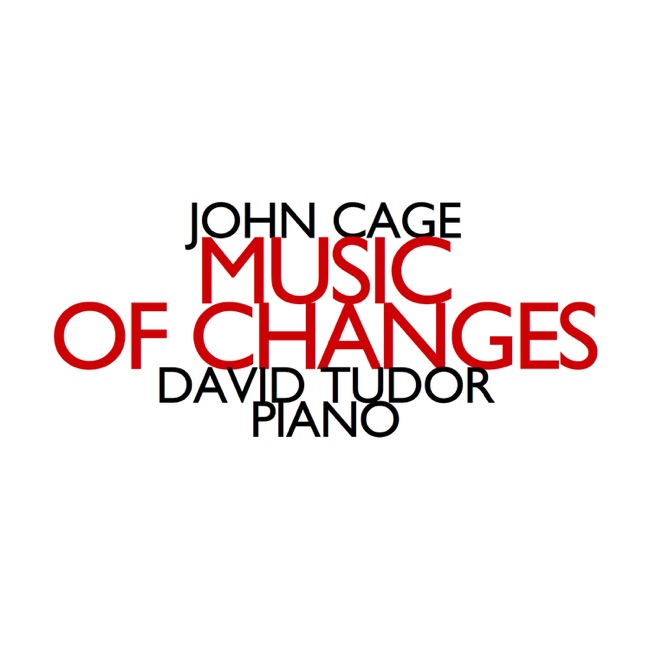
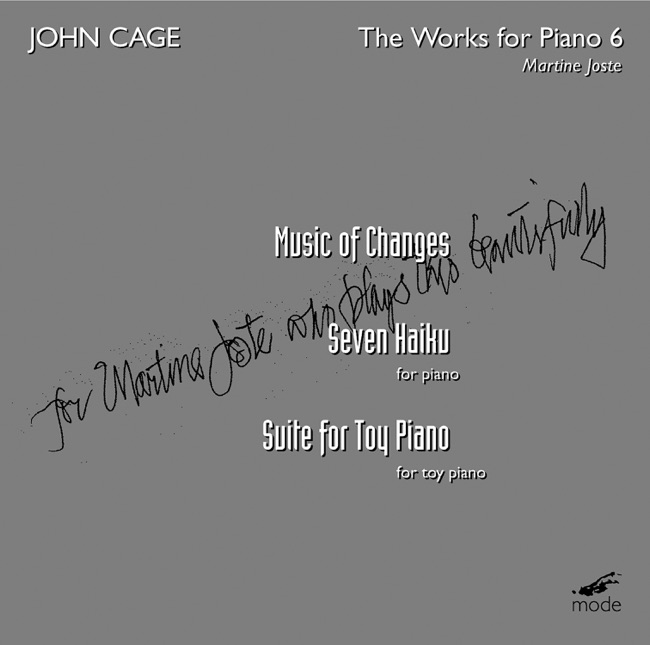
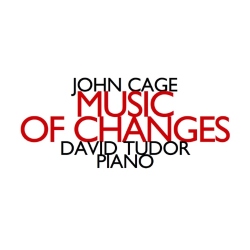
Music of Changes
Released Album
Recent Album


Featured Album
Works Info
Composer:John CageGenre:KeyboardStyle:Open FormCompose Date:1951Average_duration:38:15Movement_count:4Movement ....Music of Changes is a composition by John Cage, an American composer, philosopher, and writer. It was composed in 1951 and premiered on December 6, 1951, at the Maverick Concert Hall in Woodstock, New York. The piece is considered one of Cage's most important works and is a significant example of his use of chance operations in composition. The composition consists of four movements, each of which is divided into sections. The first movement has 25 sections, the second has 16, the third has 36, and the fourth has 64. The sections are notated using a system of graphic symbols that Cage developed, which allows for a high degree of indeterminacy in the performance. The use of chance operations in Music of Changes is a defining characteristic of the piece. Cage used the I Ching, an ancient Chinese divination text, to determine many of the musical decisions in the composition. He would ask a question, such as "What note should be played next?" and then consult the I Ching to determine the answer. This process allowed for a high degree of unpredictability in the music, as the decisions were not made by the composer but by chance. Another characteristic of Music of Changes is its use of silence. Cage believed that silence was an essential element of music and incorporated it into many of his compositions. In Music of Changes, there are several sections where the performer is instructed to remain silent for a certain amount of time. The instrumentation of Music of Changes is also notable. The piece is scored for solo piano, and Cage used a variety of extended techniques to create new sounds from the instrument. These techniques include playing the strings directly, plucking the strings, and using the sustain pedal to create a continuous sound. Overall, Music of Changes is a groundbreaking composition that pushed the boundaries of what was considered music at the time. Its use of chance operations, silence, and extended techniques paved the way for many experimental composers who followed in Cage's footsteps.More....
Works Music
Released Music
2

8:15

Featured Music