John Cage
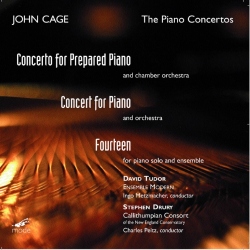
Concert, for piano & orchestra, for piano & 13 other instruments in any combination
Released Album
Recent Album
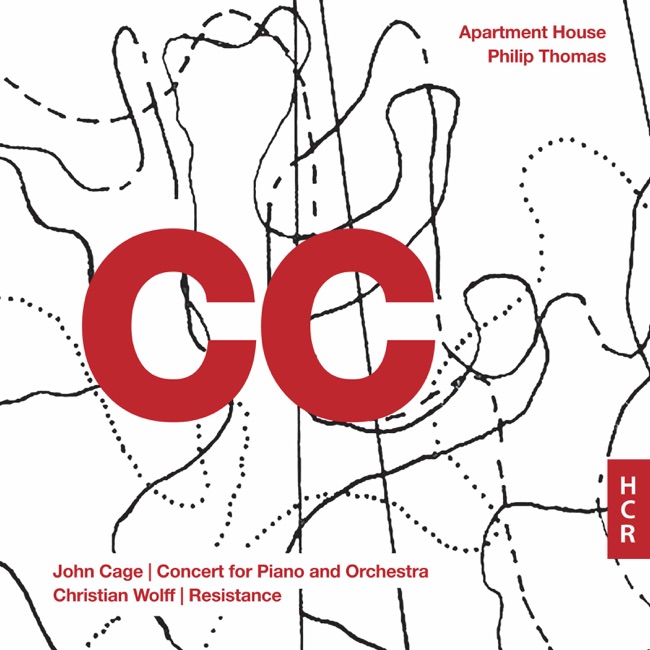
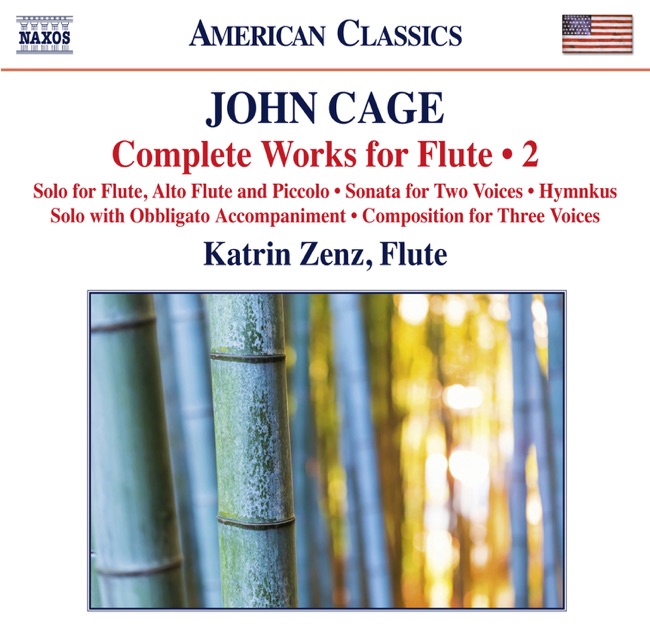
Featured Album
Works Info
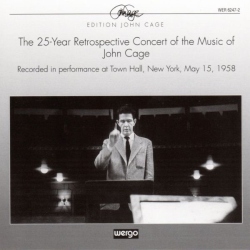
Composer:John CageGenre:ConcertoStyle:ConcertoCompose Date:1957 - 1958Average_duration:26:19John Cage's Concert for Piano and Orchestra is a groundbreaking work that premiered on May 15, 1958, in New York City. The piece is composed for a solo piano and 13 other instruments in any combination, and it is divided into four movements. The first movement, marked "Allegro," is characterized by a lively and energetic tempo. The piano and the other instruments engage in a playful dialogue, with the piano often leading the way. The movement is full of unexpected twists and turns, with sudden changes in dynamics and rhythm. The second movement, marked "Largo," is a stark contrast to the first. It is slow and contemplative, with the piano playing long, sustained notes while the other instruments provide a gentle accompaniment. The movement is marked by a sense of stillness and introspection. The third movement, marked "Allegro," returns to the lively tempo of the first. This movement is more complex than the first, with the piano and the other instruments engaging in a more intricate and layered dialogue. The movement is marked by a sense of urgency and excitement. The final movement, marked "Largo," is a return to the contemplative mood of the second. The piano and the other instruments play long, sustained notes, creating a sense of spaciousness and tranquility. The movement gradually fades away, leaving the listener with a sense of peacefulness and calm. One of the most striking characteristics of Concert for Piano and Orchestra is its use of chance operations. Cage used a variety of techniques to determine the order and duration of the notes played by the piano and the other instruments. This creates a sense of unpredictability and spontaneity, as the performers are never quite sure what will happen next. Overall, Concert for Piano and Orchestra is a groundbreaking work that pushed the boundaries of what was possible in classical music. Its use of chance operations and unconventional instrumentation paved the way for a new generation of composers and performers.More....
Works Music
Released Music
1
Concert, for piano & orchestra, for piano & 13 other instruments in any combination
Concert for piano and orchestra
22:52
2
8:47
3
Concert, for piano & orchestra, for piano & 13 other instruments in any combination
Concert for Piano and Orchestra
53:8
4
5:19
5
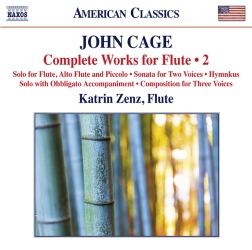
Concert, for piano & orchestra, for piano & 13 other instruments in any combination
Solo for Flute, Alto Flute and Piccolo
15:6
6
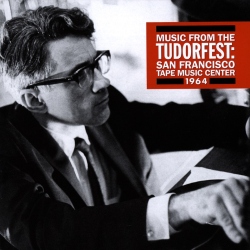
Concert, for piano & orchestra, for piano & 13 other instruments in any combination
Concert for Piano and Orchestra
26:7
7
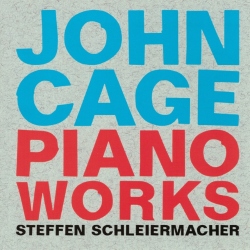
30:52
8
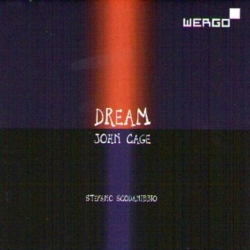
15:32
9
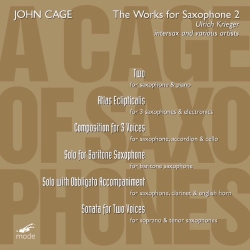
Concert, for piano & orchestra, for piano & 13 other instruments in any combination
Solo for Baritone Saxophone (from pages 145-166 of the orchestral parts of Concert for Piano & Orch
12:2
10
26:26
Featured Music