


Olivier Messiaen
Released Album
Keyboard
-
 May 31, 2024
 -
 April 17, 2024
 -
 March 31, 2024
 -
 March 22, 2024
 -
-
 December 10, 2023
Chamber
-
 January 31, 2024
 -
 December 1, 2023
 -
 November 30, 2023
 -
 September 15, 2023
 -
 July 7, 2023
 -
 May 5, 2023
Vocal
-
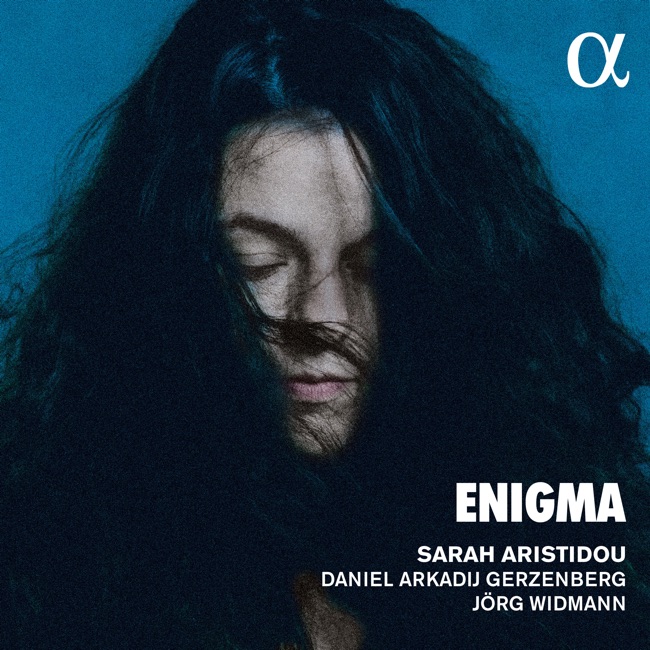 November 3, 2023
 -
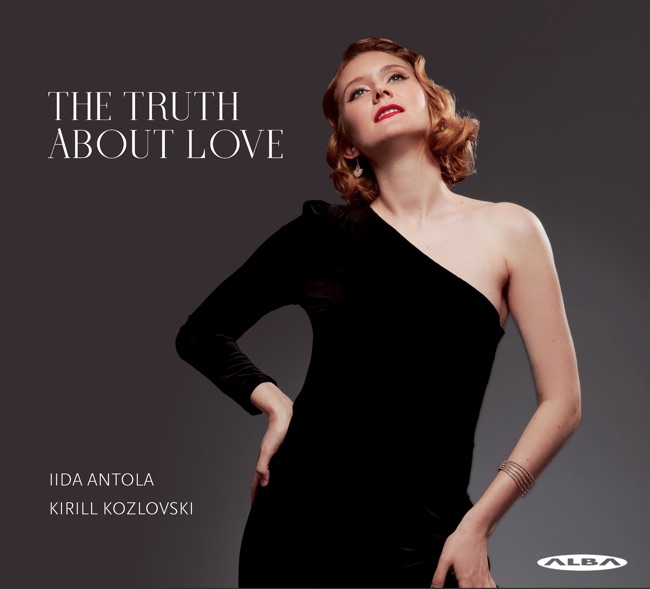 March 19, 2023
 -
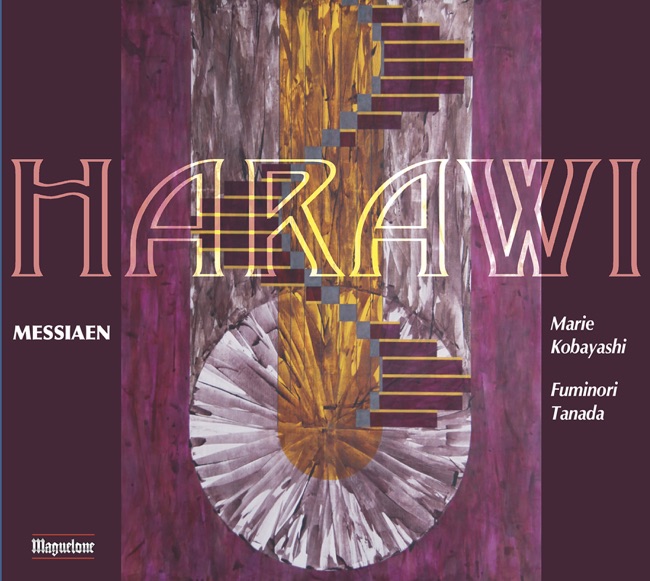 November 18, 2022
 -
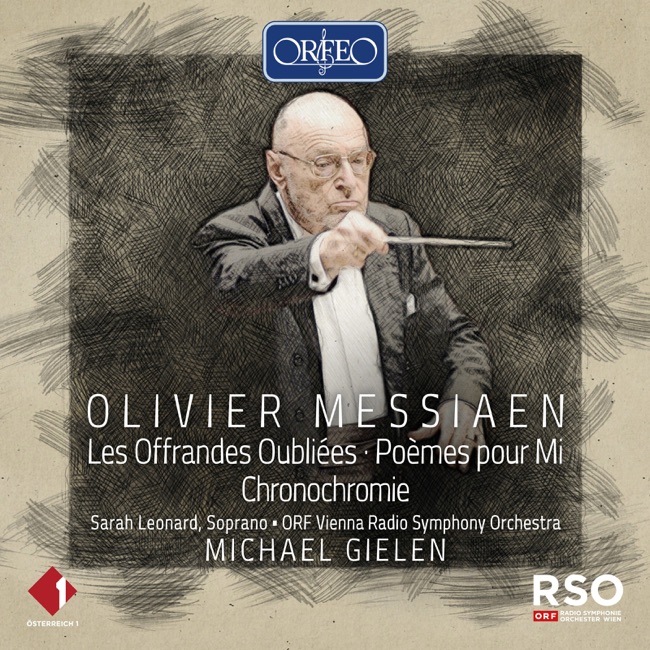
-
 January 13, 2022
 -
Orchestral
-
 November 17, 2023
 -
 July 20, 2023
 -
 August 12, 2022
 -
 January 31, 2022
 -
-
Artist Info
Role:ComposerCountry: FranceBirth:December 10, 1908 in Avignon, FranceDeath:April 27, 1992 in Clichy-sous-Bois, Seine-Saint-Denis, FrancePeriod:ContemporaryModernGenre:ChamberKeyboardOlivier Messiaen was a French composer, organist, and teacher who was born on December 10, 1908, in Avignon, France. He was the son of Cécile Sauvage, a poet, and Pierre Messiaen, a teacher of English. Messiaen showed an early interest in music and began studying the piano at the age of seven. He also showed an interest in ornithology, which would later influence his music. Messiaen studied at the Paris Conservatoire, where he won first prize in harmony, counterpoint, and fugue. He also studied with the composer Paul Dukas and the organist Marcel Dupré. Messiaen was appointed organist at the Église de la Sainte-Trinité in Paris in 1931, a position he held until his death in 1992. Messiaen's music is characterized by its use of complex rhythms, harmonies, and melodies. He was also known for his use of birdsong in his compositions. Messiaen believed that birdsong was the most beautiful music in the world and that it was a direct expression of God's creation. One of Messiaen's early works, the "Quartet for the End of Time," was composed while he was a prisoner of war during World War II. The piece was first performed in 1941 in the prisoner-of-war camp where Messiaen was being held. The quartet is scored for clarinet, violin, cello, and piano and is based on the Book of Revelation. The piece is known for its use of complex rhythms and harmonies and its incorporation of birdsong. Messiaen's other notable works include the "Turangalîla-Symphonie," which was composed between 1946 and 1948. The piece is scored for large orchestra and features a solo piano and ondes Martenot, an early electronic instrument. The symphony is known for its use of complex rhythms and harmonies and its incorporation of Indian rhythms and melodies. Messiaen's "Catalogue d'oiseaux" is a collection of thirteen pieces for solo piano that were composed between 1956 and 1958. Each piece is based on a different bird and its song. The collection is known for its use of complex rhythms and harmonies and its incorporation of birdsong. Messiaen was also a prolific composer of organ music. His "Livre du Saint Sacrement" is a collection of eighteen pieces for organ that were composed between 1984 and 1985. The collection is based on the Catholic sacrament of the Eucharist and is known for its use of complex harmonies and rhythms. In addition to his work as a composer, Messiaen was also a respected teacher. He taught at the Paris Conservatoire from 1941 to 1978 and had many notable students, including Pierre Boulez and Karlheinz Stockhausen. Messiaen was awarded many honors during his lifetime, including the Grand Prix National de la Musique in 1967 and the Royal Philharmonic Society Gold Medal in 1975. He was also elected to the Académie des Beaux-Arts in 1968. Messiaen died on April 27, 1992, in Clichy, France. He is remembered as one of the most important composers of the 20th century and his music continues to be performed and studied today.More....
Recent Artist Music
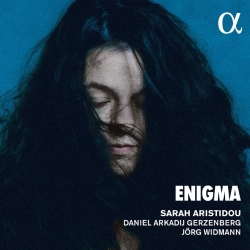
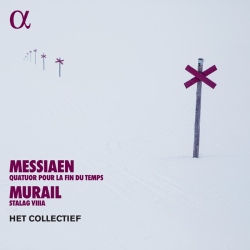
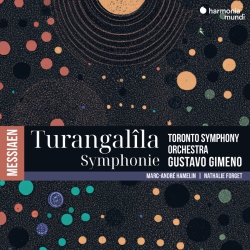
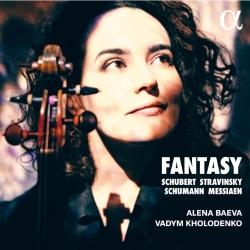
11
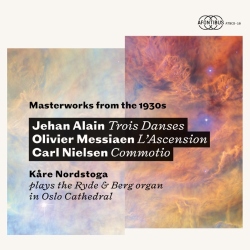
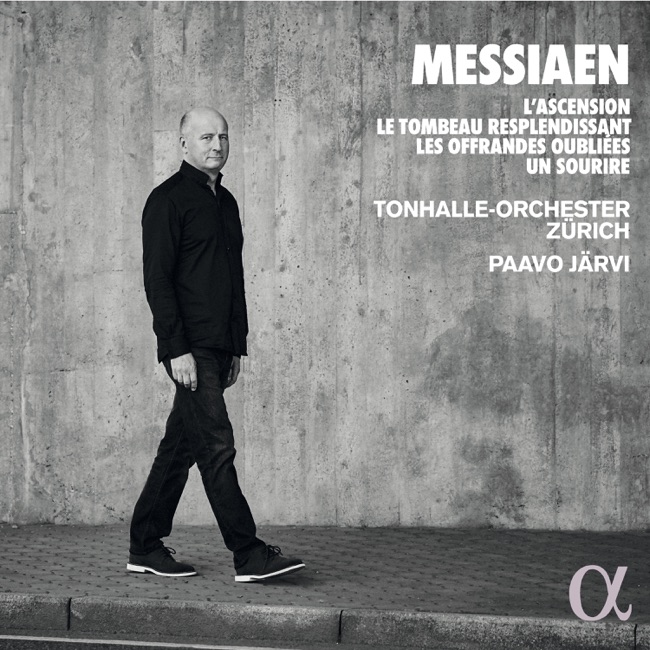
The Ascension, 4 meditations for orchestra, I/12a
II Alléluias sereins d’une âme qui desire le ciel
5:13
Works Highlight
Recommend Playlist














Related Artists
Copyright Ⓒ 2013 Davinci Finger. All rights reseved
Service Terms & Policy