


Olivier Messiaen
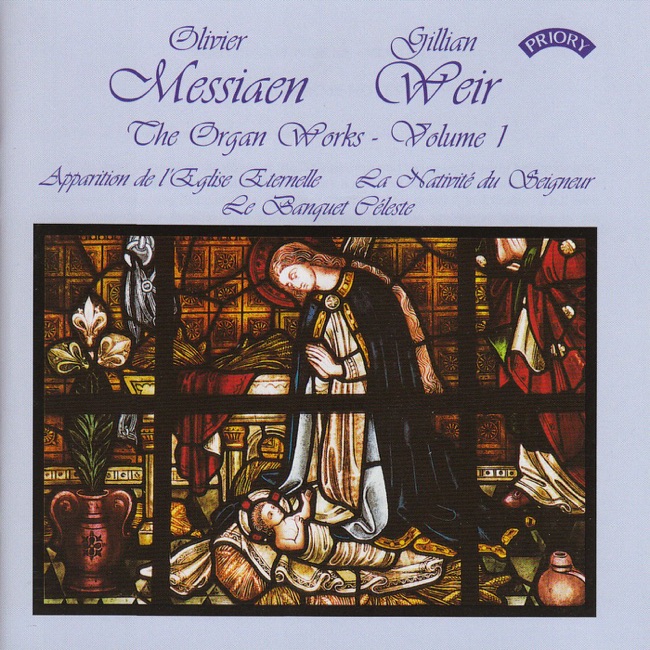
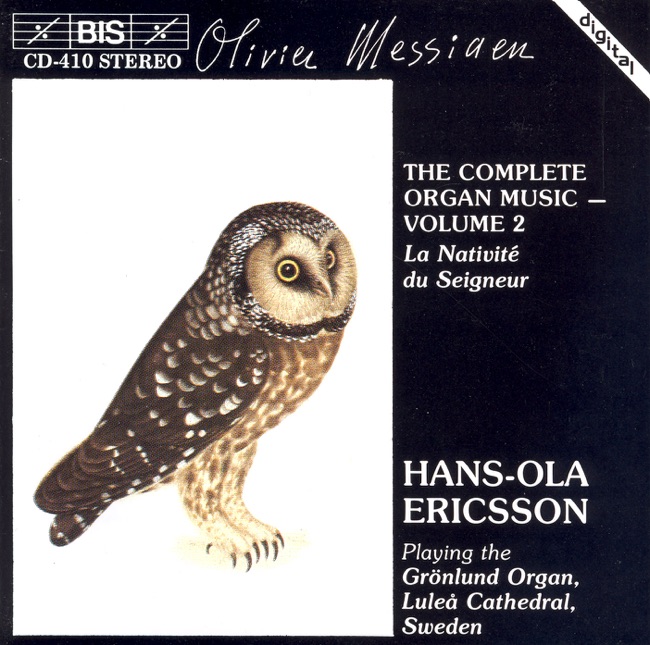
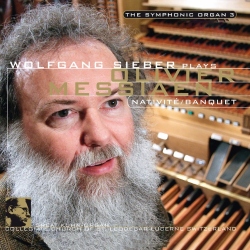
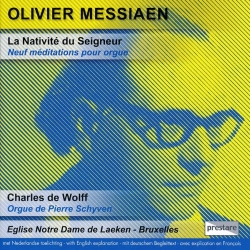
La Nativité du Seigneur (9), I/14
Released Album
Recent Album
Featured Album

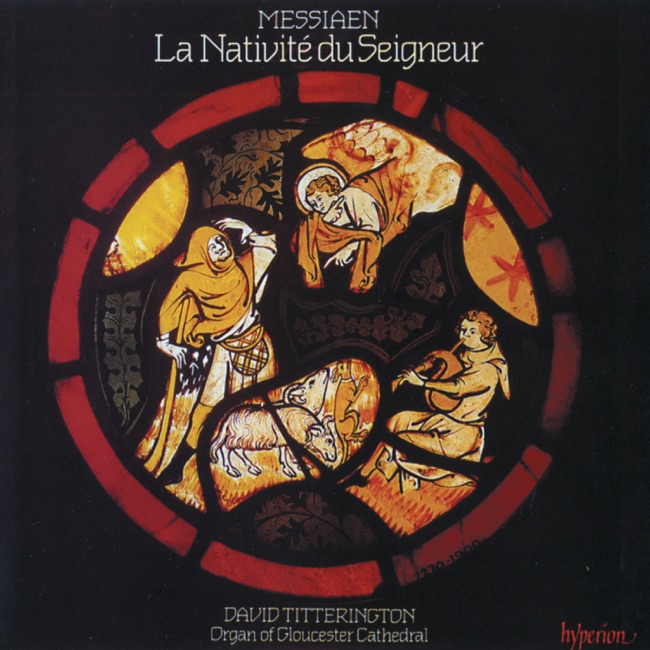
Works Info
Composer:Olivier MessiaenGenre:KeyboardStyle:Open FormCompose Date:1935Average_duration:55:53Movement_count:9Movement ....La Nativité du Seigneur (The Nativity of the Lord) is a nine-movement work for organ composed by Olivier Messiaen in 1935. It was premiered on December 24, 1935, at the Église de la Trinité in Paris, where Messiaen was the organist. The work is considered one of the most important pieces of organ music of the 20th century. The nine movements of La Nativité du Seigneur are: 1. La Vierge et l'Enfant (The Virgin and Child) 2. Les Bergers (The Shepherds) 3. Desseins éternels (Eternal Designs) 4. Le Verbe (The Word) 5. Les Enfants de Dieu (The Children of God) 6. Les Anges (The Angels) 7. Jésus accepte la souffrance (Jesus Accepts Suffering) 8. Les Mages (The Magi) 9. Dieu parmi nous (God Among Us) Each movement of the work is characterized by Messiaen's unique musical language, which combines elements of traditional Western music with influences from Indian classical music, bird song, and his own synesthesia. The music is highly rhythmic and often features complex, asymmetrical meters. The harmonies are often dissonant and colorful, with Messiaen's use of modes of limited transposition and his own system of "added values" creating a unique sound world. The first movement, La Vierge et l'Enfant, is a gentle and lyrical meditation on the Virgin Mary and the baby Jesus. The second movement, Les Bergers, is more lively and features a pastoral theme, evoking the shepherds who visited the baby Jesus. The third movement, Desseins éternels, is a contemplative piece that explores the idea of God's eternal plan. The fourth movement, Le Verbe, is a virtuosic and highly rhythmic piece that celebrates the Word of God. The fifth movement, Les Enfants de Dieu, is a joyful and exuberant piece that celebrates the children of God. The sixth movement, Les Anges, is a mystical and otherworldly piece that evokes the presence of angels. The seventh movement, Jésus accepte la souffrance, is a somber and introspective piece that reflects on Jesus' acceptance of suffering. The eighth movement, Les Mages, is a grand and majestic piece that celebrates the visit of the Magi to the baby Jesus. The final movement, Dieu parmi nous, is a triumphant and joyful piece that celebrates the presence of God among us. Overall, La Nativité du Seigneur is a powerful and deeply spiritual work that showcases Messiaen's unique musical language and his profound religious faith. It remains a beloved and influential work in the organ repertoire.More....
Works Music
Released Music
Featured Music
4
11:18
6
3:40
8
8:35
Main Perform Artists
Organ
Organ
Choir/Chorus
Organ
Choir/Chorus
Choir/Chorus
Organ
Organ