


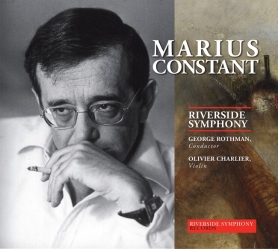
Marius Constant
Released Album
Concerto
-
 May 4, 2015
 -
 November 18, 2014
 -
-
 November, 2006
 -
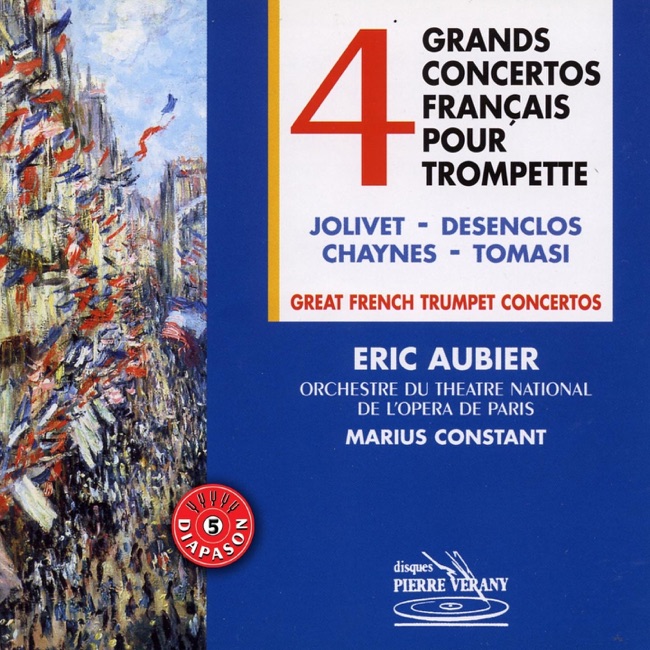 January 15, 1995
 -
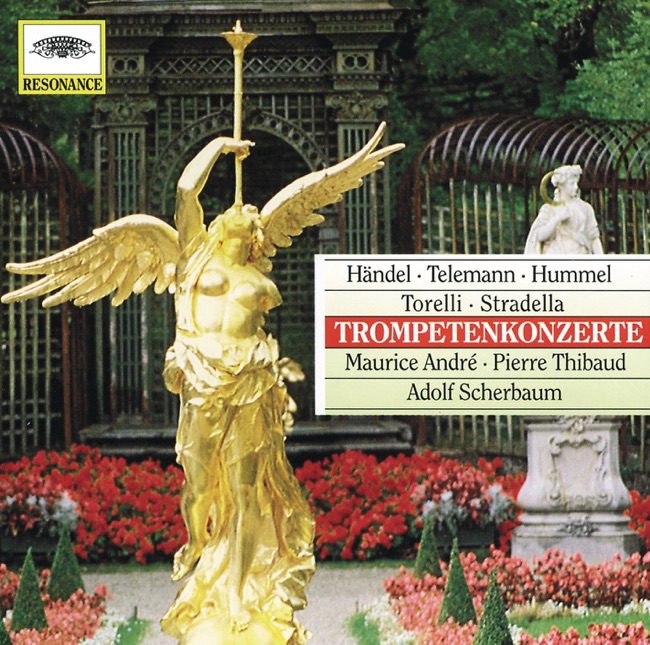 January 1, 1994
Chamber
-
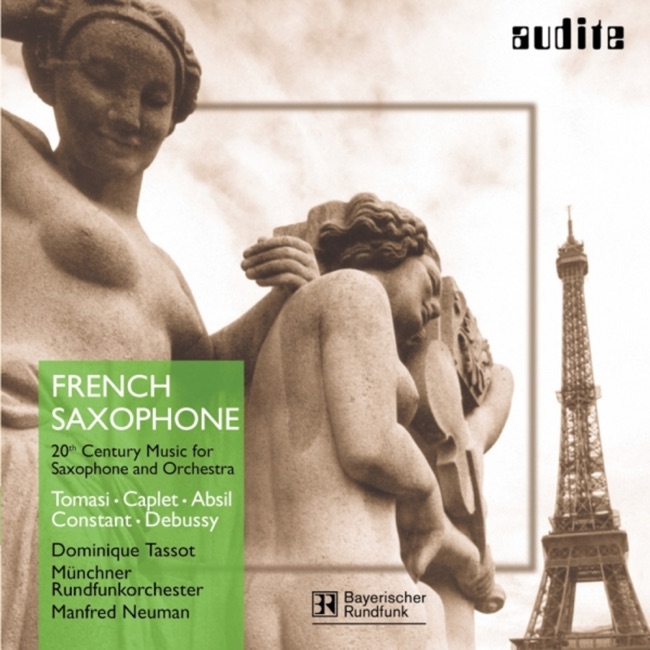
-
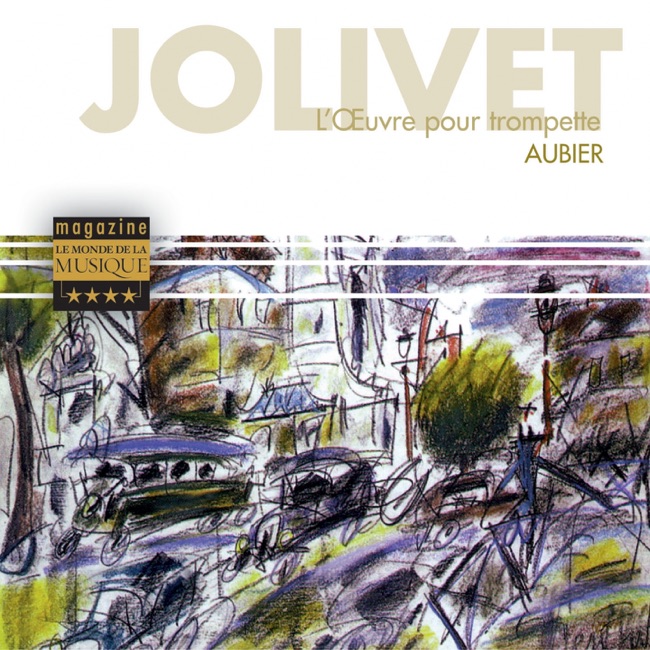 September 22, 2003
 -
 January 1, 2002
 -
 July 24, 2001
 -
 June 1, 1997
Orchestral
-
-
-
 November 1, 2001
Artist Info
Role:Composer ConductorCountry: FranceBirth:February 7, 1925 in Bucharest, RomaniaDeath:May 15, 2004 in Paris, FranceGenre:ChamberConcertoOrchestralMarius Constant was a Romanian-born French composer who is best known for his work in the field of contemporary classical music. He was born on February 7, 1925, in Bucharest, Romania, and grew up in a family of musicians. His father was a violinist, and his mother was a pianist, so it was natural for Marius to develop an interest in music from an early age. Marius began his musical education at the Bucharest Conservatory, where he studied composition, piano, and conducting. He was a talented student and quickly gained recognition for his work. In 1946, he won the George Enescu Prize for composition, which was a significant achievement for a young composer. After completing his studies, Marius moved to Paris in 1948 to continue his musical education. He enrolled at the Conservatoire de Paris, where he studied with Olivier Messiaen, Arthur Honegger, and Darius Milhaud. These composers had a significant influence on Marius's musical style, and he developed a unique approach to composition that blended elements of traditional classical music with modern techniques. Marius's early works were heavily influenced by the avant-garde movement, which was popular in Paris at the time. He experimented with atonal and serial techniques, which were considered radical at the time. However, Marius was not content to remain within the confines of the avant-garde movement, and he began to explore other musical styles. In the 1950s, Marius began to compose music for film and television. He quickly gained a reputation as a talented composer, and his music was used in many popular French films and television shows. One of his most famous works is the theme music for the television series "The Twilight Zone," which was first broadcast in 1959. The haunting melody became instantly recognizable and is still popular today. Marius's success in the world of film and television allowed him to continue to explore new musical styles. He began to incorporate elements of jazz and rock into his compositions, which was unusual for a classical composer at the time. He also experimented with electronic music, which was still in its infancy. In the 1960s, Marius began to focus more on concert music. He composed several works for orchestra, including his Symphony No. 1, which was premiered in 1963. The symphony was well-received by critics and established Marius as a serious composer of contemporary classical music. Marius continued to compose music for film and television throughout the 1960s and 1970s. He worked on several popular French films, including "Le Samourai" and "The Unfaithful Wife." He also composed music for the television series "The Outer Limits" and "The Man from U.N.C.L.E." In the 1980s, Marius began to focus more on opera. He composed several operas, including "Les Liaisons Dangereuses," which was based on the novel by Choderlos de Laclos. The opera was premiered in 1987 and was well-received by critics. Marius's later works were more introspective and focused on the human condition. He composed several works for solo piano, including his "Piano Sonata No. 2," which was premiered in 1992. The sonata is a deeply personal work that reflects Marius's own struggles with illness and mortality. Marius continued to compose music until his death on May 15, 2004, in Paris, France. He was 79 years old.More....
Recent Artist Music
8
25:15
Copyright Ⓒ 2013 Davinci Finger. All rights reseved
Service Terms & Policy