


Maurice Ohana
Released Album
Chamber
-
-
 March 1, 2024
 -
 November 11, 2022
 -
-
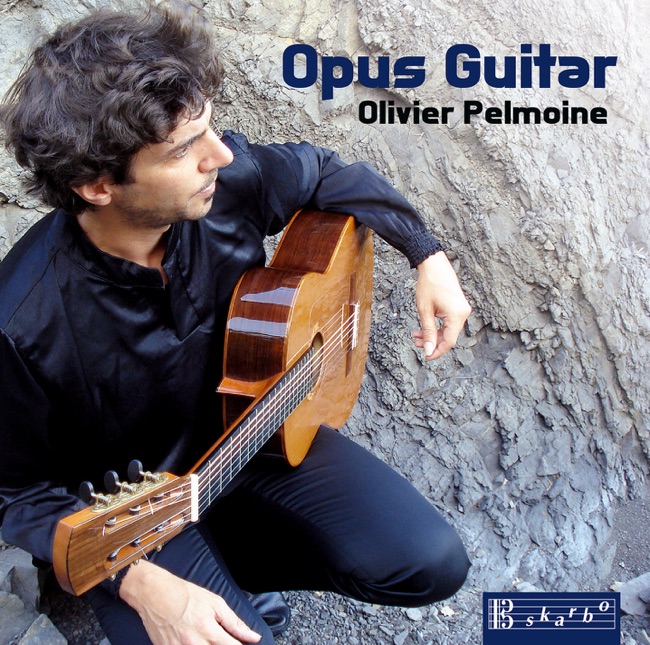 July 8, 2014
 -
 December 28, 2013
Keyboard
-
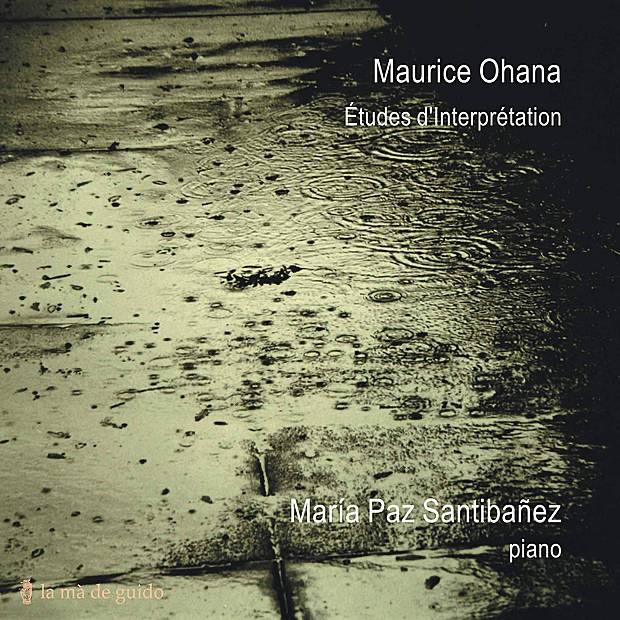 August 12, 2011
 -
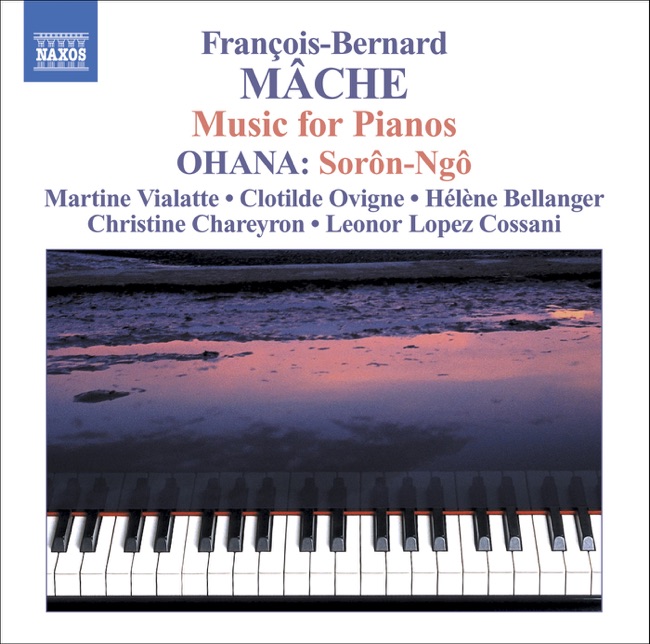
-
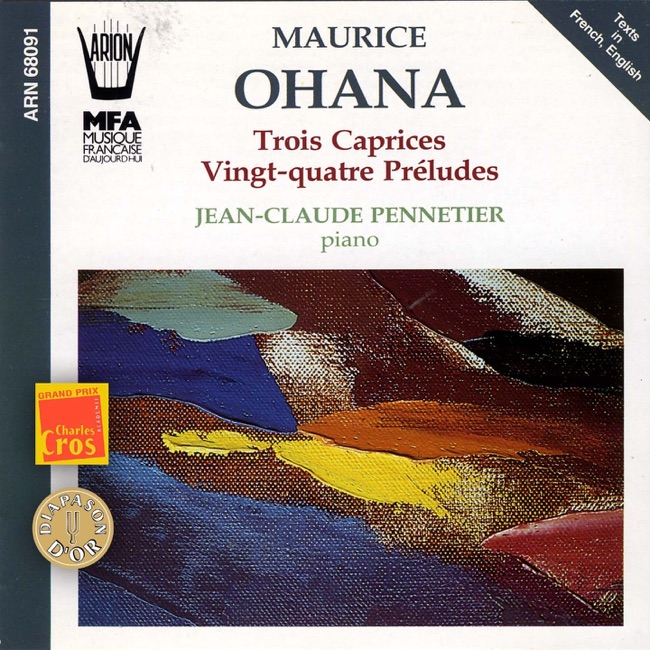 January 15, 1990
 -
Concerto
-
 December 1, 2023
 -
 February 5, 2016
 -
 July 28, 2009
Artist Info
Role:ComposerCountry: FranceBirth:June 12, 1914 in Casablanca, MoroccoDeath:November 13, 1992 in Paris, FrancePeriod:ModernGenre:ChamberConcertoKeyboardMaurice Ohana was a French composer of Spanish descent, born on June 12, 1913, in Casablanca, Morocco. He was the son of a Sephardic Jewish family, and his father was a businessman. Ohana's family moved to Paris when he was a child, and he grew up in a culturally rich environment. His mother was a pianist, and his father was a lover of music, which influenced Ohana's interest in music from a young age. Ohana began his musical studies at the Paris Conservatory, where he studied composition with Arthur Honegger and Nadia Boulanger. He also studied piano with Lazare Lévy and harmony with Jean Gallon. Ohana was a gifted student, and he won several prizes during his time at the conservatory. He graduated in 1936 with a first prize in composition. After completing his studies, Ohana worked as a music teacher and a pianist. He also began to compose music, and his early works were influenced by the neoclassical style of his teachers. However, Ohana soon began to develop his own unique style, which was characterized by a fascination with non-Western music and a desire to explore new sounds and textures. Ohana's breakthrough work was the "Tiento," a piece for solo guitar that he composed in 1957. The "Tiento" was inspired by the flamenco music of Andalusia, and it showcased Ohana's interest in non-Western music. The piece was a critical success, and it established Ohana as a composer to watch. Throughout the 1960s and 1970s, Ohana continued to compose music that was characterized by its innovative use of sound and texture. He was particularly interested in the timbral possibilities of different instruments, and he often experimented with extended techniques and unconventional playing methods. Some of his most notable works from this period include "Signes," a piece for solo piano, and "L'Exil d'Oedipe," an opera based on the myth of Oedipus. In the 1980s, Ohana's music became more introspective and spiritual. He was deeply influenced by the music of India and the Middle East, and he began to incorporate elements of these musical traditions into his compositions. Some of his most notable works from this period include "La Célestine," an opera based on the play by Fernando de Rojas, and "Miroir de Célestine," a piece for solo guitar. Ohana's music was often challenging and complex, but it was also deeply emotional and expressive. He was a master of orchestration, and his works were characterized by their rich and colorful soundscapes. Ohana was also a gifted melodist, and his music was often hauntingly beautiful. Ohana died on November 13, 1992, in Paris, France. He left behind a legacy of innovative and deeply personal music that continues to inspire composers and musicians today. His works are performed regularly in concert halls around the world, and he is widely regarded as one of the most important composers of the 20th century.More....
Recent Artist Music
Copyright Ⓒ 2013 Davinci Finger. All rights reseved
Service Terms & Policy