


Henri Tomasi
Released Album
Chamber
-
 July 14, 2022
 -
 March 25, 2022
 -
 May 3, 2019
 -
 April 12, 2019
 -
 June 15, 2018
 -
 October 12, 2016
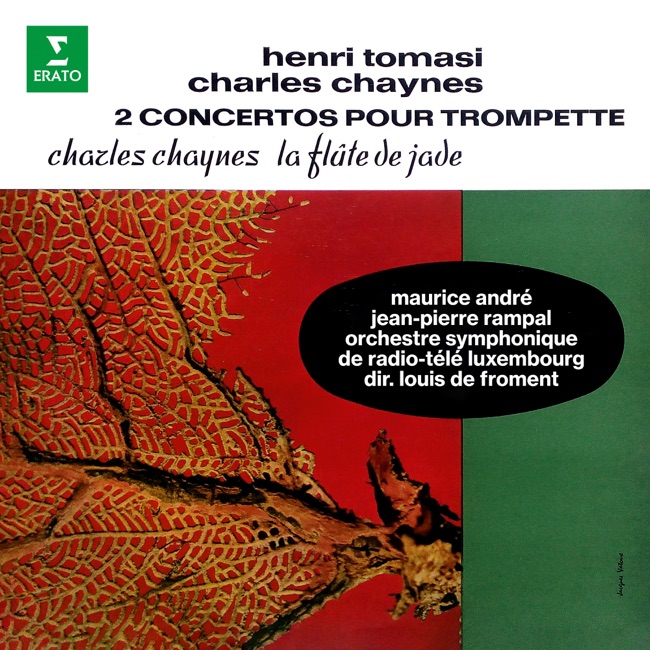
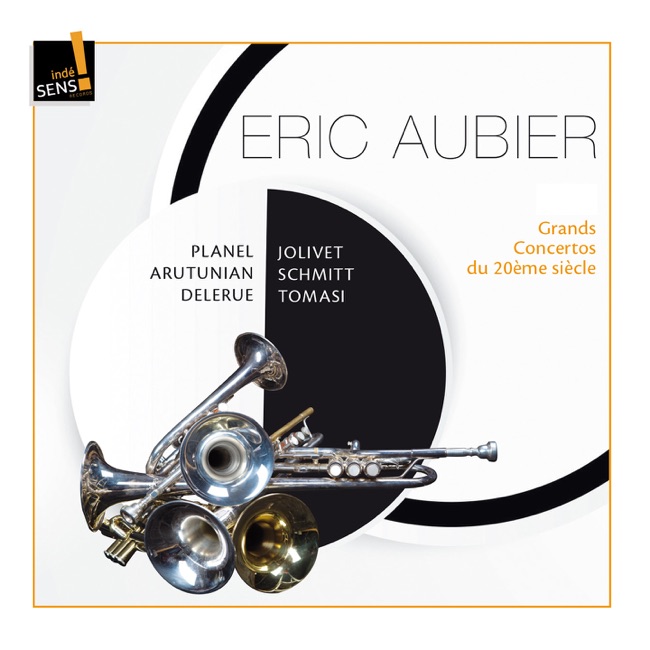
Concerto
-
 September 9, 2022
 -
 June 3, 2022
 -
-
 October 20, 2017
 -
 August 29, 2017
 -
 May 6, 2016
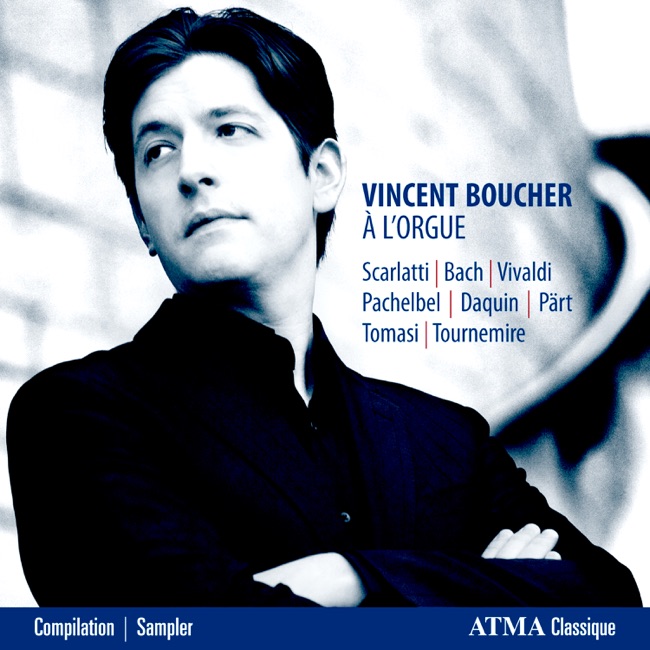
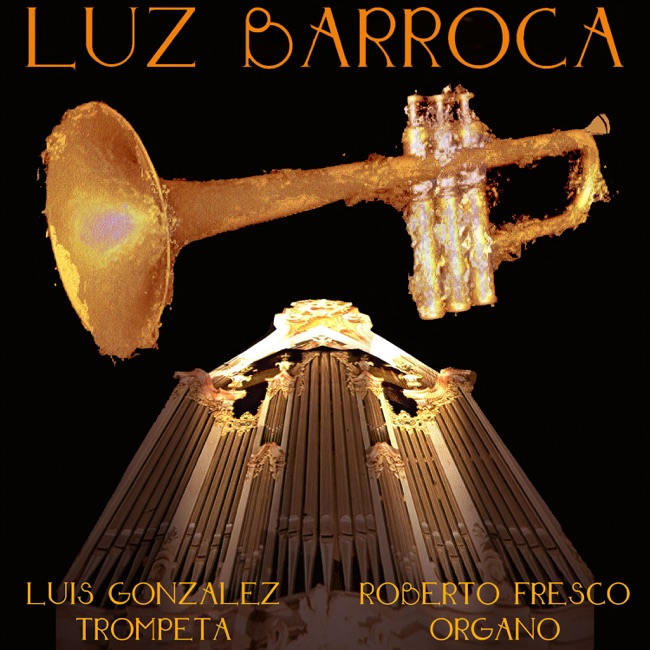
Keyboard
-
 May 1, 2015
 -
 February 19, 2004
Opera
-
 November 26, 2015
 -
 September 11, 2015
 -
 April 26, 2005
 -
 February 27, 2001
 -
 August 29, 2000
Artist Info
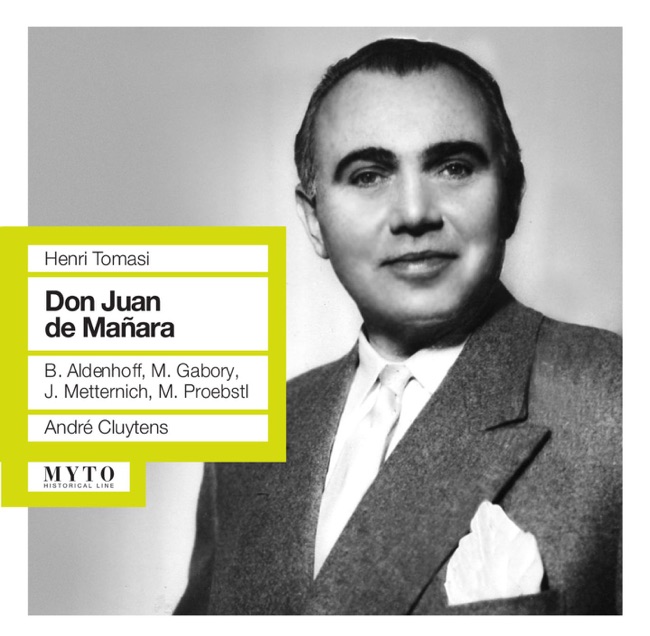
Role:Composer ConductorBirth:August 17, 1901Death:January 13, 1971Period:ModernGenre:ChamberConcertoHenri Tomasi was a French composer and conductor who was born on August 17, 1901, in Marseille, France. He was the son of a Corsican father and a mother from Marseille. Tomasi's father was a musician and a composer, and he encouraged his son to pursue a career in music. Tomasi began his musical education at a young age, studying the violin and the piano. He later studied composition with Vincent d'Indy at the Schola Cantorum in Paris. Tomasi's early compositions were influenced by the music of his native Corsica, as well as the folk music of the Mediterranean region. He also drew inspiration from the music of Debussy, Ravel, and Stravinsky. In 1927, Tomasi won the Prix de Rome, a prestigious award for young composers, which allowed him to study in Rome for several years. Tomasi's early works include the ballet "L'Atlantide" (1927), the opera "Don Juan de Mañara" (1934), and the "Concerto for Trumpet and Orchestra" (1948). His music is characterized by its rhythmic vitality, colorful orchestration, and use of folk melodies. In addition to his work as a composer, Tomasi was also a conductor. He served as the conductor of the Orchestre National de la Radiodiffusion Française from 1944 to 1946, and later conducted the Orchestre National de France. He also taught composition at the Paris Conservatory from 1948 to 1961. One of Tomasi's most famous works is the "Fanfares Liturgiques" (1954), a piece for brass and percussion that was commissioned by the French Ministry of Culture for the coronation of Queen Elizabeth II. The piece is divided into three sections, each of which represents a different aspect of the coronation ceremony. The first section, "Entrance of the Sovereign," is a grand fanfare that announces the arrival of the queen. The second section, "Homage to the Queen," is a more subdued and reflective piece that represents the queen's acceptance of her role. The final section, "Thanksgiving," is a joyful and celebratory piece that represents the end of the ceremony. Another notable work by Tomasi is the "Concerto for Alto Saxophone and Orchestra" (1949). The piece was written for the French saxophonist Marcel Mule, who was a member of the Paris Conservatory's saxophone quartet. The concerto is divided into three movements, each of which showcases the saxophone's versatility and expressive range. The first movement is a lively and rhythmic piece that features the saxophone's agility and virtuosity. The second movement is a slow and lyrical piece that showcases the saxophone's expressive capabilities. The final movement is a fast and energetic piece that brings the concerto to a thrilling conclusion. Tomasi's other works include the "Symphony No. 1" (1946), the "Symphony No. 2" (1956), and the "Concerto for Piano and Orchestra" (1956). His music has been performed by orchestras around the world, and he is considered one of the most important French composers of the 20th century. Henri Tomasi died on January 13, 1971, in Paris, France. His legacy as a composer and conductor continues to be celebrated today, and his music remains an important part of the classical repertoire.More....
Recent Artist Music




Copyright Ⓒ 2013 Davinci Finger. All rights reseved
Service Terms & Policy