


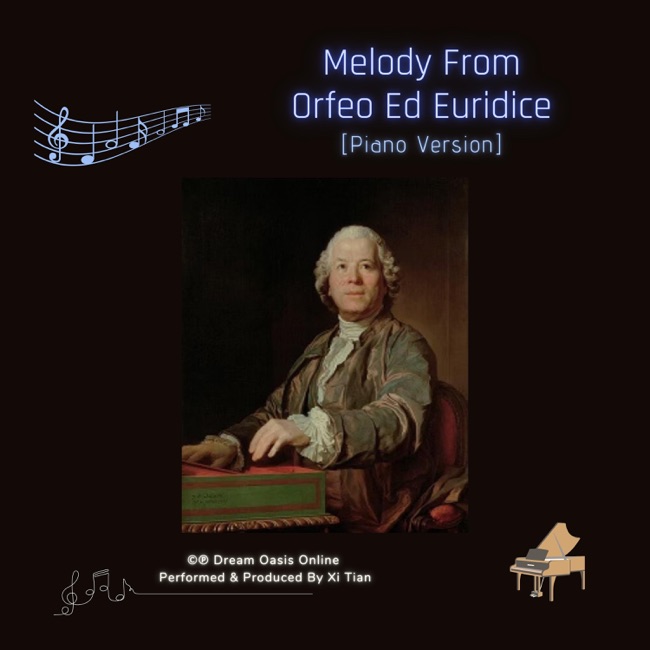
Christoph Willibald Gluck
Released Album
Opera
-
-
-
 June 1, 2024
 -
-
-
Chamber
-
 July 26, 2024
 -
 November 3, 2023
Ballet
-
 July 29, 2022
 -
 October 28, 2014
 -
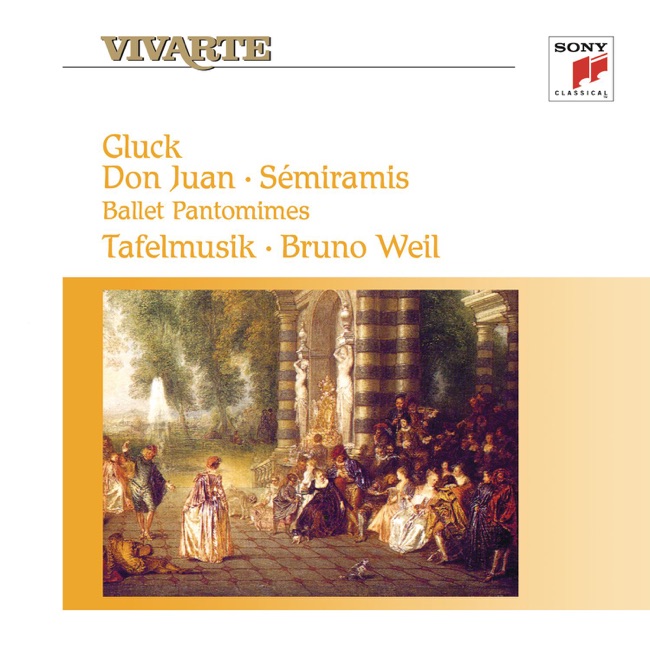 June 1, 1993
 -
 May, 1993
 -
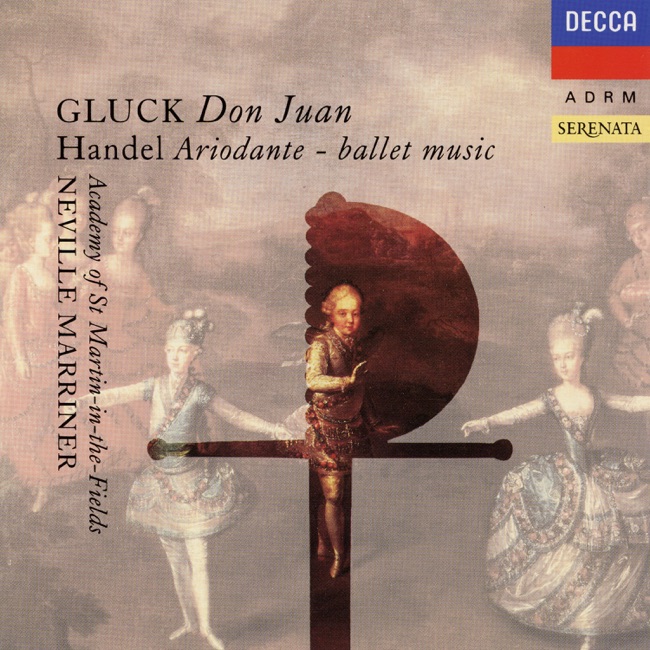 December 1, 1992
Artist Info
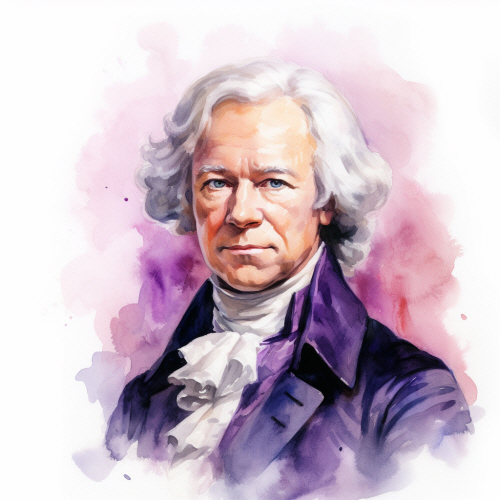
Role:ComposerCountry: GermanyBirth:July 2, 1714 in Erasbach, GermanyDeath:November 15, 1787 in Vienna, AustriaPeriod:BaroqueClassicalGenre:ChamberOperaChristoph Willibald Gluck was a prominent composer of the Classical era, known for his contributions to opera and ballet. Born on July 2, 1714, in Erasbach, Upper Palatinate, Germany, Gluck was the son of a forester and gamekeeper. His father recognized his son's musical talent early on and arranged for him to receive musical training from local musicians. Gluck's musical education began with his studies in Prague, where he learned to play the violin and keyboard. He then moved to Vienna, where he studied with the renowned composer Johann Joseph Fux. Gluck's early compositions were primarily instrumental works, including symphonies, sonatas, and chamber music. In 1741, Gluck moved to Milan, Italy, where he began to focus on opera. His first opera, "Artaserse," was performed in 1741, and was followed by several other successful operas, including "Demofoonte" and "La Sofonisba." Gluck's operas were notable for their use of simple melodies and clear, expressive vocal lines. In 1752, Gluck moved to London, where he composed several operas for the King's Theatre. His most successful work during this period was "Orfeo ed Euridice," which premiered in 1762. The opera was a departure from the traditional Italian opera style, featuring a simpler, more direct approach to music and storytelling. Gluck's next major work was "Alceste," which premiered in Vienna in 1767. The opera was a critical and commercial success, and cemented Gluck's reputation as one of the leading composers of his time. "Alceste" was followed by several other successful operas, including "Paride ed Elena" and "Iphigénie en Aulide." In 1774, Gluck moved to Paris, where he continued to compose operas and ballets. His most famous work from this period was "Orphée et Eurydice," which premiered in 1774. The opera was a major success, and was later revised and performed in several different versions. Gluck's final opera, "Echo et Narcisse," premiered in Paris in 1779. The opera was not as successful as his earlier works, and Gluck retired from composing shortly thereafter. He spent his final years in Vienna, where he died on November 15, 1787. Gluck's contributions to classical music were significant, particularly in the realm of opera. He was known for his innovative approach to music and storytelling, and his works helped to shape the development of opera in the Classical era. Gluck's influence can be seen in the works of later composers, including Mozart and Beethoven. In addition to his operas, Gluck also composed several ballets, including "Don Juan" and "Les Pèlerins de la Mecque." His instrumental works include several symphonies, sonatas, and chamber music pieces. Gluck's legacy continues to be celebrated today, with his works regularly performed in opera houses and concert halls around the world. His contributions to classical music have earned him a place among the most important composers of the Classical era.More....
Recent Artist Music



5

3:6
6

3:6
7
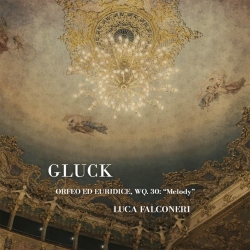
3:14
8

3:9
9
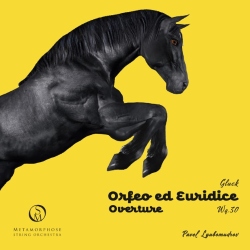
3:8

11
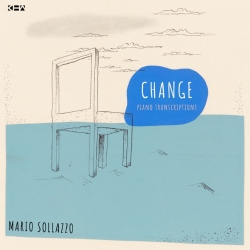
4:0

13

4:44
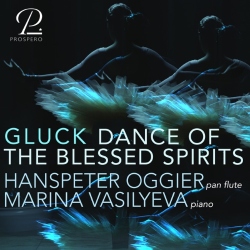

Works Highlight
Recommend Playlist























Related Artists
Copyright Ⓒ 2013 Davinci Finger. All rights reseved
Service Terms & Policy