


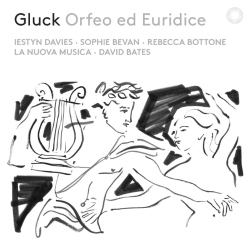
Christoph Willibald Gluck
Orfeo ed Euridice (Italian version)
Released Album
Recent Album
-
-
 Luca FalconeriJune 7, 2024
 -

-
-
 Antonio CastagnaMarch 29, 2024
 -
-
-
-
 Jonathan FlorilJanuary 19, 2024
 -
-
-
Featured Album
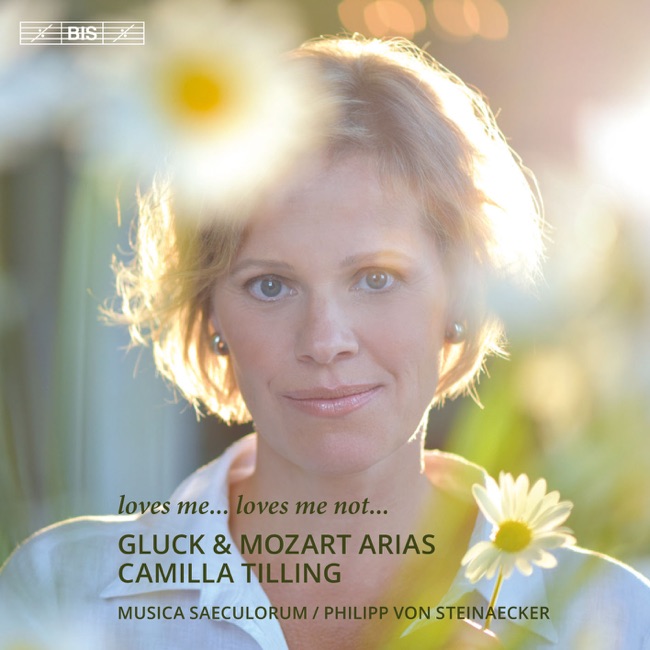
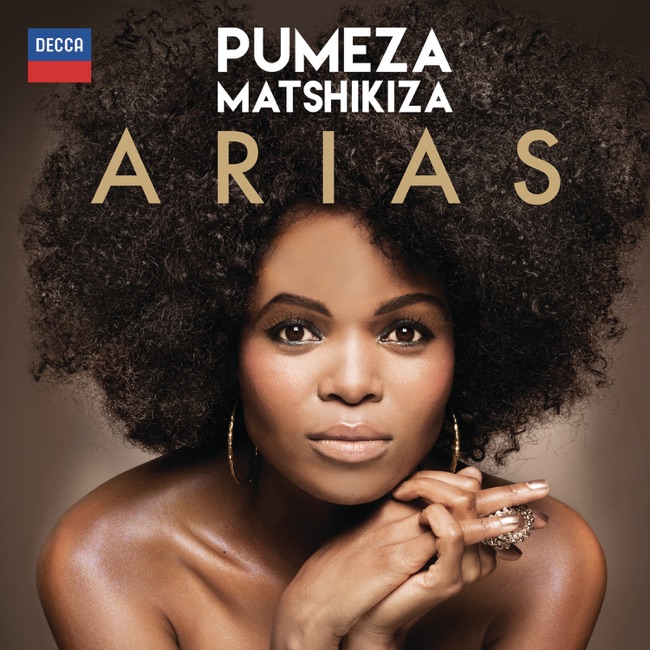
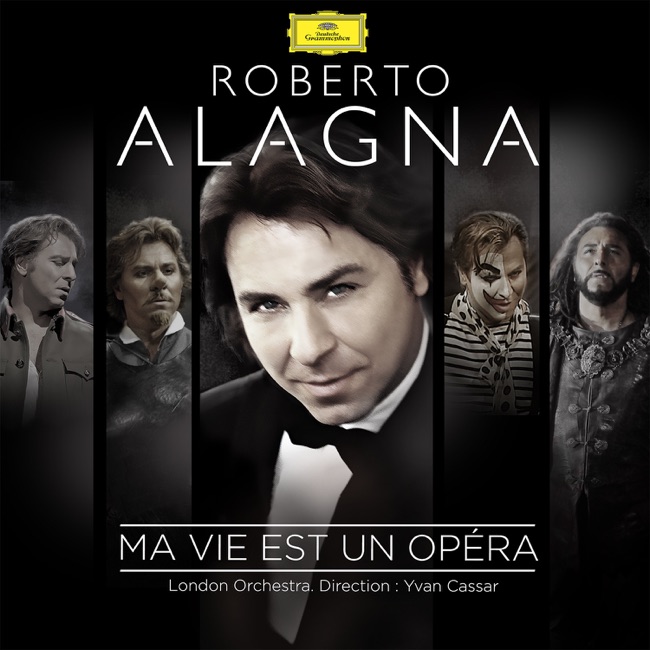
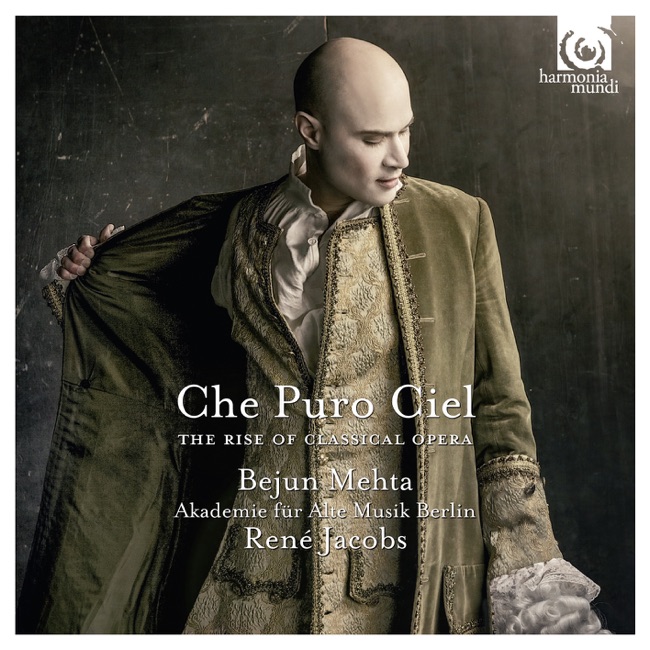
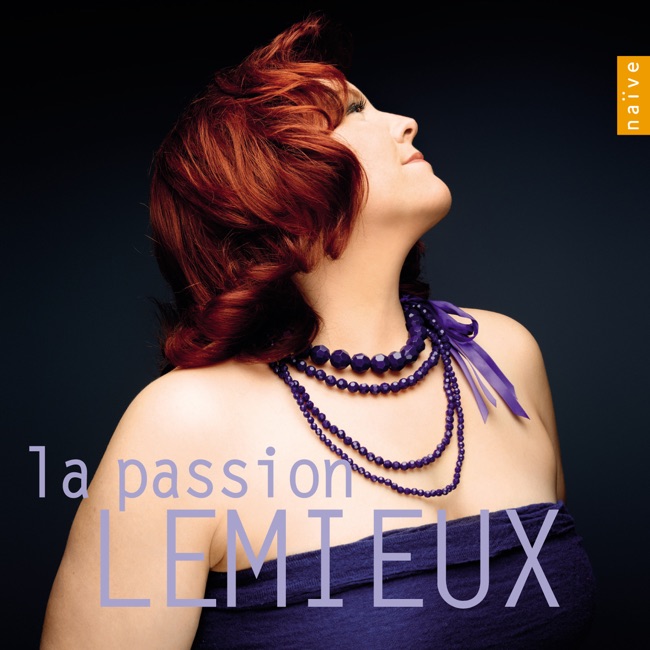
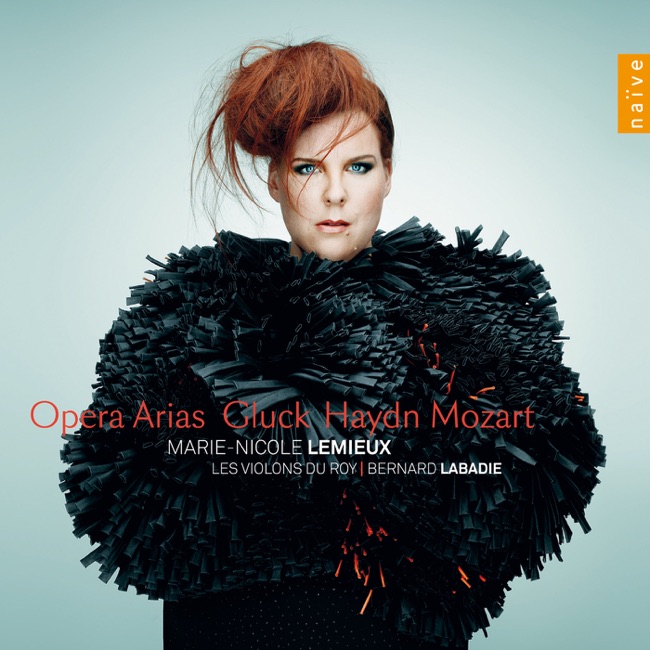
Works Info
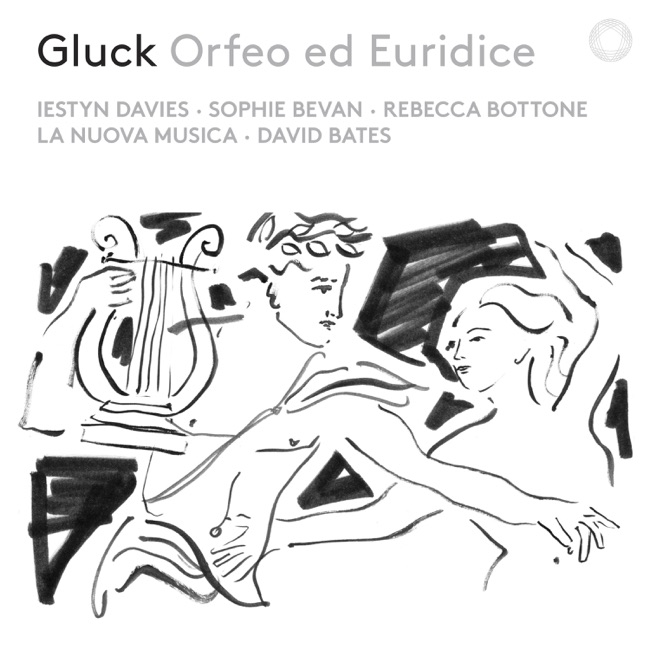
Composer:Christoph Willibald GluckGenre:OperaStyle:OperaPublication Date:1762Average_duration:90:59Movement_count:27Movement ....Orfeo ed Euridice is an opera composed by Christoph Willibald Gluck in 1762. The plot is based on the Greek myth of Orpheus, who descends into the underworld to rescue his beloved wife Euridice. The opera is divided into three acts and is sung in Italian. The opera opens with Orfeo mourning the death of his wife Euridice. He is visited by Amore, the god of love, who tells him that he can rescue Euridice from the underworld if he can win over the Furies with his music. Orfeo agrees to the challenge and sets off to the underworld. In the second act, Orfeo arrives in the underworld and sings a beautiful aria that charms the Furies. He is granted permission to enter the realm of the dead and search for Euridice. He finds her and they begin to make their way back to the world of the living. In the final act, Orfeo is warned not to look back at Euridice until they have reached the surface. However, he cannot resist and turns to look at her, causing her to be pulled back into the underworld. Orfeo is devastated and sings a heartbreaking aria, but Amore appears and tells him that his love has been proven and that Euridice will be restored to him. Orfeo ed Euridice premiered in Vienna on October 5, 1762. It was an immediate success and was performed throughout Europe. Gluck's opera was a departure from the traditional opera seria style, which focused on virtuosic singing and elaborate plots. Instead, Gluck emphasized the drama and emotion of the story, using simple melodies and clear, direct language. The opera is divided into three movements, each with its own distinct mood and style. The first act is mournful and introspective, while the second act is more lively and adventurous. The final act is the most emotional, with Orfeo's aria "Che farò senza Euridice" becoming one of the most famous and beloved arias in all of opera. Overall, Orfeo ed Euridice is a masterpiece of the operatic repertoire. Gluck's innovative approach to storytelling and music paved the way for the development of the classical style, and his influence can be heard in the works of Mozart, Beethoven, and other great composers.More....
Works Music
Released Music
1
3:9
2
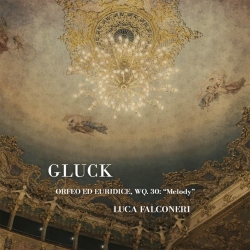
3:14

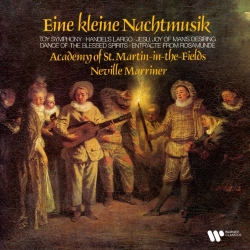
5
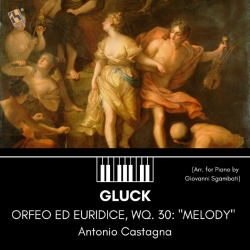
3:39
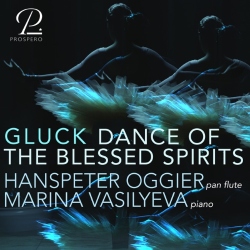
8
3:9
9
3:17
10

Orpheus and Eurydice (Italian version)
Act II, Scene 2: Ballet des ombres heureuses, Andante grazioso
2:21
Featured Music
1
3:10
4
1:59
5
3:43
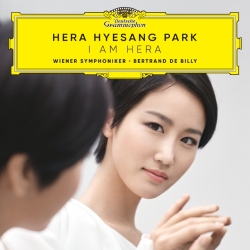
Recommend Playlist



















Main Perform Artists
Contralto Vocal
Soprano Vocal
Vocals
Vocals