


Toru Takemitsu
Released Album
Chamber
-
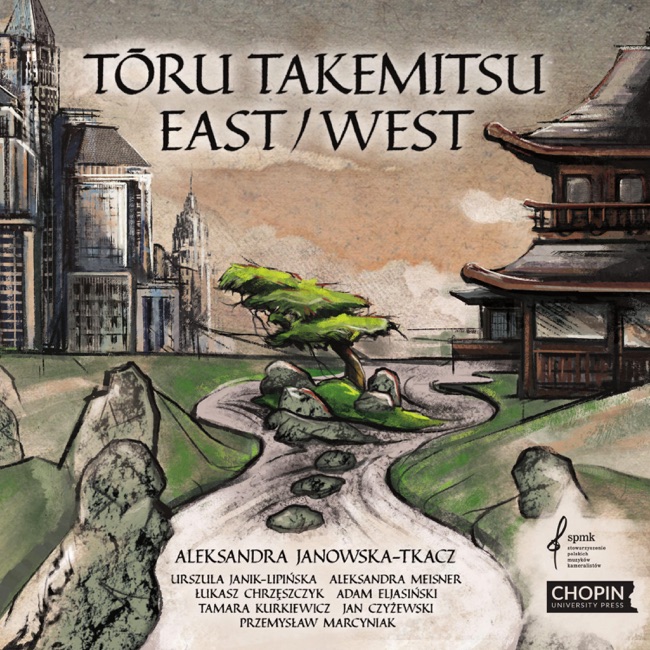 December 25, 2023
 -
 August 18, 2023
 -
 August 18, 2023
 -
 November 7, 2022
 -
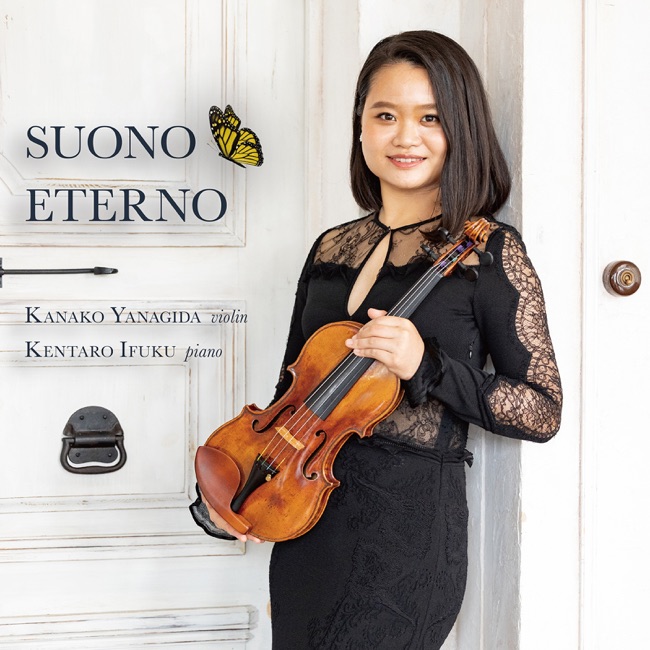 October 7, 2022
 -
 June 24, 2022
Keyboard
-

-
 March 10, 2023
 -
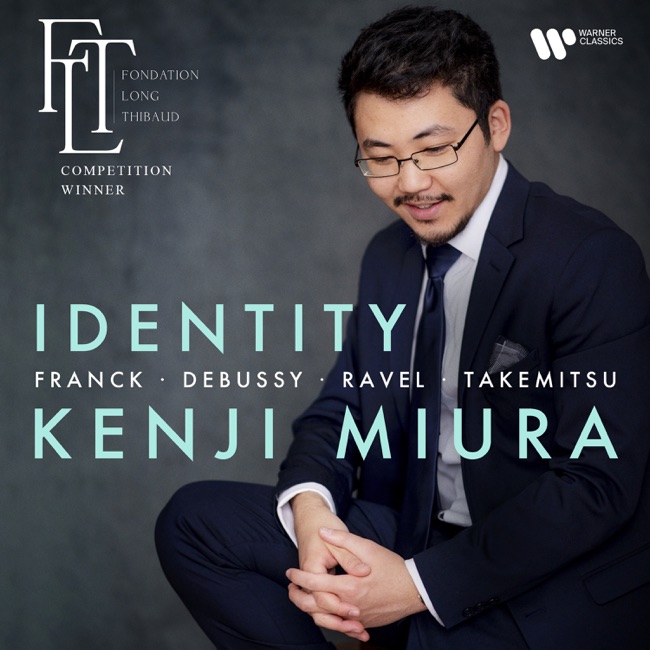 December 30, 2022
 -
 June 3, 2022
 -
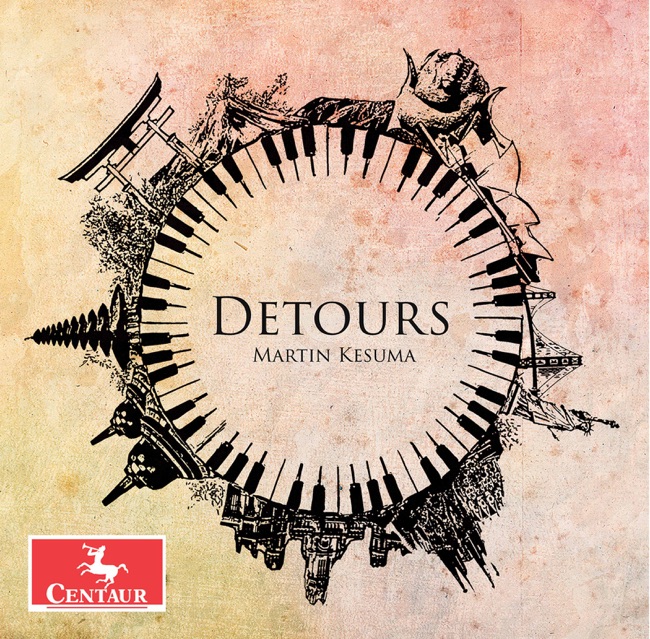 May 27, 2022
 -
 October 29, 2021
Concerto
-
 October 25, 2019
 -
 June 7, 2019
 -
 February 5, 2016
 -
 September 16, 2014
 -
 June 30, 2010
 -
Orchestral
-
 February 21, 2024
 -
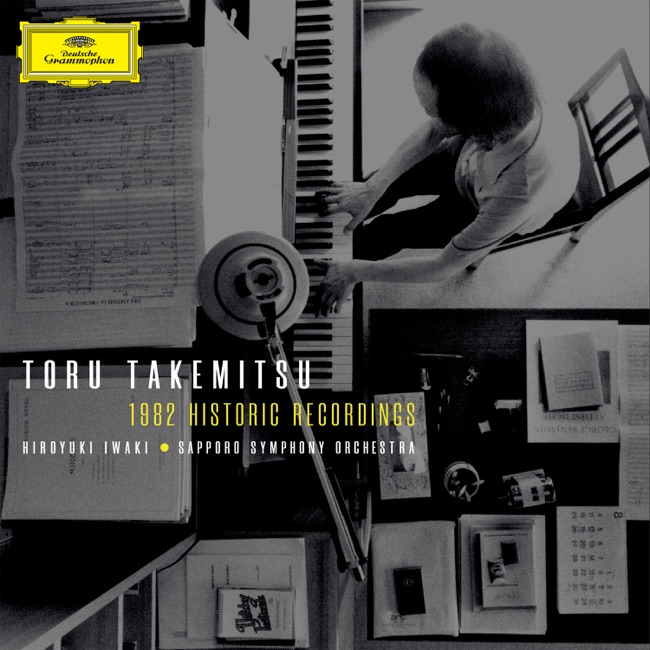
-
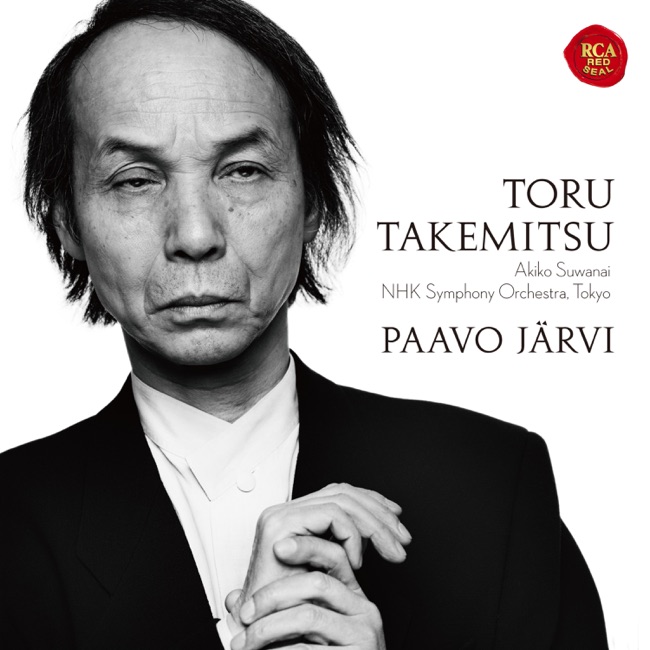 February 14, 2020
 -

-
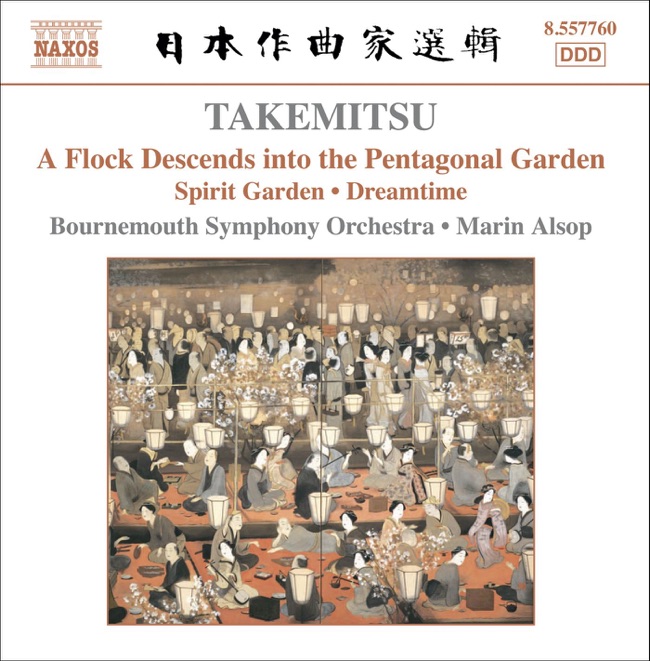 July 25, 2006
 -
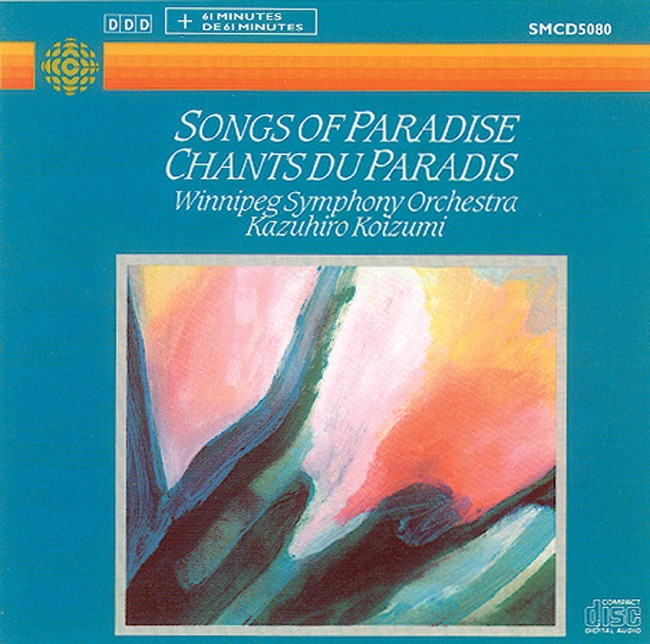 July 1, 2001
Artist Info
Role:Composer ConductorCountry: JapanBirth:October 8, 1930 in Tokyo, JapanDeath:February 20, 1996 in Tokyo, JapanPeriod:ContemporaryGenre:ChamberConcertoKeyboardOrchestralToru Takemitsu was a Japanese composer who is widely regarded as one of the most important figures in 20th-century classical music. Born in Tokyo on October 8, 1930, Takemitsu grew up in a musical family and began studying the piano at a young age. However, it was not until he heard the music of Debussy and Stravinsky that he became interested in composition. Takemitsu's early works were heavily influenced by Western classical music, particularly the works of Debussy and Ravel. However, he also drew inspiration from traditional Japanese music and culture, and sought to create a unique synthesis of these two traditions in his music. In the 1950s, Takemitsu began to gain recognition as a composer, and his works were performed by leading orchestras and ensembles in Japan and abroad. He also became involved in the avant-garde music scene in Japan, collaborating with experimental artists and musicians. One of Takemitsu's most famous works is "Requiem for Strings," which he composed in 1957. The piece is a hauntingly beautiful meditation on death and loss, and has become a staple of the modern classical repertoire. Throughout the 1960s and 1970s, Takemitsu continued to explore new musical ideas and techniques, incorporating elements of electronic music and aleatoric (chance-based) composition into his works. He also began to experiment with different forms of media, creating music for film, theater, and dance. One of Takemitsu's most notable film scores is for the 1985 film "Ran," directed by Akira Kurosawa. The score, which features a mix of traditional Japanese instruments and Western orchestration, is widely regarded as one of the greatest film scores of all time. Takemitsu's later works were characterized by a more introspective and meditative quality, reflecting his interest in Zen Buddhism and other spiritual traditions. He continued to compose until his death in 1996, leaving behind a legacy of innovative and deeply moving music. In addition to his work as a composer, Takemitsu was also a respected writer and critic, and wrote extensively on music and culture. He was awarded numerous honors and awards throughout his career, including the Order of Culture, Japan's highest cultural honor. Today, Takemitsu's music continues to be performed and celebrated around the world, and his influence can be heard in the works of many contemporary composers. His unique blend of Western and Japanese musical traditions, combined with his innovative use of electronic and aleatoric techniques, has made him one of the most important and influential composers of the 20th century.More....
Recent Artist Music









Recommend Playlist











Copyright Ⓒ 2013 Davinci Finger. All rights reseved
Service Terms & Policy