


Alban Berg
Released Album
Vocal
-
 April 5, 2024
 -
 November 24, 2023
 -
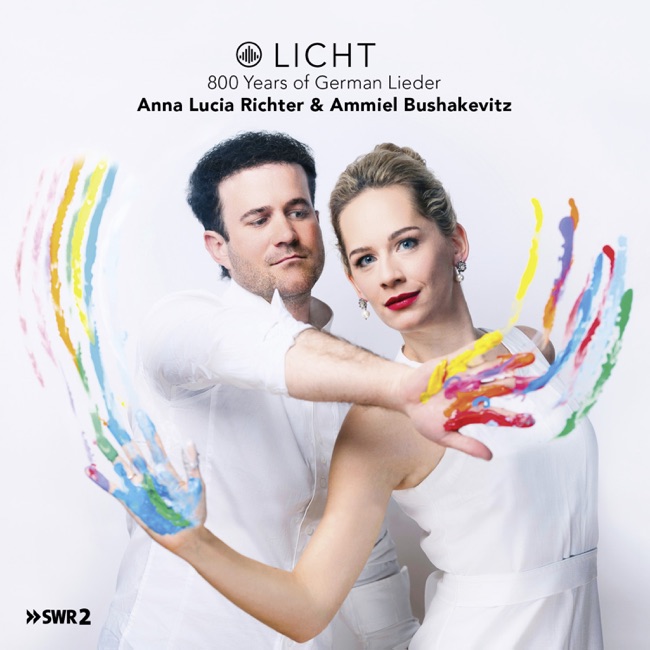 October 6, 2023
 -
 June 9, 2023
 -
 January 20, 2023
 -
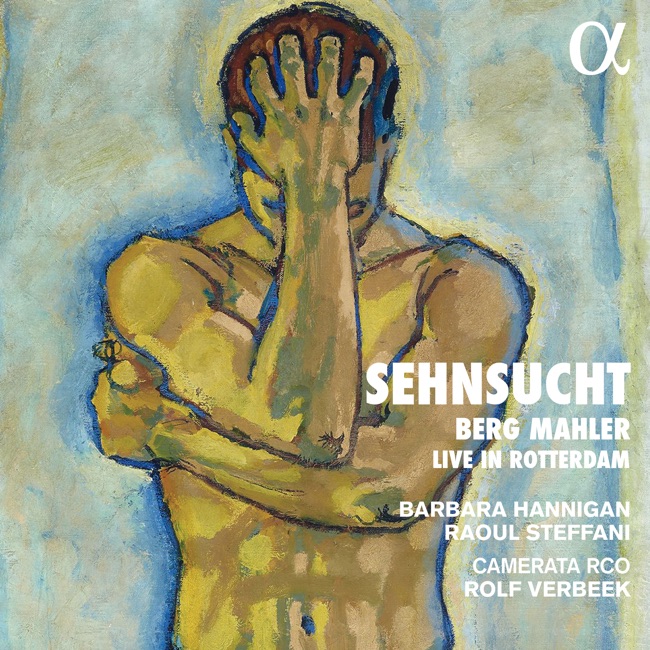 October 28, 2022
Keyboard
-
 November 24, 2023
 -
 November 10, 2023
 -
 October 9, 2023
 -
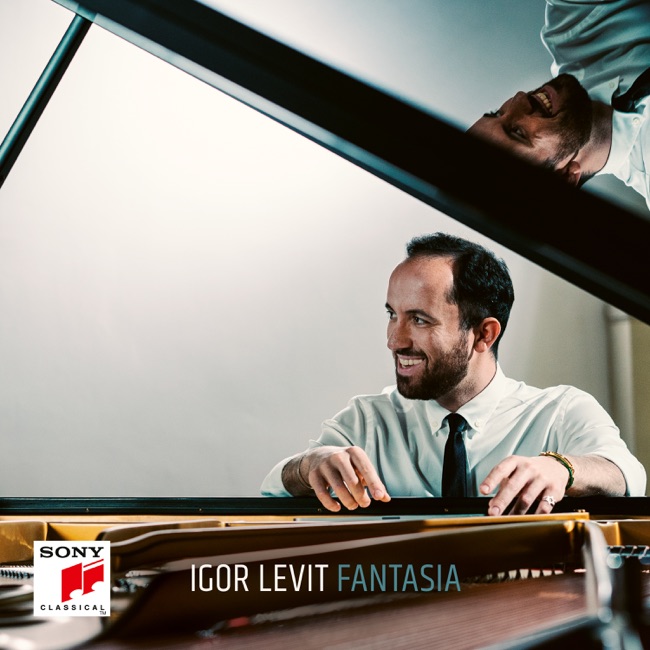 September 29, 2023
 -
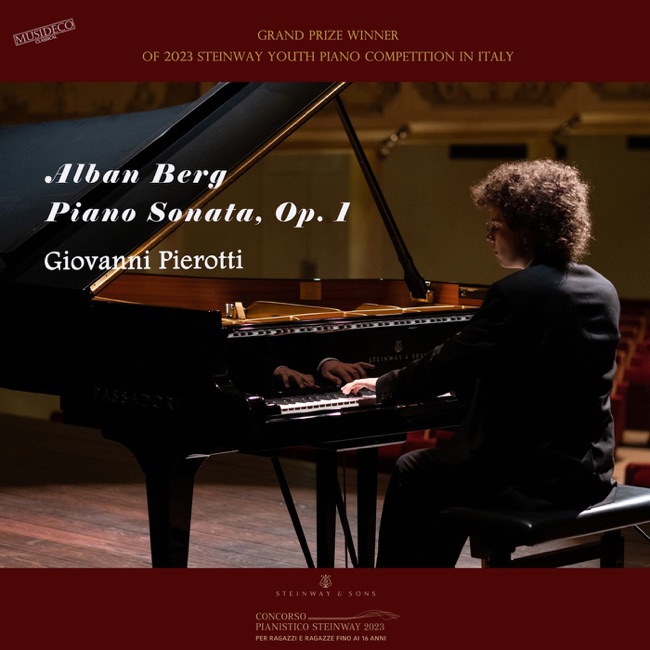 April 28, 2023
 -
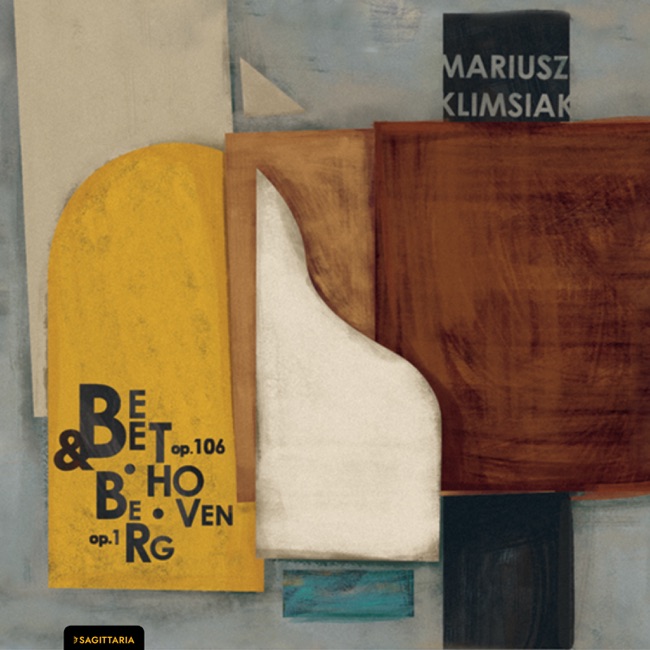 December 29, 2022
Chamber
-
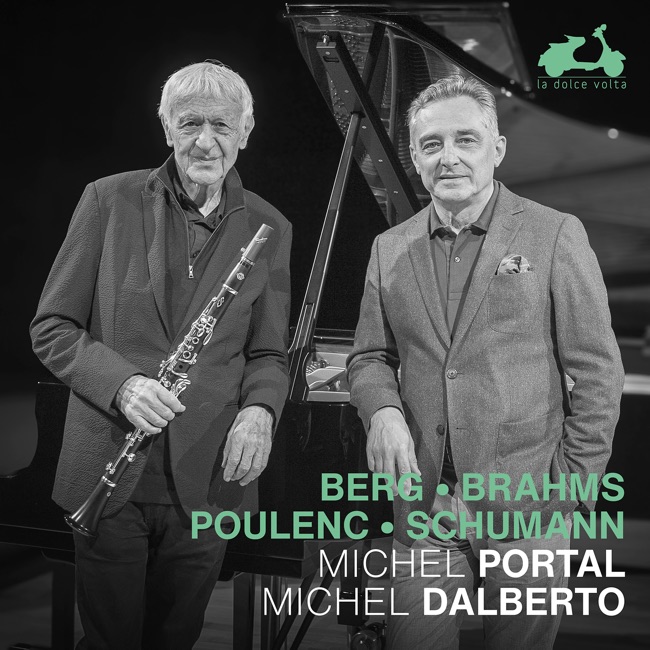 March 8, 2024
 -
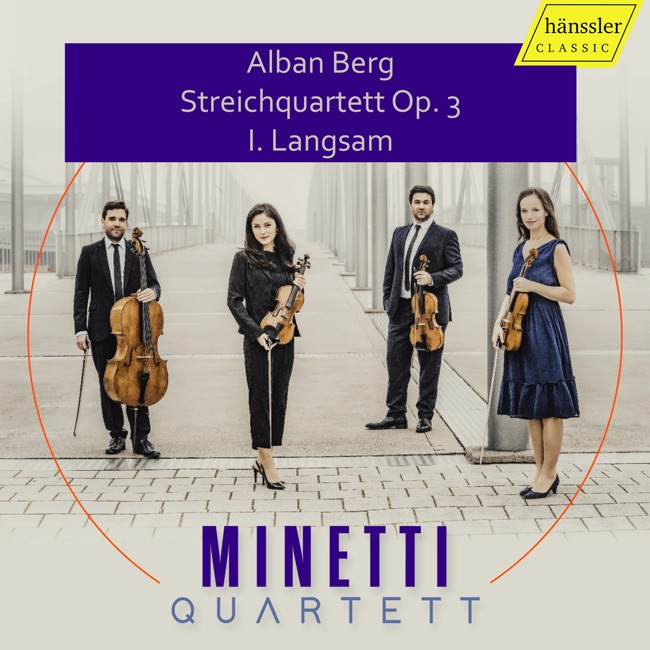 September 22, 2023
 -
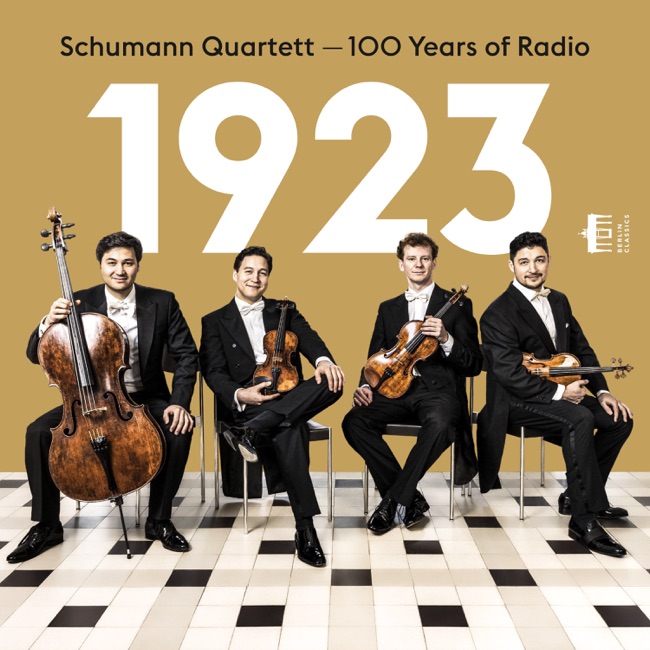 September 15, 2023
 -
 January 13, 2023
 -
-
 February 1, 2022
Concerto
-
 January 19, 2024
 -
 October 28, 2022
 -
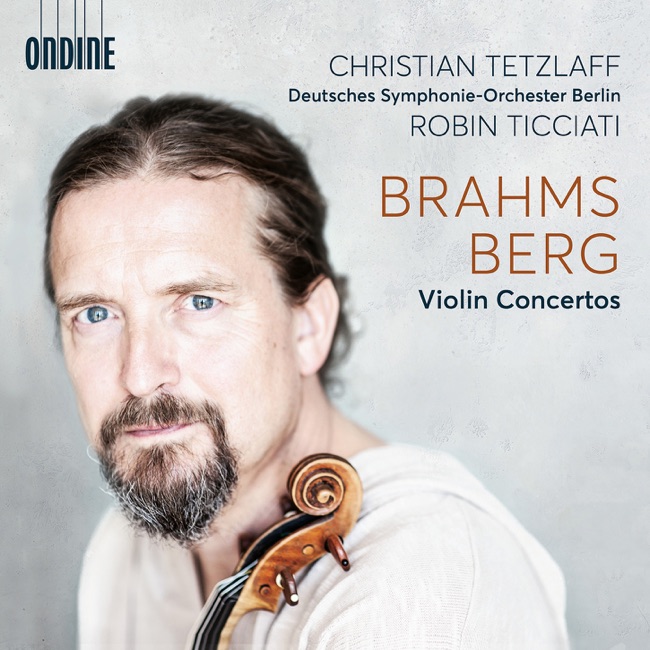 September 2, 2022
 -
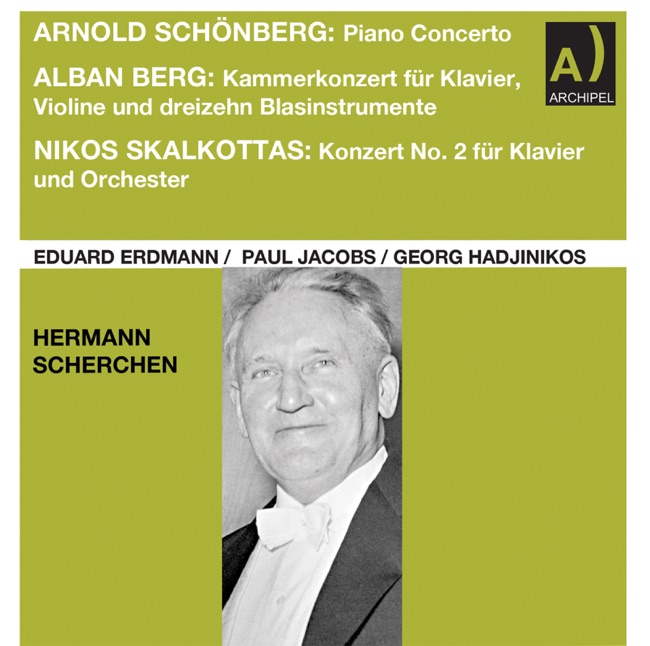 July 1, 2022
 -
 November 19, 2021
 -
 November 12, 2021
Artist Info
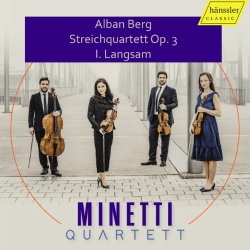
Role:ComposerCountry: AustriaBirth:February 9, 1885 in Vienna, AustriaDeath:December 24, 1935 in Vienna, AustriaPeriod:ContemporaryModernGenre:ChamberConcertoKeyboardVocalAlban Berg was a prominent Austrian composer of the early 20th century, known for his contributions to the Second Viennese School of music. Born on February 9, 1885, in Vienna, Berg was the son of a wealthy family and received a privileged upbringing. His father, Conrad Berg, was a successful businessman, and his mother, Johanna, was a talented pianist who encouraged her son's musical interests from an early age. Berg began his formal music education at the age of six, studying piano with his mother and later with a private tutor. He also received instruction in music theory and composition, and by the age of 15, he had written his first compositions. In 1904, Berg enrolled at the Vienna Conservatory, where he studied with the renowned composer Arnold Schoenberg. Under Schoenberg's tutelage, Berg became deeply involved in the development of atonal music, a style that rejected traditional tonality in favor of a more free-form approach to composition. Berg's early works, such as his Piano Sonata, Op. 1, and his String Quartet, Op. 3, were heavily influenced by this new style, and he quickly gained a reputation as one of the leading composers of the Second Viennese School. In 1911, Berg met the woman who would become his lifelong companion and muse, Helene Nahowski. The two began a passionate affair, despite the fact that Helene was already married. Berg's love for Helene inspired some of his most famous works, including his opera Wozzeck, which he began composing in 1914. Wozzeck, which premiered in 1925, is widely regarded as one of the most important operas of the 20th century. Based on a play by Georg Büchner, the opera tells the story of a poor soldier who is driven to madness and murder by the cruelty of his superiors and the infidelity of his lover. The music of Wozzeck is characterized by its dissonant harmonies, complex rhythms, and innovative use of orchestration, and it remains a challenging and rewarding work for both performers and audiences. Berg's next major work, the Violin Concerto, was also inspired by his love for Helene. The concerto, which he began composing in 1935, was intended as a tribute to her memory after her death from septicemia in 1935. The work is notable for its use of a twelve-tone row, a technique that Schoenberg had developed to create a new system of tonality in atonal music. Berg's final work, the opera Lulu, was left unfinished at the time of his death in 1935. The opera, which tells the story of a young woman who becomes a prostitute and a murderer, is considered by many to be Berg's masterpiece. The music of Lulu is even more complex and challenging than that of Wozzeck, and it is a testament to Berg's skill as a composer that he was able to create such a powerful and emotionally charged work despite his failing health. Throughout his career, Berg was known for his meticulous attention to detail and his innovative approach to composition. His music was often challenging and difficult to perform, but it was also deeply rewarding for those who took the time to understand it. Today, Berg is remembered as one of the most important composers of the 20th century, and his works continue to be performed and studied by musicians and music lovers around the world.More....
Recent Artist Music



Works Highlight
Recommend Playlist











Related Artists
Copyright Ⓒ 2013 Davinci Finger. All rights reseved
Service Terms & Policy