


Milton Babbitt
Released Album
Chamber
-
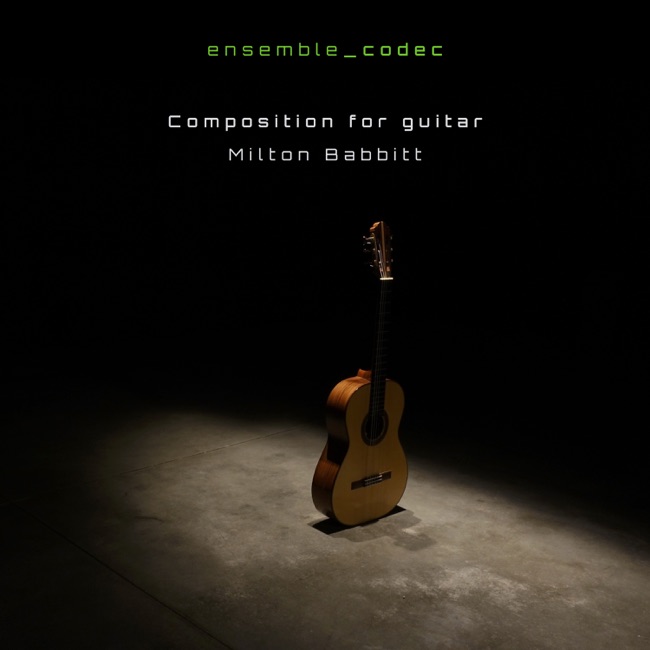 October 8, 2021
 -
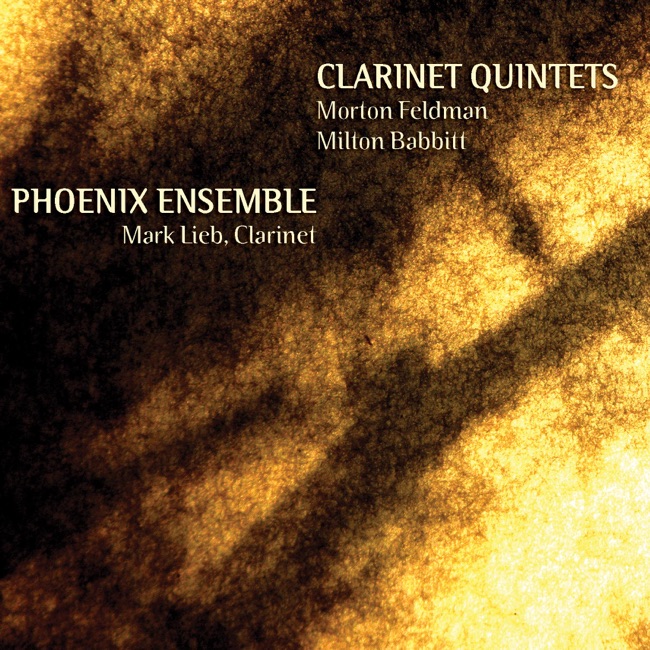 January 26, 2010
 -
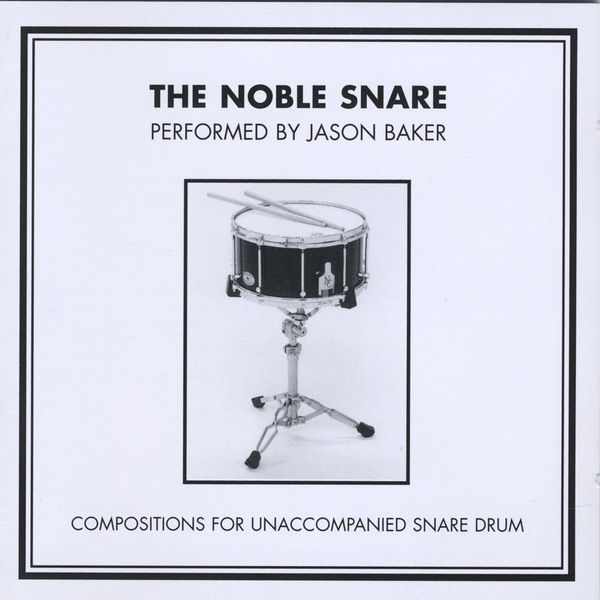 January 23, 2009
 -
 June 6, 2006
 -
 April 11, 2006
 -
 February 27, 2006
Keyboard
-
 April 12, 2019
 -
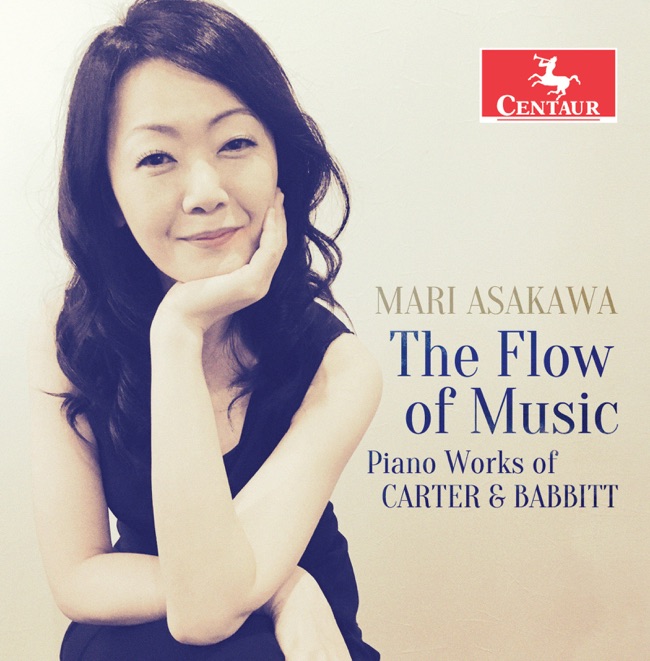 July 6, 2018
 -
 July 12, 2011
 -
 November 30, 2004
 -
 May 29, 2001
 -
 March 27, 2001
Vocal
-
 July 1, 2018
 -
 March 23, 2018
 -
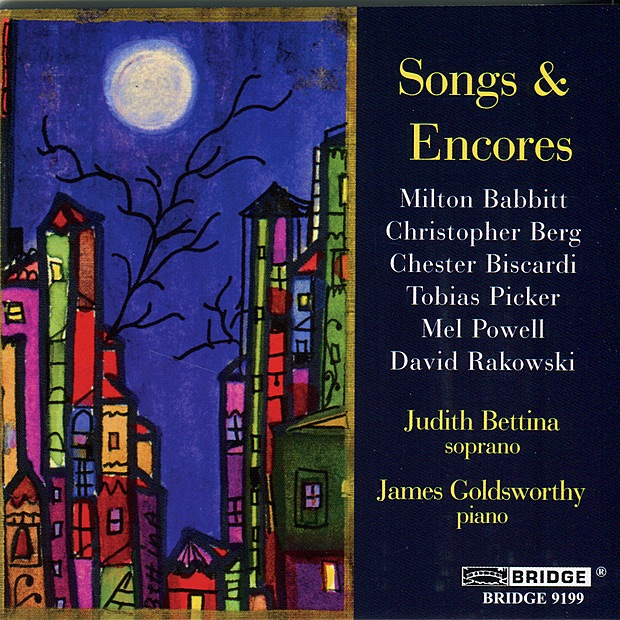 November 1, 2006
 -
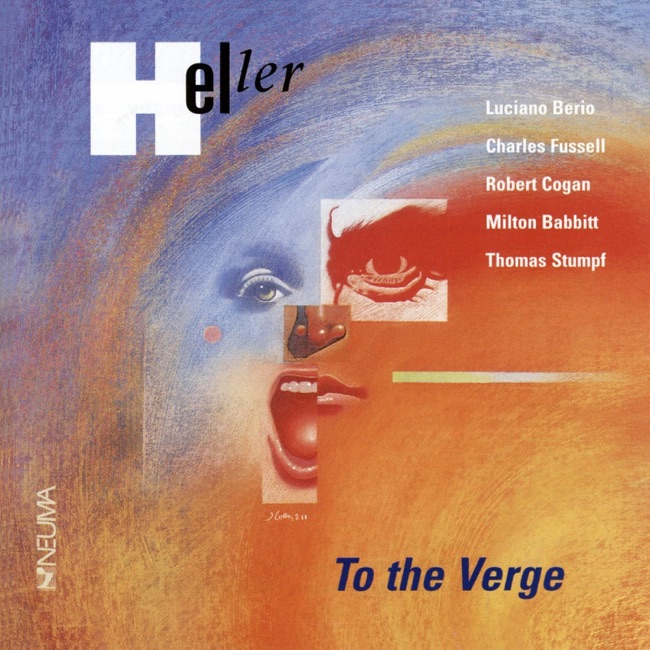 December 13, 1995
 -
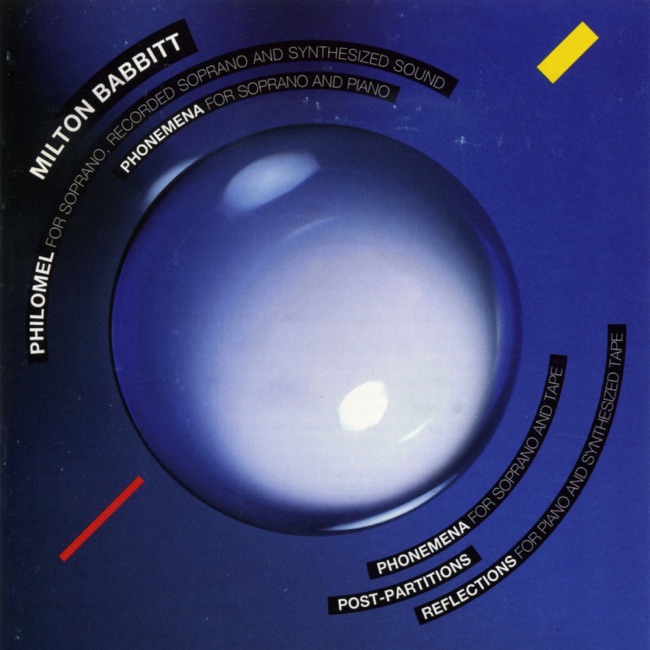 May 30, 1995
 -
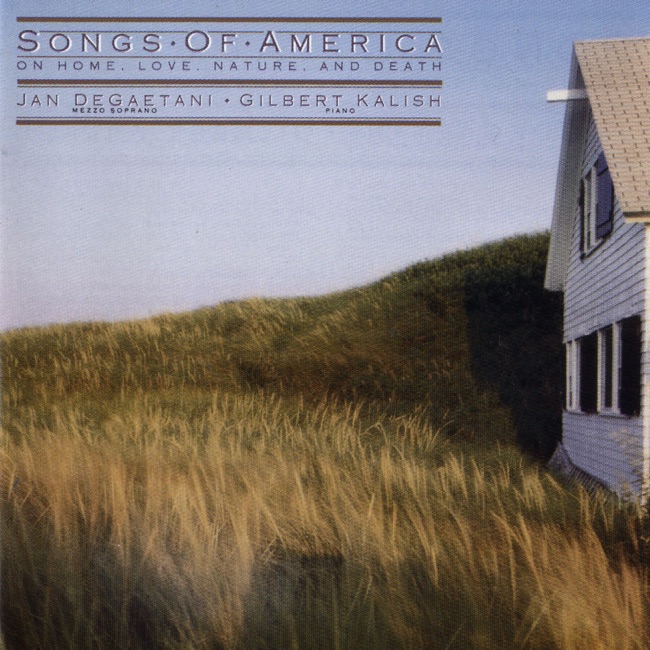 May 28, 1992
Orchestral
-
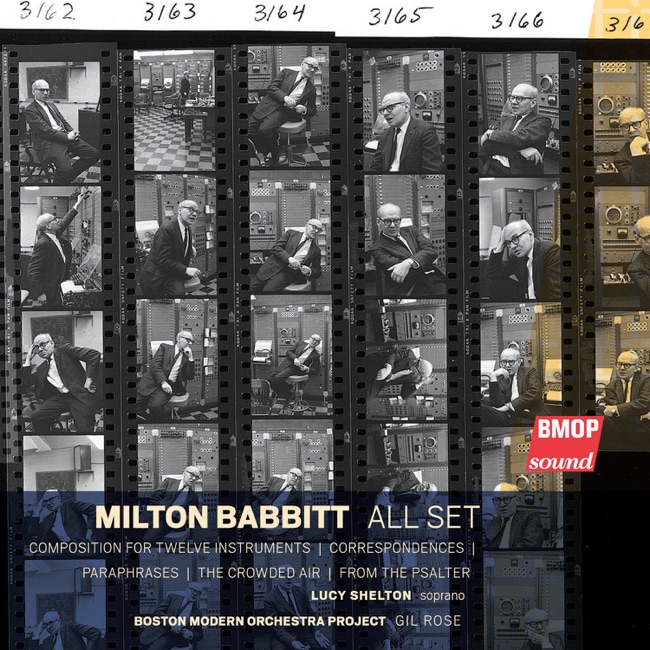 January 14, 2014
 -
 April 24, 2007
 -
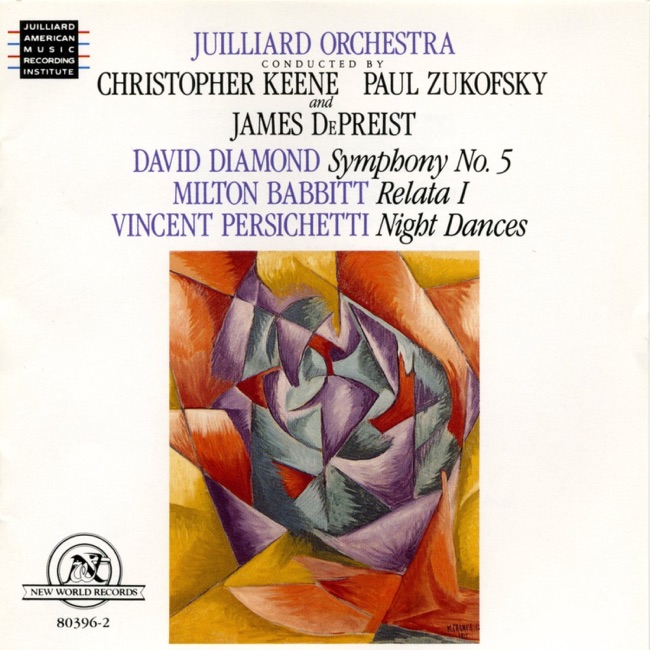
Artist Info
Role:Composer PerformerCountry: United States of AmericaBirth:May 10, 1916 in Philadelphia, PADeath:January 29, 2011 in Princeton, NJPeriod:ContemporaryModernGenre:Avant-GardeChamberKeyboardMilton Babbitt was an American composer, music theorist, and teacher who was born on May 10, 1916, in Philadelphia, Pennsylvania. He was the son of a mathematician and a pianist, and his parents encouraged his interest in music from an early age. Babbitt began studying piano at the age of four and later took up the clarinet and saxophone. He attended the University of Pennsylvania, where he studied mathematics and music, and later earned a master's degree in music from New York University. Babbitt's early compositions were influenced by the serialism of Arnold Schoenberg and Anton Webern, but he soon developed his own unique style, which he called "total serialism." This approach involved the use of serial techniques not only in the pitch domain but also in rhythm, dynamics, and timbre. Babbitt's music was characterized by its complexity, precision, and intellectual rigor, and it often required performers to use unconventional techniques and extended techniques. One of Babbitt's most famous works is his Composition for Twelve Instruments, which was premiered in 1948. This piece uses a twelve-tone row that is manipulated in various ways to create a complex and intricate texture. Another notable work is his Philomel, which was composed in 1964 and is scored for soprano and tape. This piece uses electronic sounds to create a haunting and otherworldly atmosphere, and it has been hailed as a masterpiece of electronic music. In addition to his work as a composer, Babbitt was also a respected music theorist and teacher. He taught at Princeton University from 1938 to 1984 and was a mentor to many of the leading composers of the postwar era, including Steve Reich, Philip Glass, and John Adams. Babbitt's writings on music theory and composition were highly influential, and he was known for his rigorous and analytical approach to music. Despite his many accomplishments, Babbitt's music was not always well-received by audiences or critics. Some found his music too cerebral and difficult to understand, while others criticized his use of electronic sounds and unconventional techniques. Nevertheless, Babbitt remained committed to his artistic vision and continued to compose and teach until his death in 2011 at the age of 94. In conclusion, Milton Babbitt was a pioneering composer, music theorist, and teacher who made significant contributions to the development of contemporary classical music. His use of total serialism and electronic sounds pushed the boundaries of traditional musical forms and paved the way for future generations of composers. While his music may not be to everyone's taste, his legacy as a visionary artist and thinker is undeniable.More....





Copyright Ⓒ 2013 Davinci Finger. All rights reseved
Service Terms & Policy