


Milton Babbitt
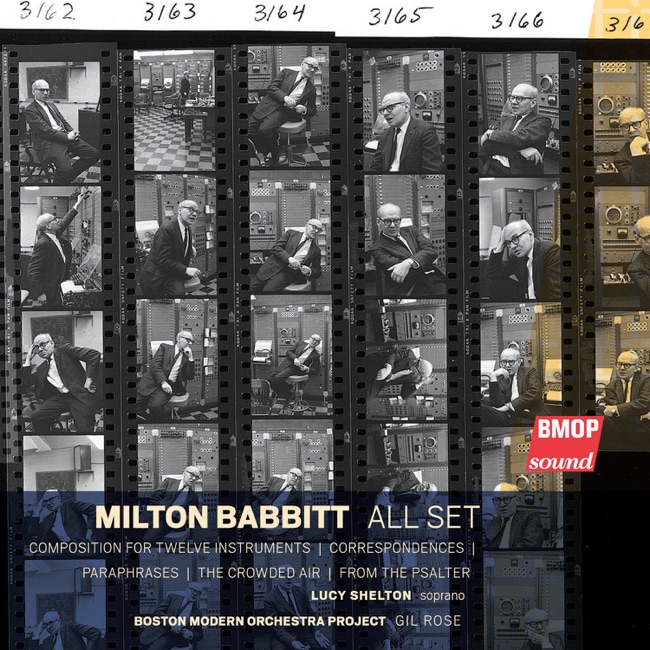
Correspondences for string orchestra & synthesized tape
Released Album
Recent Album

Featured Album
Works Info
Composer:Milton BabbittGenre:OrchestralStyle:Electronic MusicCompose Date:1967Average_duration:10:06Correspondences for string orchestra & synthesized tape is a composition by Milton Babbitt, an American composer, music theorist, and teacher. The piece was composed in 1967 and premiered on May 2, 1968, by the Juilliard Orchestra conducted by Lawrence Foster. The composition consists of three movements, each with its own distinct characteristics. The first movement, titled "Preludium," is characterized by a slow and somber mood. The synthesized tape provides a haunting background to the strings, which play long, sustained notes. The movement builds in intensity, with the strings gradually becoming more active and the tape becoming more prominent. The second movement, titled "Interlude," is a brief and lively section that provides a contrast to the first movement. The synthesized tape provides a rhythmic pulse, while the strings play fast, staccato notes. The movement is characterized by its energy and playfulness. The third movement, titled "Postlude," returns to the somber mood of the first movement. The synthesized tape provides a mournful background, while the strings play slow, mournful melodies. The movement builds to a climax, with the strings and tape reaching a powerful and emotional conclusion. Overall, Correspondences for string orchestra & synthesized tape is a complex and challenging composition that showcases Babbitt's mastery of both traditional orchestral instruments and electronic music. The use of the synthesized tape adds a unique and innovative element to the piece, while the string orchestra provides a rich and expressive sound. The composition is a testament to Babbitt's innovative approach to music and his ability to push the boundaries of traditional composition.More....
Works Music
Released Music

Featured Music
1
10:11