


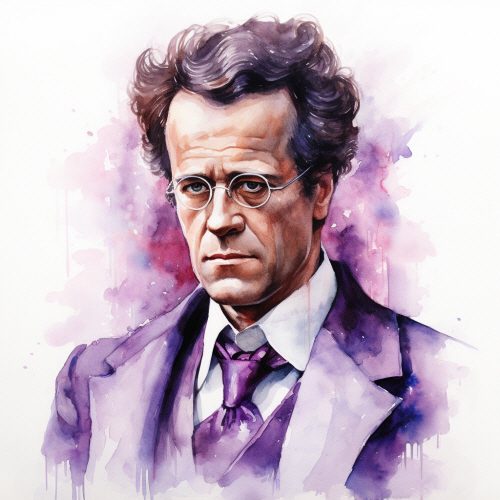
Gustav Mahler
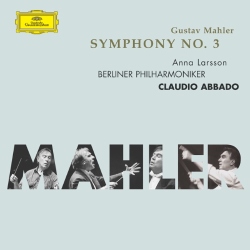
Symphony No. 3 in D minor
Released Album
Recent Album
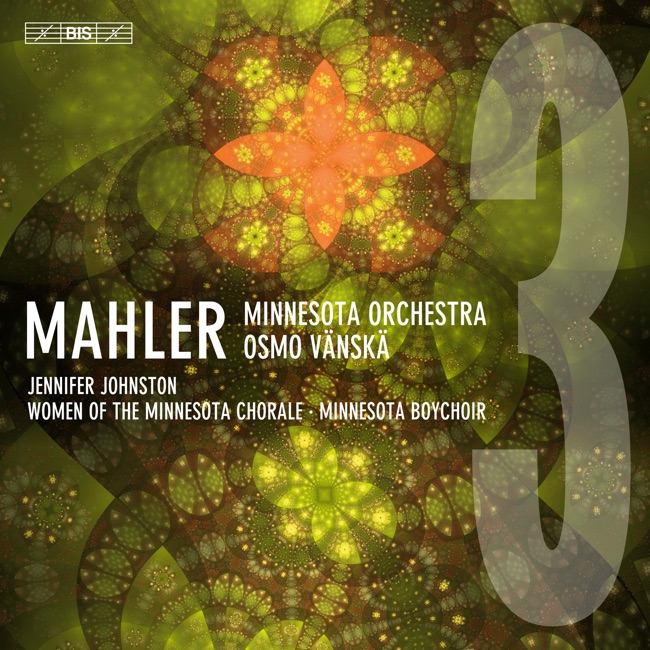

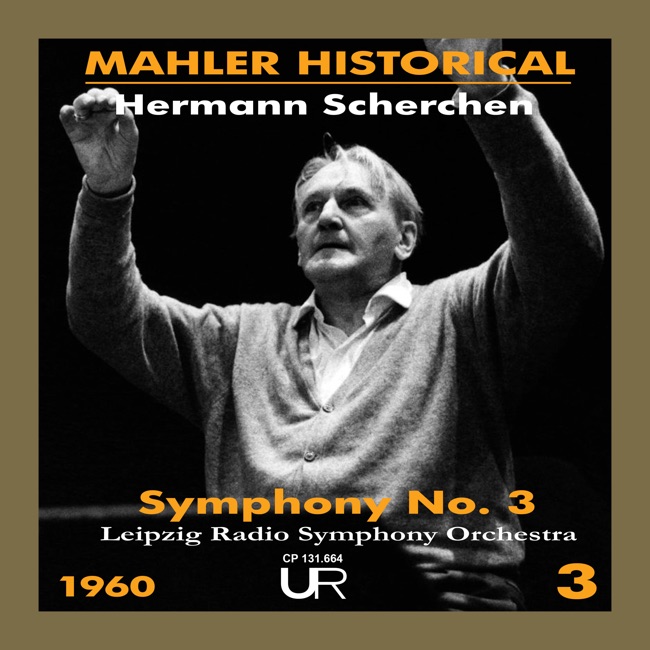
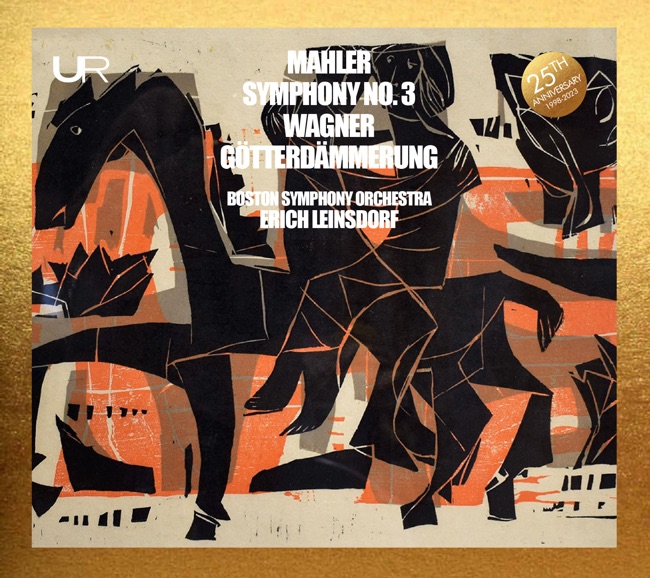

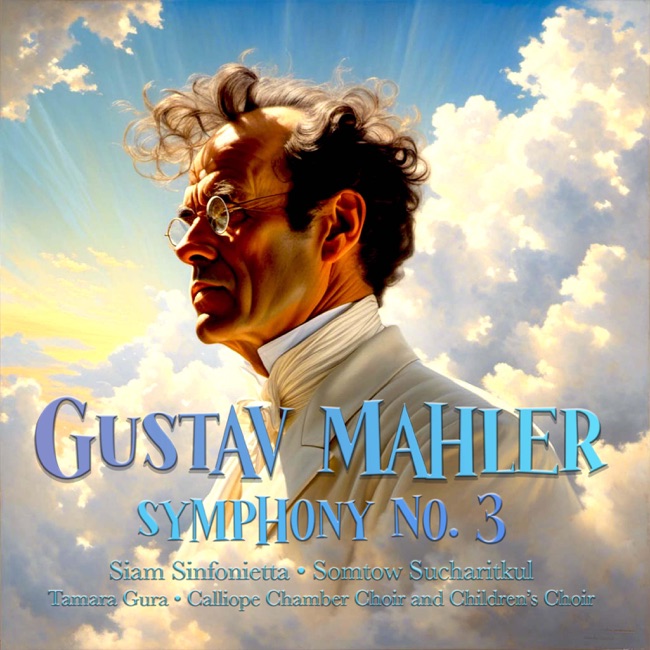
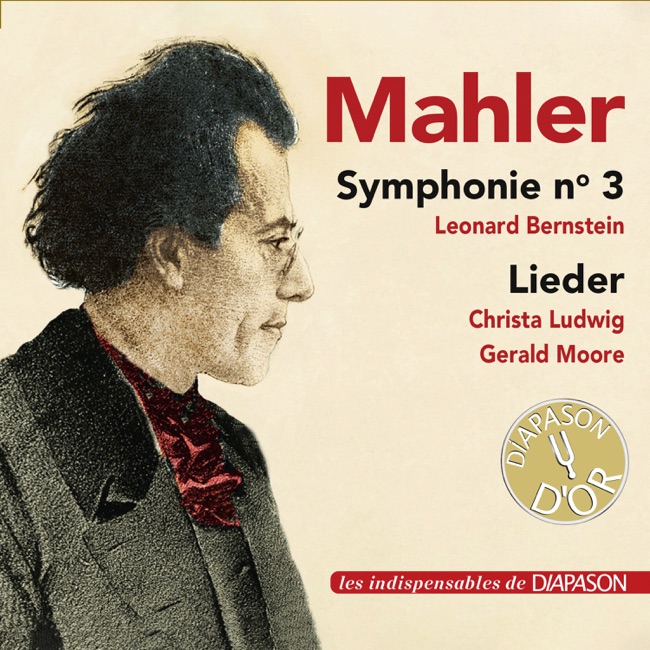
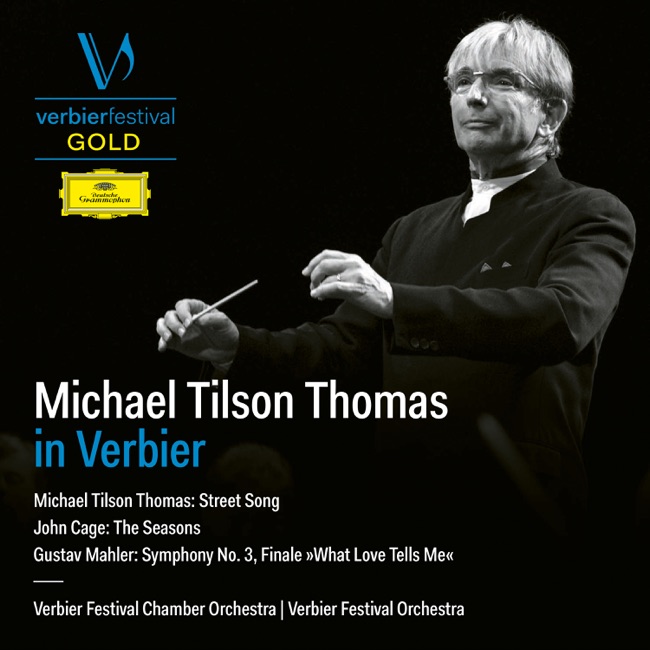
Featured Album
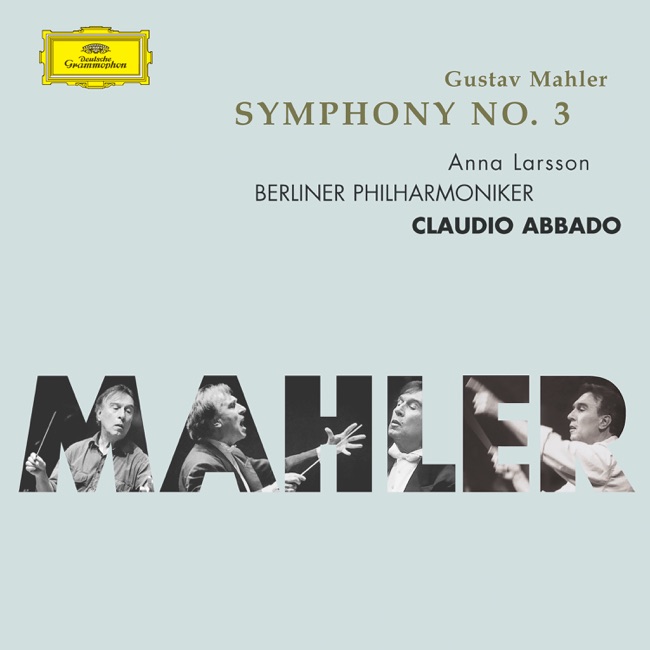
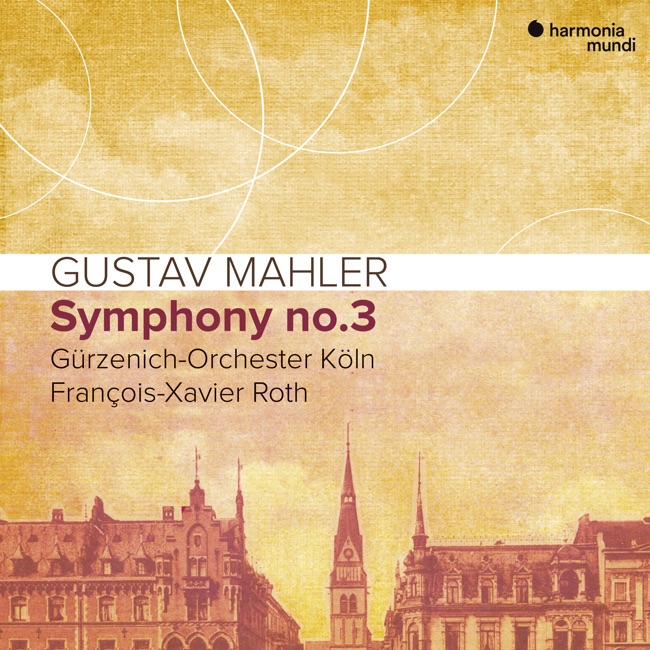
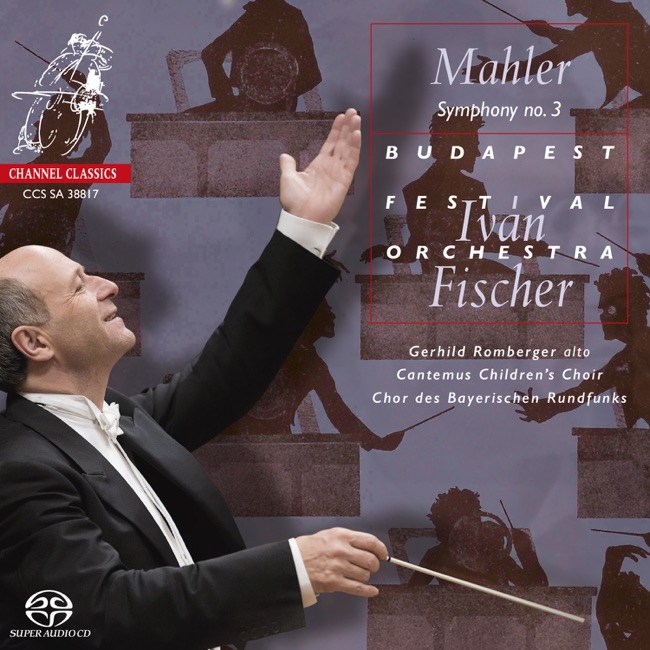
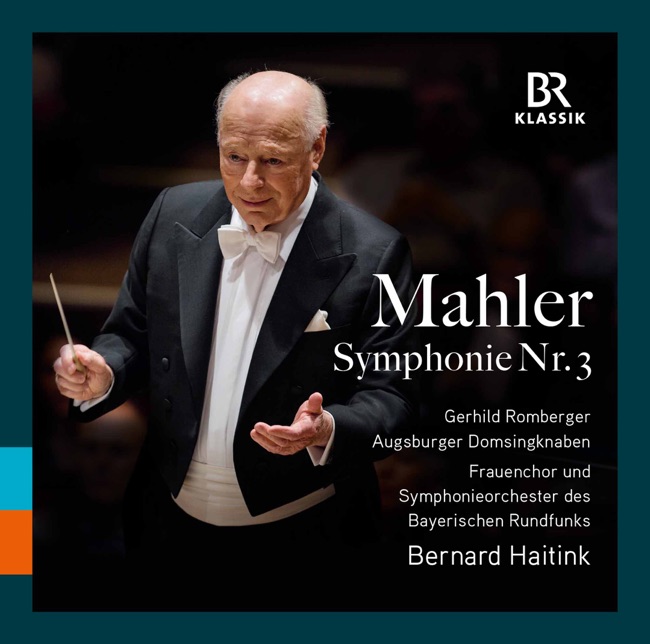
Works Info
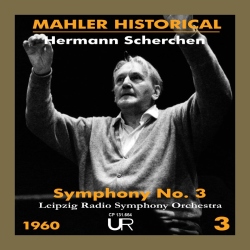
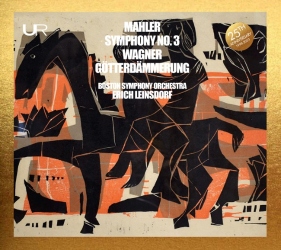
Composer:Gustav MahlerGenre:SymphonyStyle:SymphonyCompose Date:1893 - 1896Publication Date:1899 - 1906First Performance:Jun 9, 1902Average_duration:96:06Movement_count:6Movement ....Gustav Mahler's Symphony No. 3 in D minor is a monumental work that was composed between 1893 and 1896. It premiered on June 9, 1902, in Krefeld, Germany, with the composer conducting. The symphony is divided into six movements and has a total duration of approximately 100 minutes. The first movement, marked "Kraftig. Entschieden" (Strong and decisive), is a massive and complex movement that lasts over 30 minutes. It begins with a horn solo that is answered by the rest of the orchestra. The movement is characterized by its use of counterpoint, with multiple themes and motifs being developed simultaneously. The movement ends with a triumphant brass fanfare. The second movement, marked "Tempo di Menuetto" (Minuet tempo), is a scherzo that features a solo posthorn. The posthorn is a type of brass instrument that was commonly used in rural areas of Austria and Germany. The movement has a rustic, folk-like quality and is reminiscent of a country dance. The third movement, marked "Comodo. Scherzando" (Comfortable. Playful), is a slow, lyrical movement that features a solo alto voice. The text for this movement is taken from Nietzsche's "Also sprach Zarathustra" and describes the joys of nature and the beauty of the world. The fourth movement, marked "Sehr langsam. Misterioso" (Very slow. Mysterious), is a hauntingly beautiful movement that features a solo violin. The movement is characterized by its use of chromaticism and its shifting tonal centers. The fifth movement, marked "Lustig im Tempo und keck im Ausdruck" (Cheerful in tempo and cheeky in expression), is a scherzo that features a children's chorus. The text for this movement is taken from a collection of folk poems called "Des Knaben Wunderhorn" and describes the antics of a group of animals. The final movement, marked "Langsam. Ruhevoll. Empfunden" (Slow. Peaceful. Deeply felt), is a massive adagio that lasts over 25 minutes. The movement features a solo mezzo-soprano and a women's chorus. The text for this movement is taken from a poem by Friedrich Nietzsche called "Midnight Song" and describes the eternal cycle of life and death. Overall, Mahler's Symphony No. 3 is a monumental work that showcases the composer's mastery of orchestration and his ability to create complex and multi-layered musical structures. The symphony is characterized by its use of folk-like melodies, its incorporation of vocal soloists and choruses, and its exploration of themes related to nature, life, and death.More....
Works Music
Released Music



Featured Music









Main Perform Artists
Choir/Chorus
Contralto Vocal
Vocals
Contralto (Vocal)
Alto (Vocals)
Tenor (Vocal)
Soprano (Vocal)
Choir/Chorus
Lektorat