


Alexander von Zemlinsky
Released Album
Chamber
-
-
 June 24, 2023
 -
 April 7, 2023
 -
 November 18, 2022
 -
 May 20, 2022
 -
 February 1, 2022
Vocal
-
 September 15, 2023
 -
 January 6, 2023
 -
 August 27, 2021
 -
 June 4, 2021
 -
 March 12, 2021
 -
 September 4, 2020
Symphony
-
-
 February 15, 2019
 -
 February 3, 2014
 -
 March 1, 2011
 -
 October 27, 2010
 -
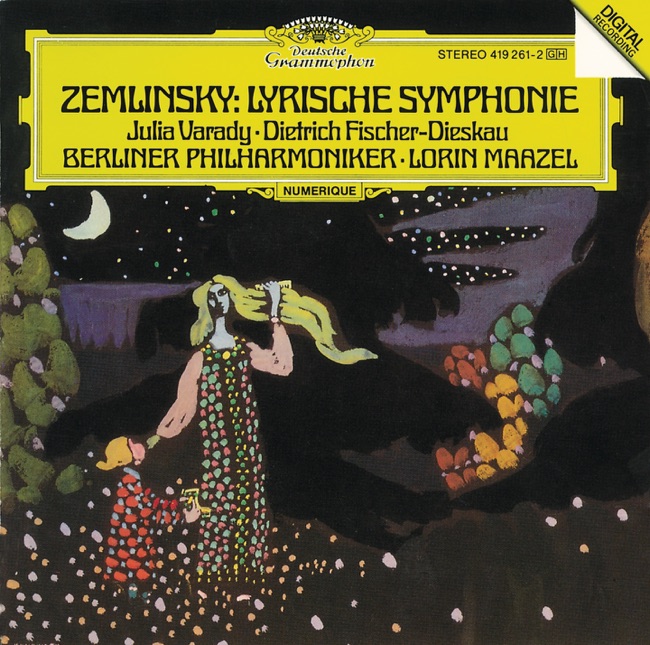 April 24, 2007
Opera
-
 June 4, 2021
 -
 January 3, 2020
 -
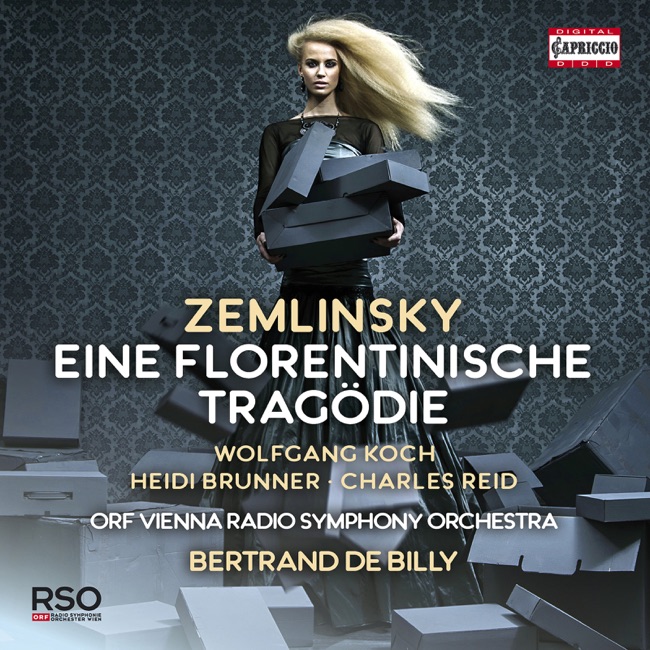 January 5, 2018
 -
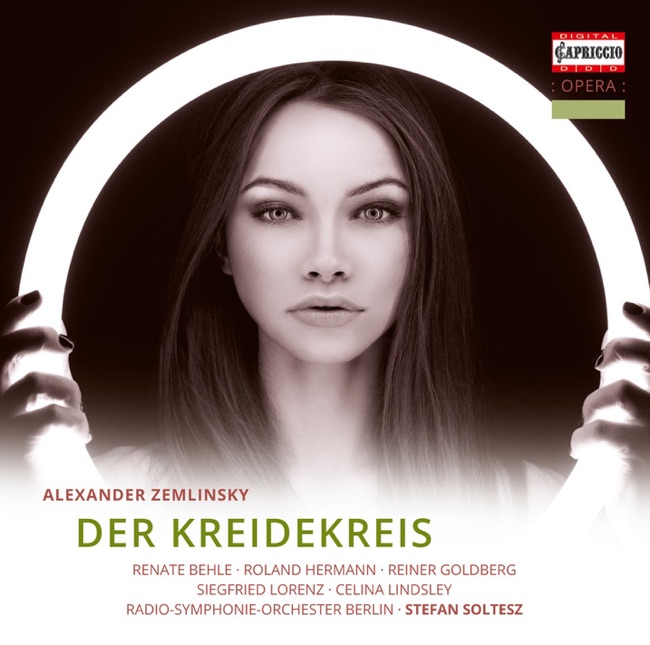 September 30, 2013
 -
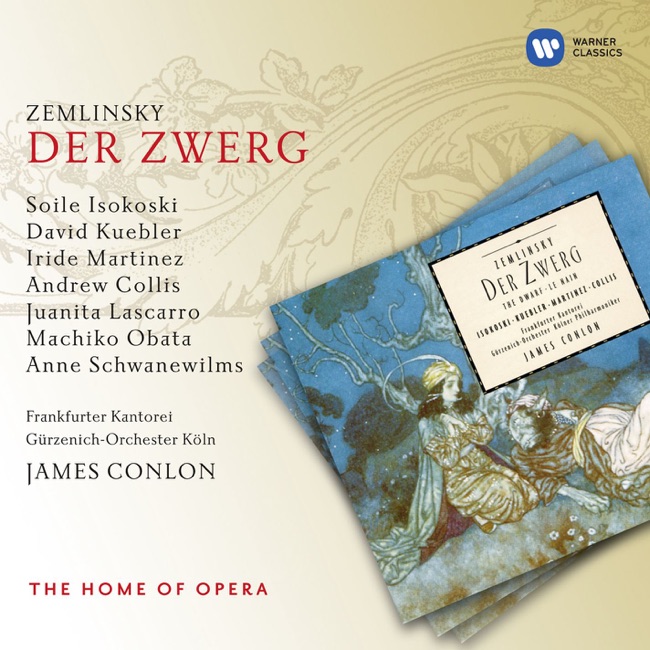 January 14, 2013
 -
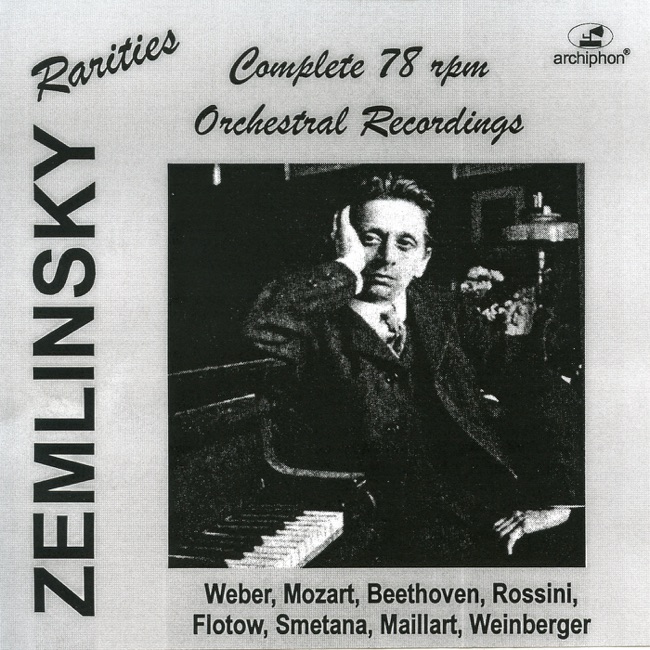 August 1, 2012
Artist Info
Role:Composer ConductorCountry: AustriaBirth:October 14, 1871 in Vienna, AustriaDeath:March 15, 1942 in Larchmont, NYPeriod:ContemporaryModernGenre:ChamberOperaVocalAlexander von Zemlinsky was a prominent Austrian composer and conductor of the late Romantic and early modernist periods. He was born on October 14, 1871, in Vienna, Austria, to a family of Jewish origin. His father, Adolf Zemlinsky, was a textile manufacturer, and his mother, Johanna, was a pianist and singer. Zemlinsky showed an early interest in music and began taking piano lessons at the age of six. Zemlinsky's musical education began at the Vienna Conservatory, where he studied composition with Robert Fuchs and piano with Anton Door. He also studied harmony and counterpoint with Johann Nepomuk Fuchs, the brother of Robert Fuchs. Zemlinsky's early compositions were influenced by the music of Brahms and Wagner, but he soon developed his own style, which was characterized by lush harmonies, complex textures, and a highly expressive melodic language. In 1892, Zemlinsky met the composer and conductor Gustav Mahler, who became his mentor and friend. Mahler recognized Zemlinsky's talent and helped him to secure a position as a conductor at the Carltheater in Vienna. Zemlinsky also worked as a conductor at the Vienna Volksoper and the Deutsches Theater in Prague. Zemlinsky's early compositions include a number of chamber works, such as the String Quartet No. 1 in A major (1896) and the Trio for Clarinet, Cello, and Piano in D minor (1896). These works demonstrate Zemlinsky's skill in creating richly textured and emotionally charged music. In 1900, Zemlinsky married Ida Guttmann, a soprano who later became a prominent voice teacher. The couple had a stormy relationship, and their marriage was marked by infidelity and jealousy. Nevertheless, Ida remained an important influence on Zemlinsky's music, and he dedicated several works to her, including the opera Es war einmal (Once Upon a Time) and the song cycle Walzer-Gesänge (Waltz Songs). Zemlinsky's most famous work is the opera Der Zwerg (The Dwarf), which was based on a story by Oscar Wilde. The opera tells the tragic story of a dwarf who falls in love with a beautiful princess but is rejected because of his deformity. The music is highly emotional and expressive, with lush harmonies and soaring melodies. The opera premiered in Cologne in 1922 and was later performed in Vienna, Berlin, and other cities. Zemlinsky's other operas include Eine florentinische Tragödie (A Florentine Tragedy), based on a play by Oscar Wilde, and Der Kreidekreis (The Chalk Circle), based on a play by Klabund. These works demonstrate Zemlinsky's skill in creating dramatic and emotionally charged music. In addition to his operas, Zemlinsky composed a number of orchestral works, including the Symphony No. 1 in D minor (1892), the Lyric Symphony for soprano, baritone, and orchestra (1923), and the Sinfonietta for orchestra (1934). These works demonstrate Zemlinsky's skill in creating richly textured and emotionally charged music. Zemlinsky's music fell out of favor after World War II, and he was largely forgotten until the 1980s, when his works began to be rediscovered and performed. Today, he is recognized as one of the most important composers of the early 20th century, and his music continues to be performed and recorded around the world.More....
Recent Artist Music
1
Forest Talk, ballad for soprano, 2 horns, harp & strings
Waldgespräch Ballad for soprano, two horns, harp and violin
7:3
5
3:24
11
5:48










Related Artists
Copyright Ⓒ 2013 Davinci Finger. All rights reseved
Service Terms & Policy