


Anton Bruckner
Released Album
Symphony
-
 October 18, 2024
 -
 September 27, 2024
 -
 September 6, 2024
 -
 September 6, 2024
 -
 August 30, 2024
 -
 August 30, 2024
Choral
-
 October 4, 2024
 -
 September 6, 2024
 -
 September 4, 2024
 -
 July 12, 2024
 -
-
 December 31, 2023
Chamber
-
-
 February 10, 2021
 -
 June 5, 2020
 -
 September 20, 2019
 -
 August 17, 2018
 -
 January 6, 2017
Keyboard
-
 September 15, 2023
 -
-
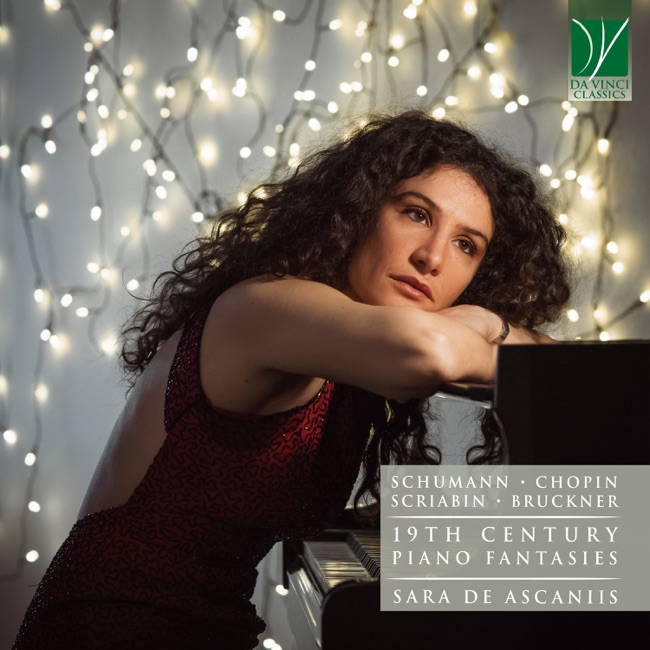
-
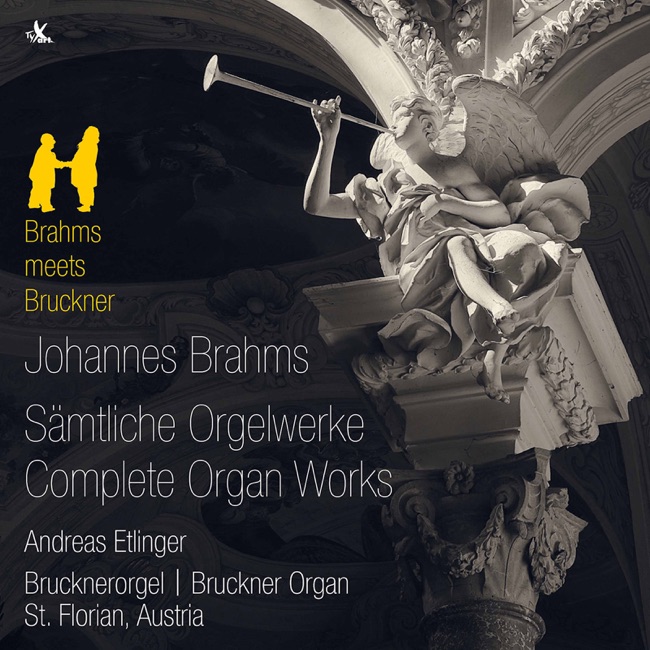
-
 November 1, 2019
 -
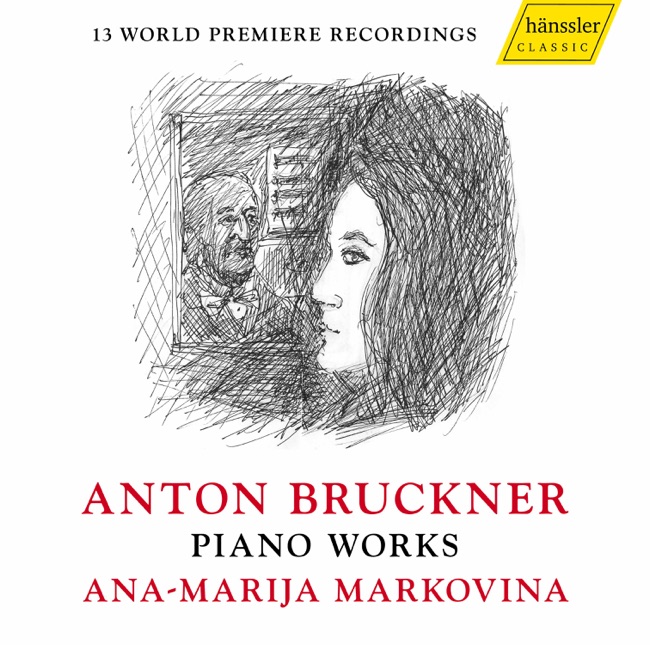 August 3, 2018
Artist Info
Role:ComposerCountry: AustriaBirth:September 4, 1824 in Ansfelden, AustriaDeath:October 11, 1896 in Vienna, AustriaPeriod:RomanticGenre:ChoralSymphonyAnton Bruckner was a prominent Austrian composer of the late Romantic era, known for his monumental symphonies and sacred choral works. Born on September 4, 1824, in Ansfelden, a small village near Linz, Bruckner was the eldest of eleven children in a humble family of farmers and craftsmen. His father, Anton Bruckner Sr., was a schoolmaster and church organist who recognized his son's musical talent early on and encouraged him to pursue a career in music. Bruckner's musical education began at the age of four, when he started singing in the church choir and playing the organ under his father's guidance. He showed remarkable aptitude for improvisation and composition, and by the age of twelve, he had already written his first piece, a setting of the Latin hymn "Ave Maria." However, his formal training was delayed by his family's financial struggles and his own lack of confidence. It was not until he was twenty-three that he enrolled in the Vienna Conservatory, where he studied harmony, counterpoint, and composition with Simon Sechter, a renowned teacher and theorist. Despite his late start, Bruckner made rapid progress and soon developed a distinctive style that blended the contrapuntal rigor of Bach, the harmonic richness of Wagner, and the mystical fervor of Catholicism. His first major work, the Mass in D minor, premiered in 1864 and earned him critical acclaim and the patronage of the Archduke Franz Joseph Maximilian of Austria. This led to a series of commissions for sacred music, including the Te Deum, the Requiem, and the motets, which established Bruckner as one of the leading composers of his time. However, it was his symphonies that brought Bruckner the most fame and controversy. He wrote nine symphonies in total, each of them a vast and complex structure that challenged the conventions of classical form and expression. His symphonies were characterized by their expansive themes, intricate counterpoint, and bold harmonies, as well as their use of brass and percussion to create a grandiose and majestic sound. They were also marked by their religious and philosophical themes, which reflected Bruckner's deep faith and his search for transcendence in music. The first three symphonies, written between 1866 and 1873, were heavily revised and reworked by Bruckner over the years, reflecting his self-critical nature and his desire to perfect his art. The Fourth Symphony, also known as the "Romantic," was premiered in 1881 and became his most popular and frequently performed work. It was followed by the Fifth Symphony, which was dedicated to his idol, Wagner, and premiered in 1894 to mixed reviews. The Sixth Symphony, written in 1879, was the most concise and lyrical of his symphonies, while the Seventh Symphony, written in 1883, was the most emotionally intense and dramatic. The Eighth Symphony, written between 1884 and 1890, was Bruckner's most ambitious and monumental work, spanning over an hour and a half and featuring a massive orchestra and choir. It was also his most controversial work, as it challenged the traditional symphonic form and incorporated elements of Wagnerian opera and medieval chant. The premiere of the Eighth Symphony in 1892 was a disaster, with the audience and critics divided between admiration and bewilderment. Bruckner was devastated by the reception and spent the rest of his life revising the work, producing three different versions.More....
Recent Artist Music
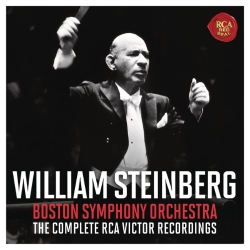
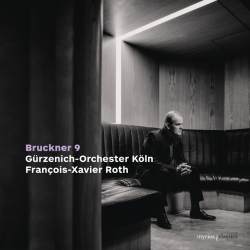
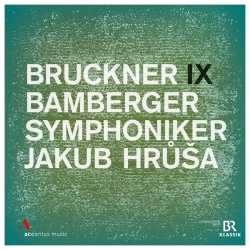
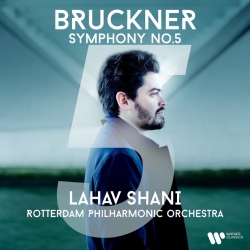
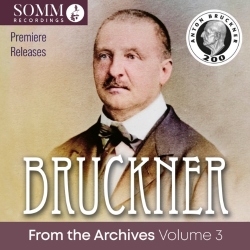
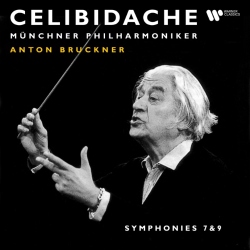
12
3:8
15
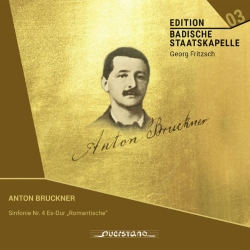
Symphony No. 4 in E flat "Romantic", WAB 104
III. Scherzo Bewegt- Trio: Nicht zu schnell, keinesfalls schleppend
11:36
Works Highlight
Recommend Playlist

















Related Artists
Copyright Ⓒ 2013 Davinci Finger. All rights reseved
Service Terms & Policy