


Jean Sibelius
Released Album
Orchestral
-
 October 4, 2024
 -
 May 24, 2024
 -
 March 11, 2024
 -
 February 20, 2024
 -
 February 16, 2024
 -
 January 10, 2024
Symphony
-
 June 21, 2024
 -
 May 31, 2024
 -
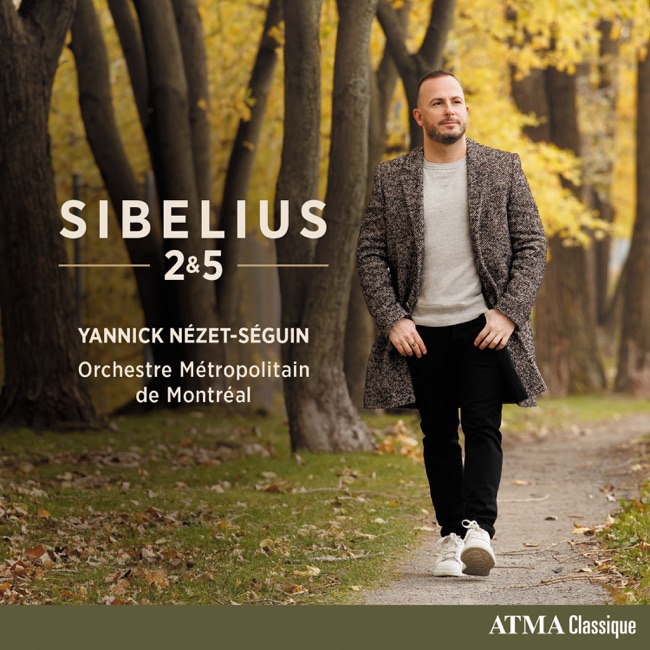 March 15, 2024
 -
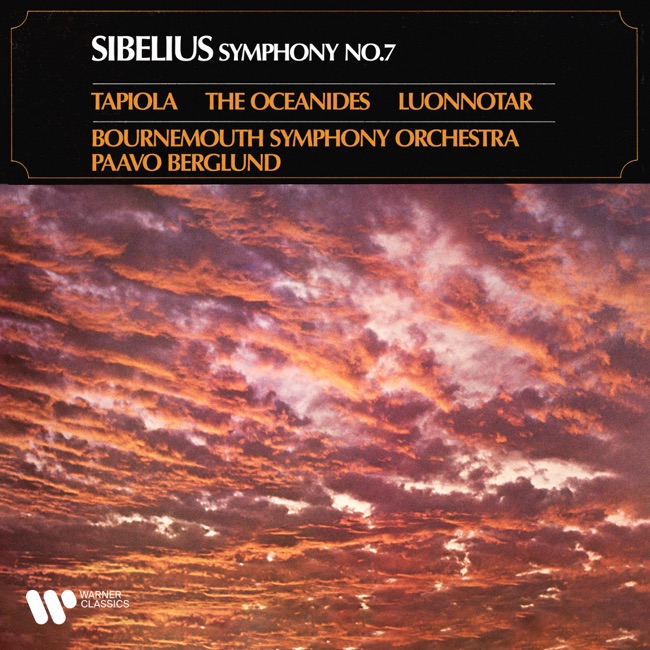 January 26, 2024
 -
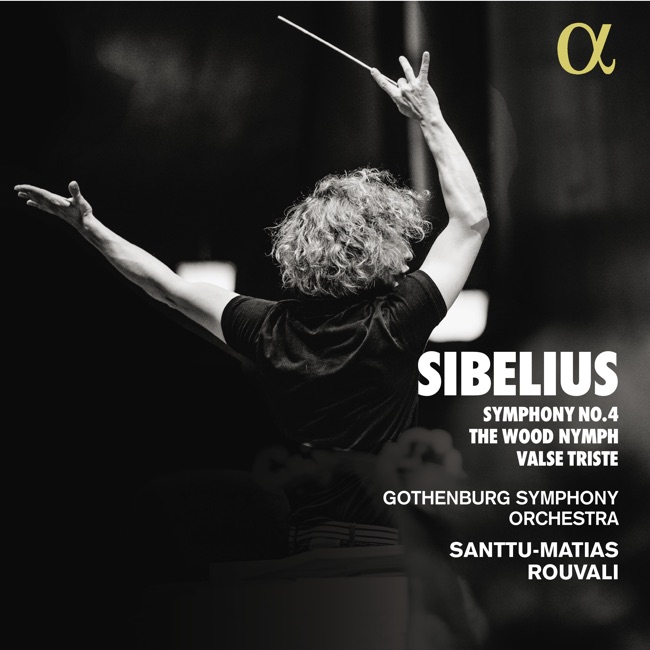 January 19, 2024
 -
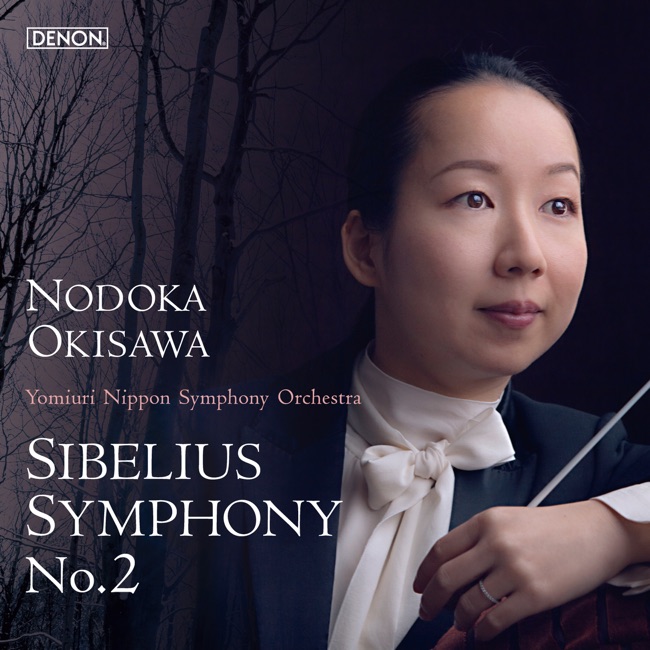 December 20, 2023
Concerto
-
-
 May 16, 2024
 -

-
 December 1, 2023
 -
-
 April 14, 2023
Chamber
-
-
 September 10, 2024
 -
 February 1, 2024
 -

-
 September 1, 2023
 -
 July 7, 2023
Artist Info
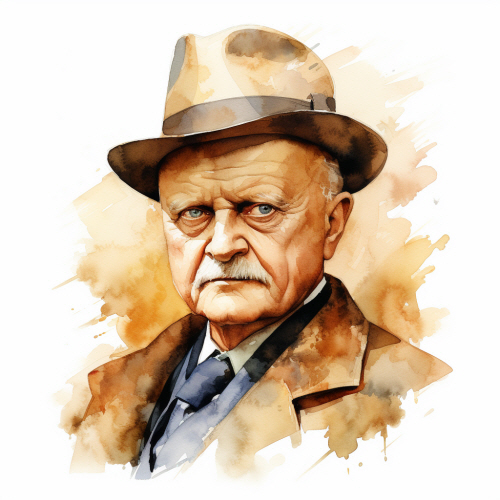
Role:Composer ConductorCountry: FinlandBirth:December 8, 1865 in Hämeenlinna, FinlandDeath:September 20, 1957 in Järvenpää, FinlandPeriod:ContemporaryModernGenre:OrchestralSymphonyJean Sibelius was a Finnish composer who is widely regarded as one of the most important figures in the history of classical music. Born on December 8, 1865, in Hämeenlinna, Finland, Sibelius was the son of a doctor and a Swedish-speaking mother. He showed an early interest in music and began taking violin lessons at the age of nine. Sibelius continued his musical studies at the Helsinki Music Institute, where he studied composition with Martin Wegelius. He also studied law at the University of Helsinki, but his passion for music soon led him to abandon his legal studies and focus on his musical career. In 1892, Sibelius married Aino Järnefelt, the daughter of a prominent Finnish general. The couple had six children together, and Aino played an important role in Sibelius's life and career, serving as his muse and confidante. Sibelius's early works were heavily influenced by the Romantic composers of the time, particularly Tchaikovsky and Wagner. His first major work, the Kullervo Symphony, was based on a Finnish epic poem and premiered in 1892 to critical acclaim. Over the next few years, Sibelius continued to compose a series of symphonies, including the Second Symphony, which is widely regarded as his masterpiece. The symphony premiered in 1902 and was an immediate success, cementing Sibelius's reputation as one of the leading composers of his time. Sibelius's music was deeply rooted in Finnish culture and history, and he drew inspiration from the natural beauty of his homeland. His works often featured themes of nature, mythology, and the struggle for Finnish independence. In addition to his symphonies, Sibelius composed a number of other works, including chamber music, choral music, and operas. His most famous work outside of the symphonies is probably Finlandia, a patriotic tone poem that has become a symbol of Finnish national identity. Despite his success, Sibelius struggled with alcoholism and depression throughout his life. He also suffered from a number of physical ailments, including a tumor in his throat that forced him to stop composing for several years. In 1926, Sibelius underwent a major operation to remove the tumor, and he emerged from the experience with a renewed sense of purpose. He went on to compose a number of important works in the years that followed, including his Seventh Symphony, which premiered in 1924. Sibelius's later works were more experimental and abstract than his earlier compositions, and they were often met with mixed reviews. Nevertheless, he continued to be regarded as one of the most important composers of his time, and his influence can be heard in the works of many later composers. Sibelius died on September 20, 1957, at the age of 91. His legacy as one of the greatest composers of the 20th century continues to be celebrated today, and his music remains a beloved part of the classical repertoire.More....
Recent Artist Music





13
2:29
14
3:42
15
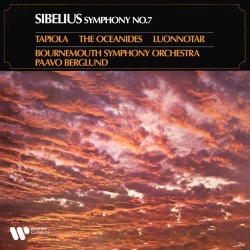
7:39
Works Highlight
Recommend Playlist

















Related Artists
Copyright Ⓒ 2013 Davinci Finger. All rights reseved
Service Terms & Policy