


Jean Sibelius
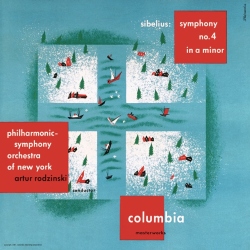
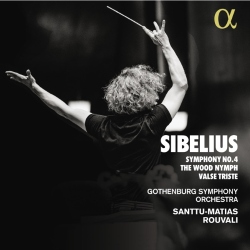
Symphony No. 4 in A minor, Op. 63
Released Album
Recent Album
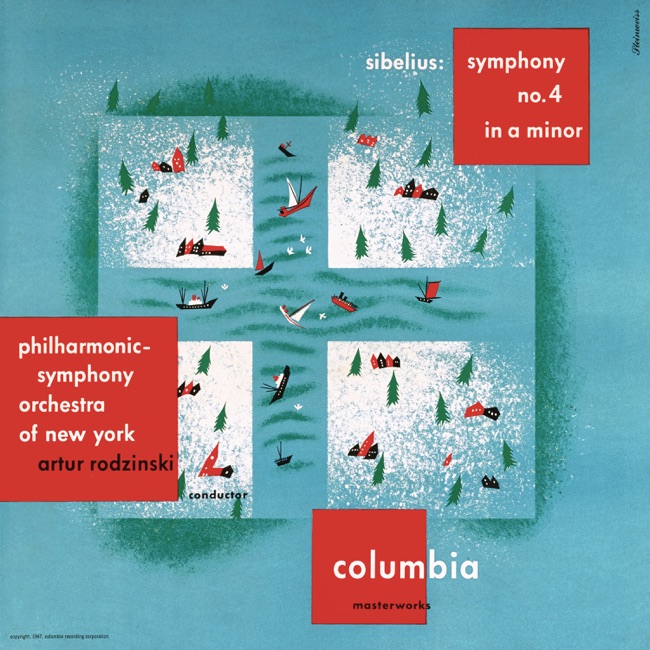
Featured Album
Works Info
Composer:Jean SibeliusGenre:SymphonyStyle:SymphonyCompose Date:1910 - 1911First Performance:Apr 3, 1911Average_duration:36:14Movement_count:4Movement ....Jean Sibelius' Symphony No. 4 in A minor, Op. 63 was composed between 1910 and 1911 and premiered on April 3, 1911, in Helsinki, Finland. The symphony is comprised of four movements and has a total running time of approximately 35 minutes. The first movement, marked Tempo molto moderato, begins with a somber and brooding theme in the cellos and basses. This theme is then taken up by the violins and developed throughout the movement. The overall mood of the movement is one of melancholy and introspection, with occasional outbursts of passion and intensity. The second movement, marked Allegro molto vivace, is a scherzo that is characterized by its driving rhythms and playful melodies. The movement is in A major, providing a stark contrast to the somber A minor of the first movement. The middle section of the movement features a hauntingly beautiful melody in the woodwinds that is later taken up by the strings. The third movement, marked Il tempo largo, is a slow and contemplative adagio that is perhaps the most emotionally charged of the four movements. The movement begins with a mournful theme in the cellos and basses that is then taken up by the violins. The middle section of the movement features a soaring melody in the oboe that is later echoed by the strings. The final movement, marked Allegro, is a tumultuous and intense finale that brings the symphony to a thrilling conclusion. The movement is characterized by its driving rhythms and powerful brass fanfares. The movement builds to a frenzied climax before finally resolving in the home key of A minor. Overall, Symphony No. 4 is a deeply personal and introspective work that reflects Sibelius' own struggles with depression and alcoholism. The symphony is notable for its use of unconventional harmonies and its stark emotional contrasts, as well as its innovative use of orchestration. Despite its initial cool reception, Symphony No. 4 has since become recognized as one of Sibelius' most powerful and influential works.More....
Works Music
Released Music
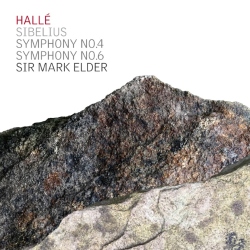
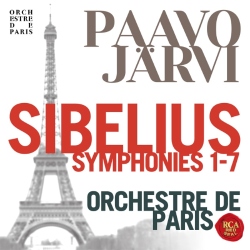
Featured Music
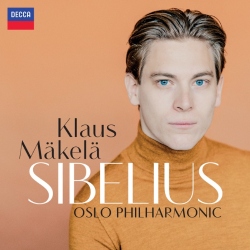
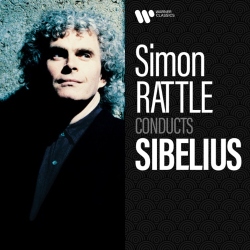





Main Perform Artists