


Ralph Vaughan Williams
Released Album
Orchestral
-
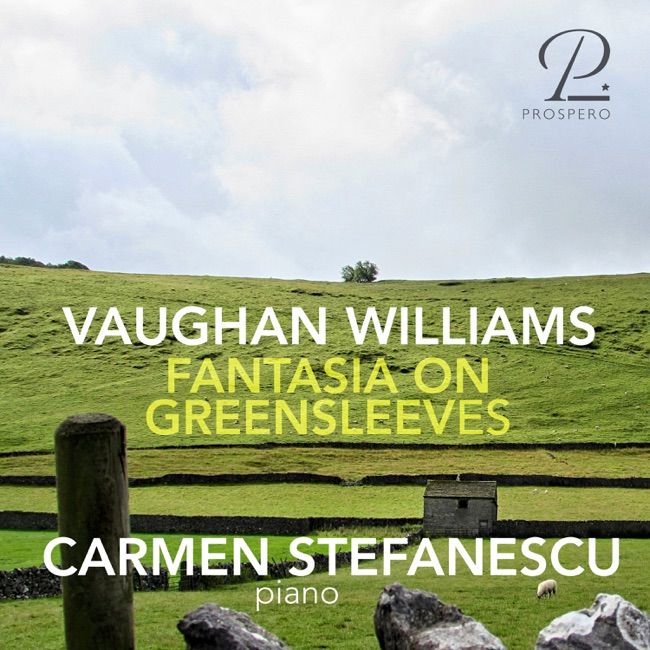
-
 April 12, 2024
 -
 November 24, 2023
 -
 February 10, 2023
 -
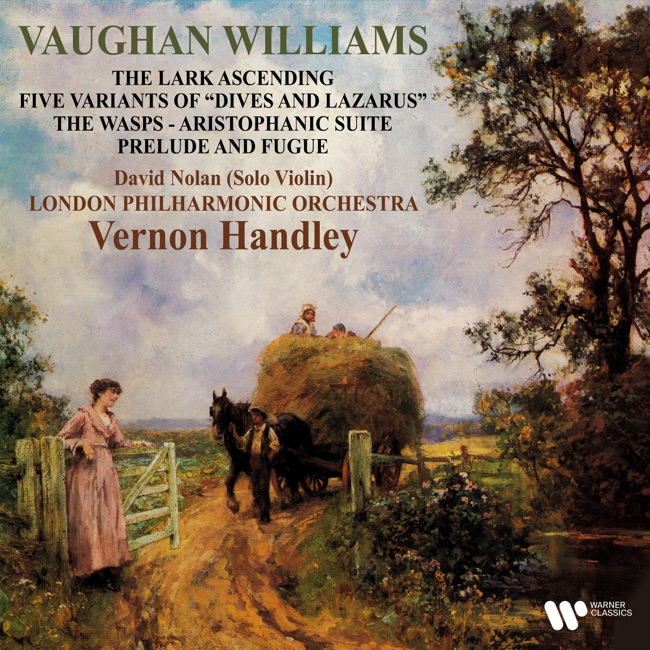
-
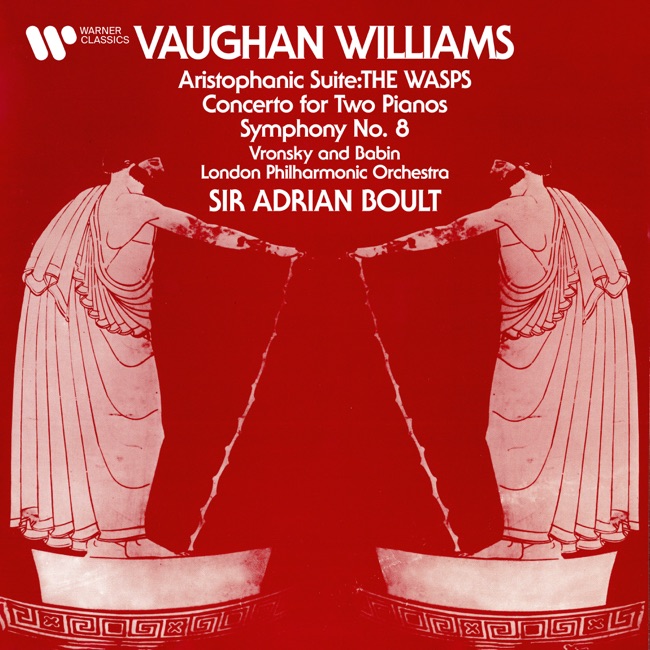 September 23, 2022
Choral
-
 February 16, 2024
 -
-
-
-
 October 12, 2022
Concerto
-
 June 2, 2023
 -
 December 31, 2022
 -
 October 7, 2022
 -
-
 July 4, 2022
Vocal
-
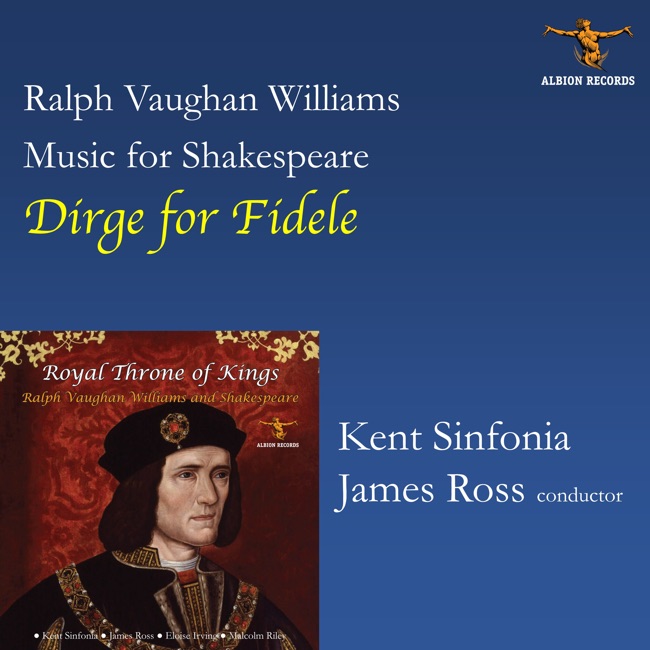 October 4, 2024
 -
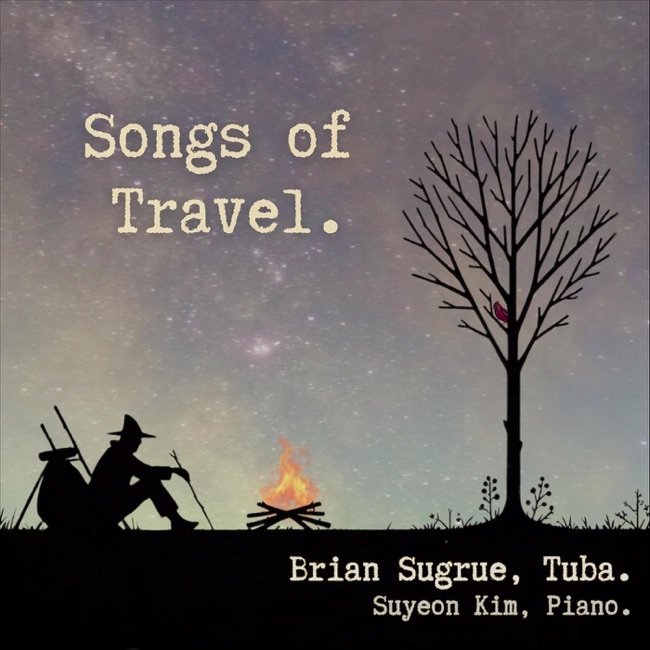 May 21, 2024
 -
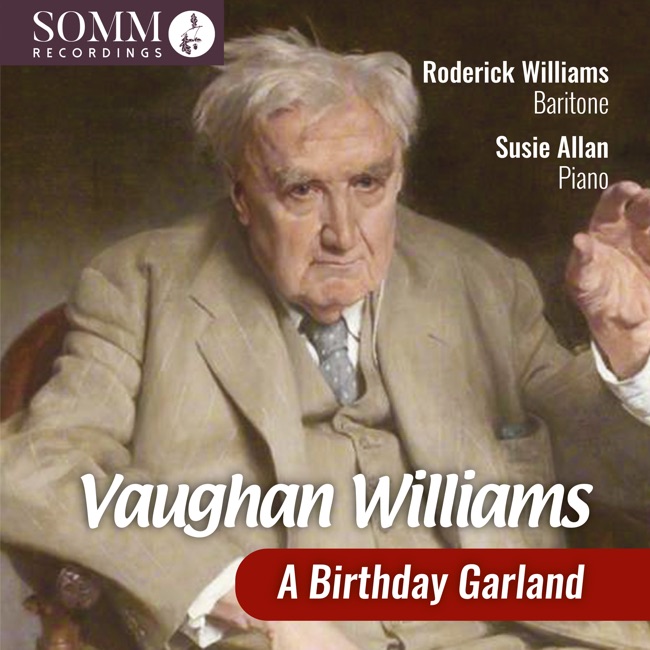 March 29, 2024
 -
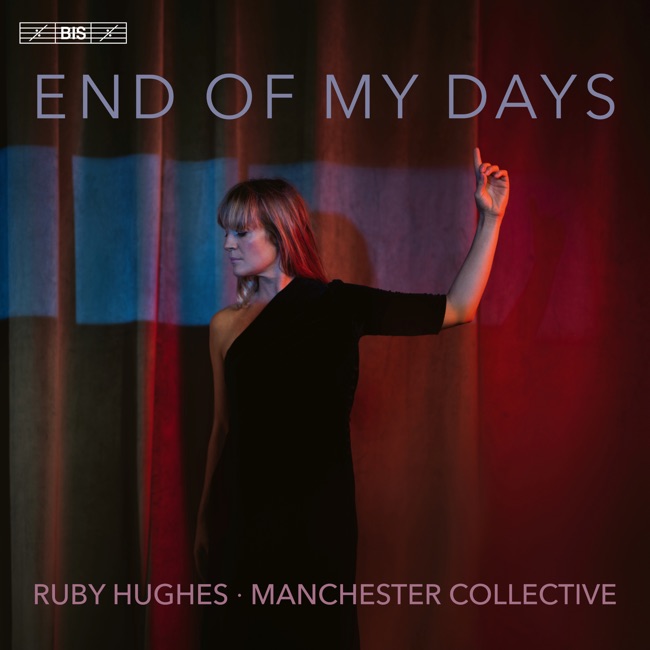 January 19, 2024
 -
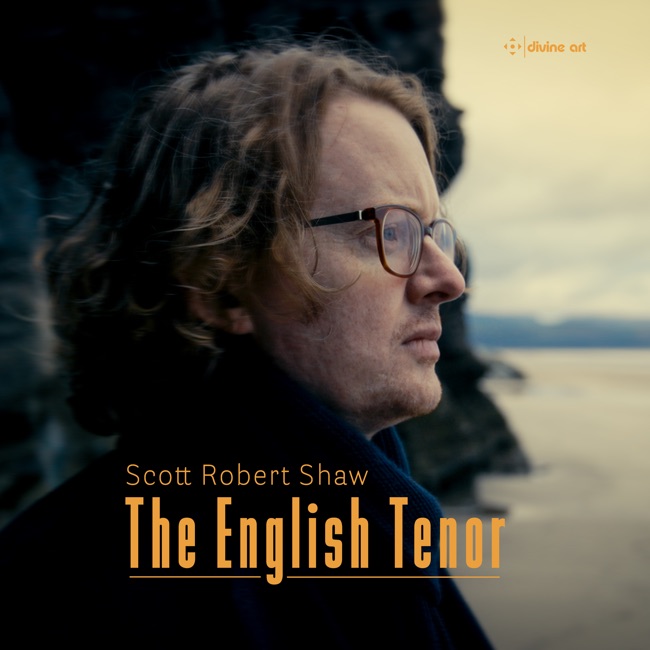 September 8, 2023
 -
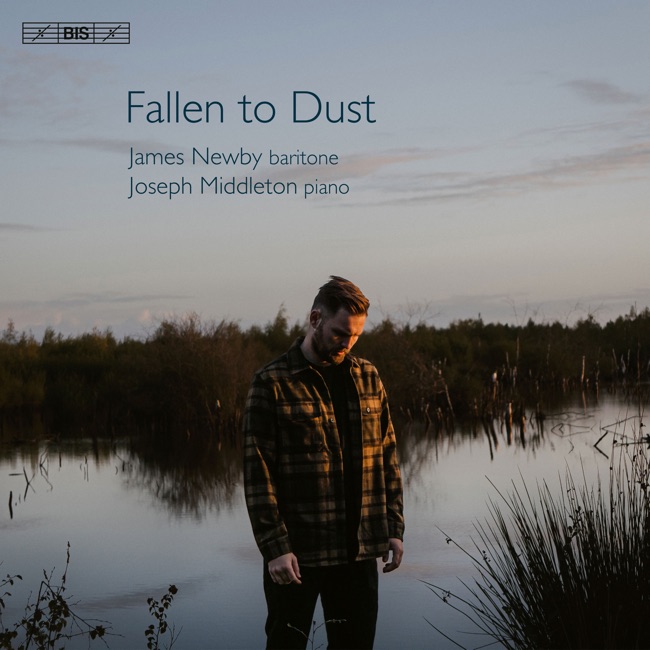 April 7, 2023
Artist Info
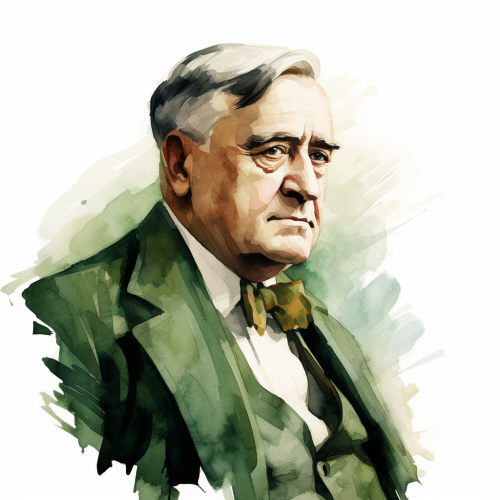
Role:Composer Conductor PerformerCountry: United KingdomBirth:October 12, 1872 in Down Ampney, Gloucestershire, EnglandDeath:August 26, 1958 in EnglandPeriod:RomanticContemporaryGenre:ChoralOrchestralSymphonyVocalRalph Vaughan Williams was a British composer who is widely regarded as one of the most important figures in classical music of the 20th century. Born on October 12, 1872, in Down Ampney, Gloucestershire, England, he was the youngest of three children of Reverend Arthur Vaughan Williams and his wife, Margaret Susan Wedgwood. His father was a vicar and his mother was a member of the prominent Wedgwood family, known for their pottery business. Vaughan Williams showed an early interest in music and began taking piano lessons at the age of six. He later studied at the Royal College of Music in London, where he was a pupil of Charles Villiers Stanford and Hubert Parry. He also studied composition with Maurice Ravel in Paris. Vaughan Williams' early works were heavily influenced by the music of his predecessors, including Gustav Holst and Edward Elgar. However, he soon developed his own unique style, which was characterized by a strong sense of melody, a love of folk music, and a deep connection to the English countryside. One of Vaughan Williams' most famous works is his Symphony No. 2, also known as the "London Symphony." The piece was composed between 1911 and 1913 and was inspired by the sights and sounds of the city of London. The symphony is notable for its use of folk melodies and its evocative depictions of the city's bustling streets and tranquil parks. Another of Vaughan Williams' most famous works is his "The Lark Ascending," a piece for violin and orchestra that was composed in 1914. The piece is based on a poem by George Meredith and is known for its soaring melodies and pastoral themes. It has become one of the most beloved works in the classical repertoire and is often performed at weddings and other special occasions. Vaughan Williams' music was also heavily influenced by his experiences during World War I. He served as a stretcher-bearer in France and Belgium and was deeply affected by the horrors of the war. His Symphony No. 3, also known as the "Pastoral Symphony," was composed in the aftermath of the war and is a deeply emotional work that reflects the composer's feelings of loss and grief. In addition to his symphonies and other orchestral works, Vaughan Williams also composed a number of choral pieces, including his "Mass in G Minor" and his "Five Mystical Songs." He was also a prolific composer of chamber music, including his String Quartet No. 2 and his Piano Quintet in C Minor. Vaughan Williams was also a noted collector of folk songs and was instrumental in preserving many traditional English melodies. He traveled throughout England and collected songs from a wide variety of sources, including farm laborers, shepherds, and sailors. He incorporated many of these melodies into his own compositions, helping to create a uniquely English style of classical music. Vaughan Williams was also a respected music educator and served as a professor of composition at the Royal College of Music from 1920 to 1940. He was a mentor to many young composers, including Benjamin Britten and Michael Tippett. Vaughan Williams continued to compose music throughout his life and remained active in the classical music world until his death on August 26, 1958, at the age of 85. His legacy as one of the most important composers of the 20th century continues to be felt today, and his music remains popular with audiences around the world.More....
Recent Artist Music
1
4:27
2
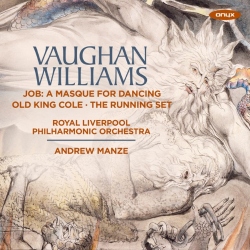
Job, A Mask for Dancing
Scene 1: Introduction - Pastoral Dance - Satan's Appeal to God - Saraband of the Sons of God
10:33
3

3:50
7
15:39
11
4:20
Works Highlight
Recommend Playlist










Related Artists
Copyright Ⓒ 2013 Davinci Finger. All rights reseved
Service Terms & Policy