


Edmund Rubbra
Released Album
Choral
-
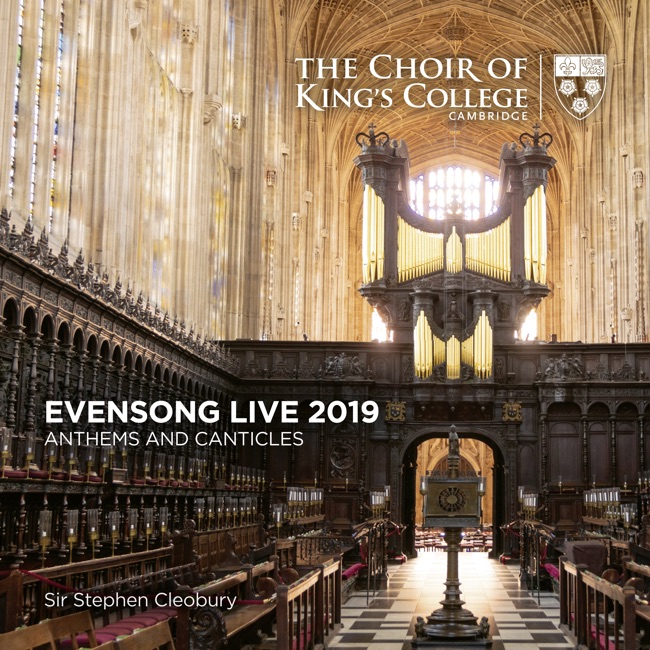 September 13, 2019
 -
-
 April 26, 2019
 -
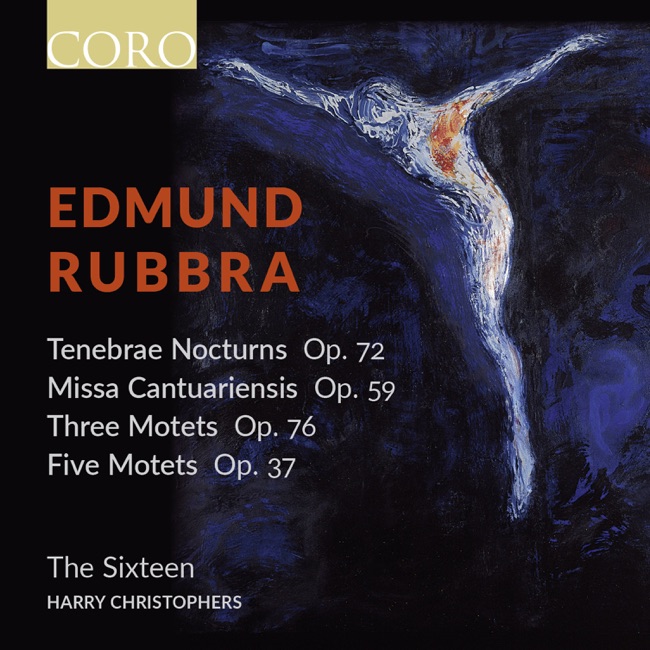
-
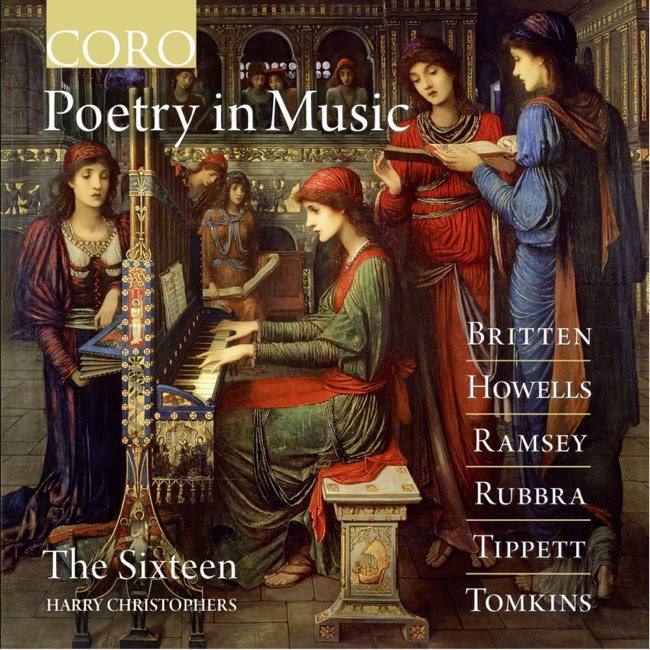
-
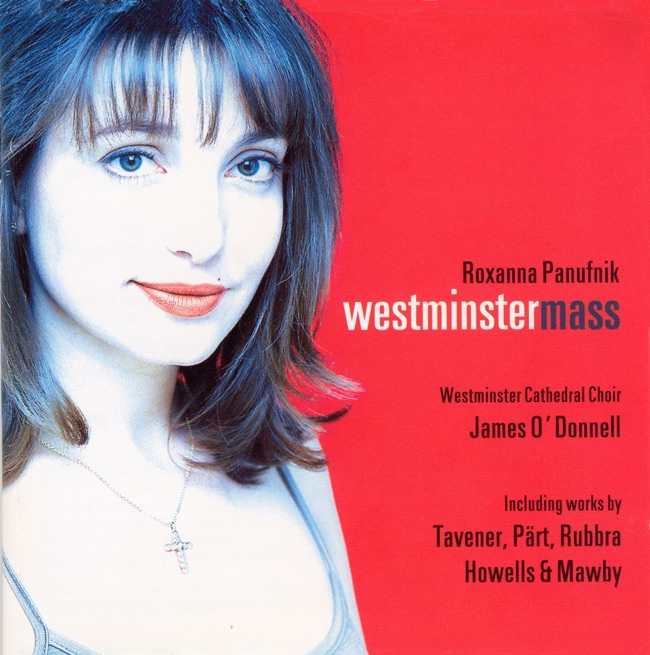 April 30, 2013
Chamber
-
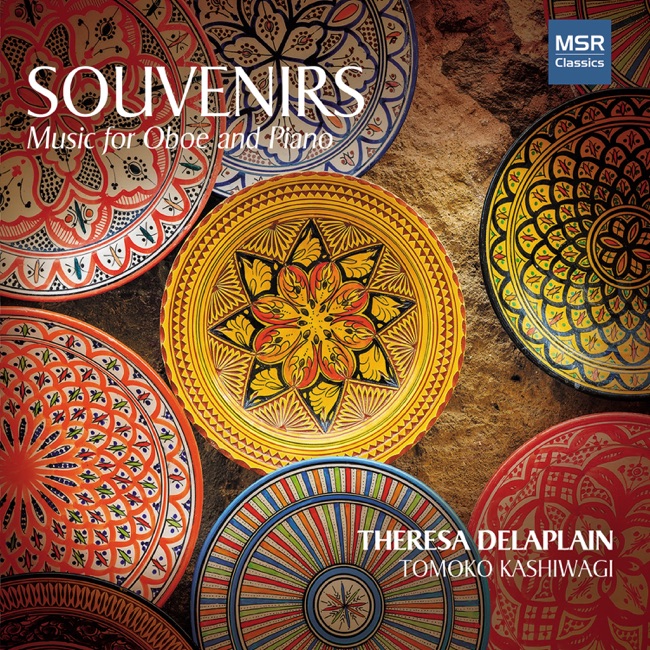 November 22, 2019
 -
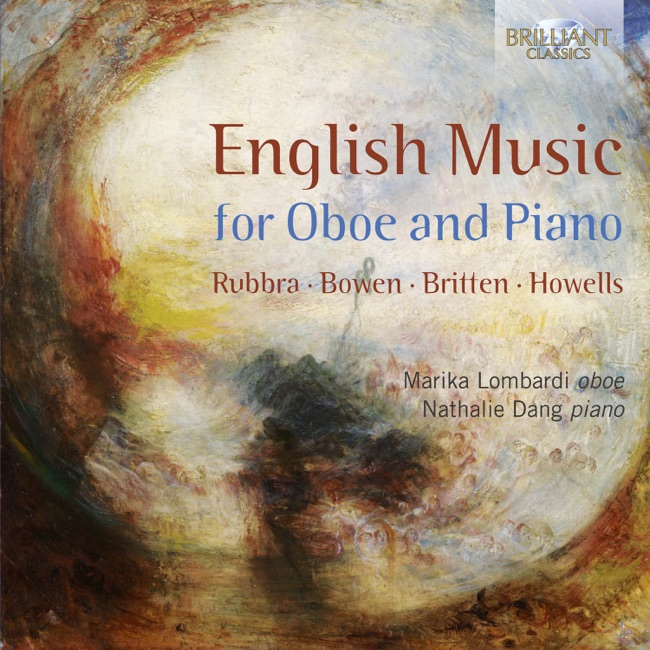 December 15, 2017
 -
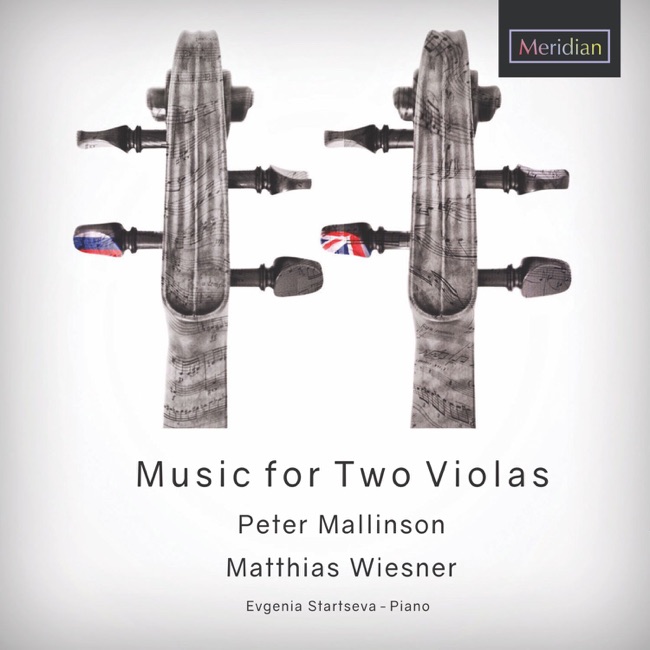 May 5, 2017
 -
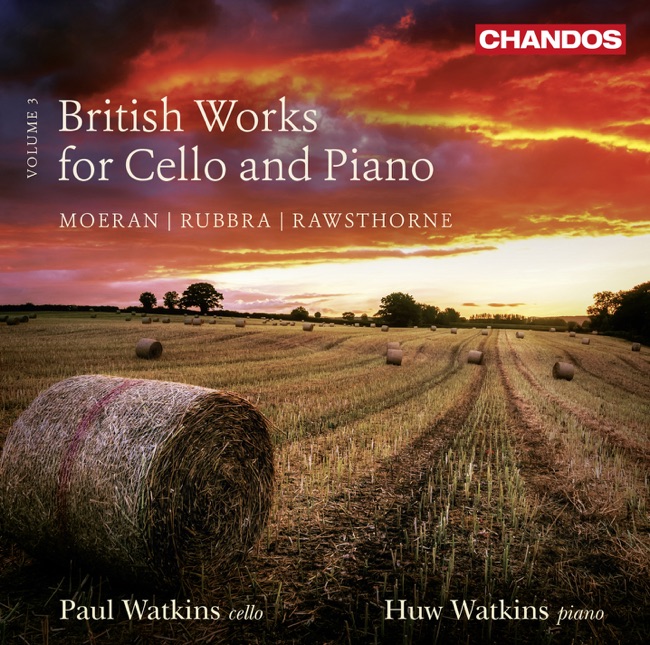 May 6, 2014
 -
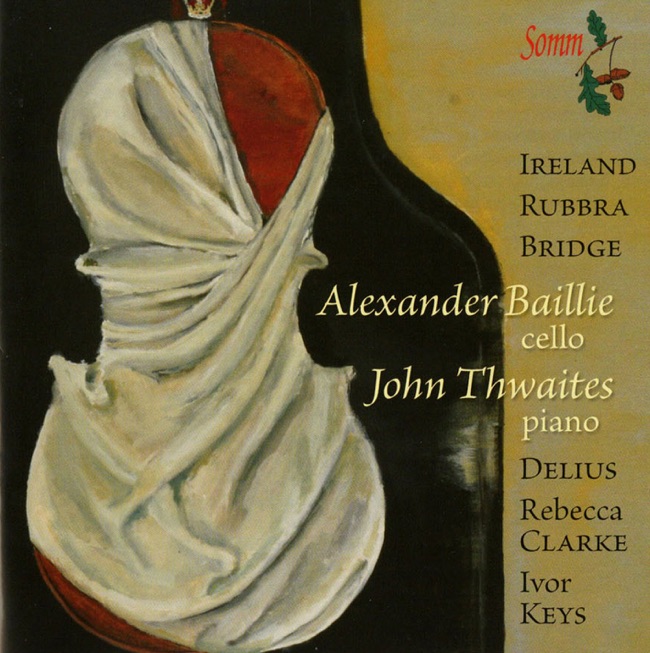 October 8, 2013
 -
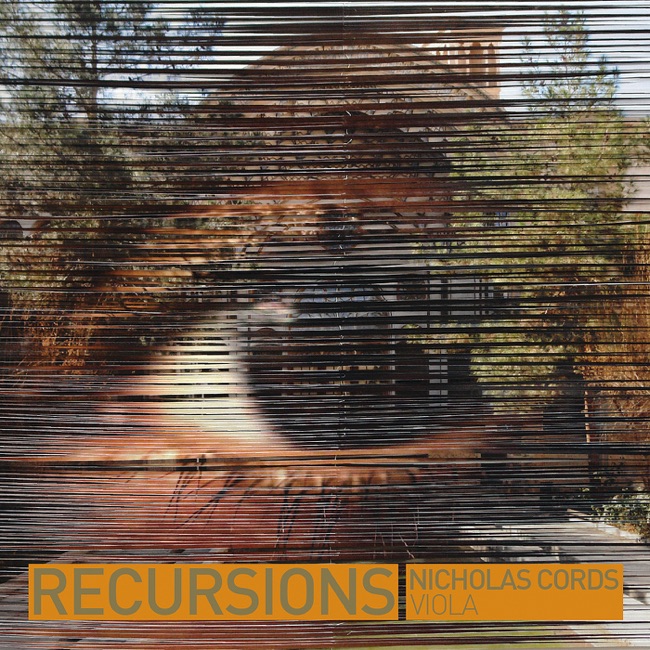 March 12, 2013
Vocal
-
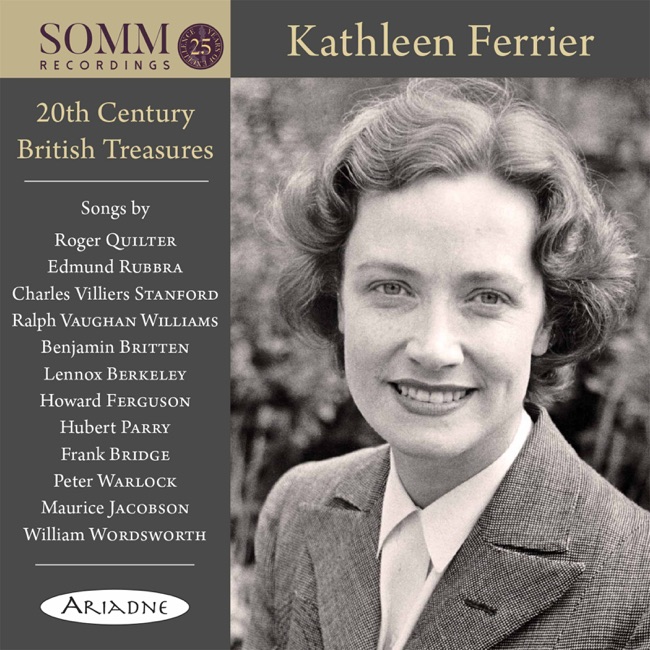 January 1, 2021
 -
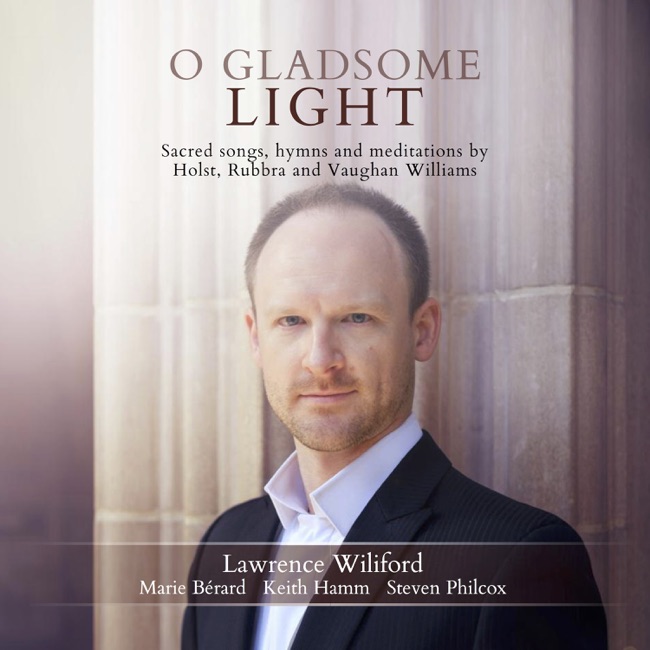
-
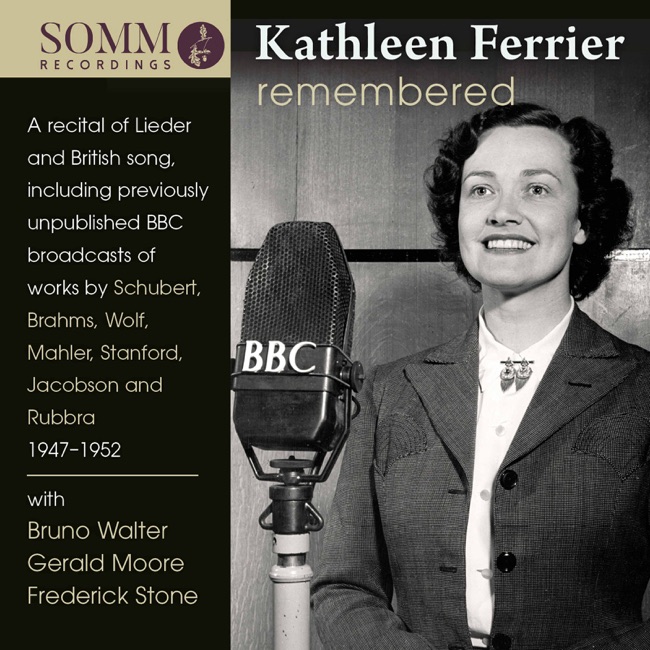 June 23, 2017
 -
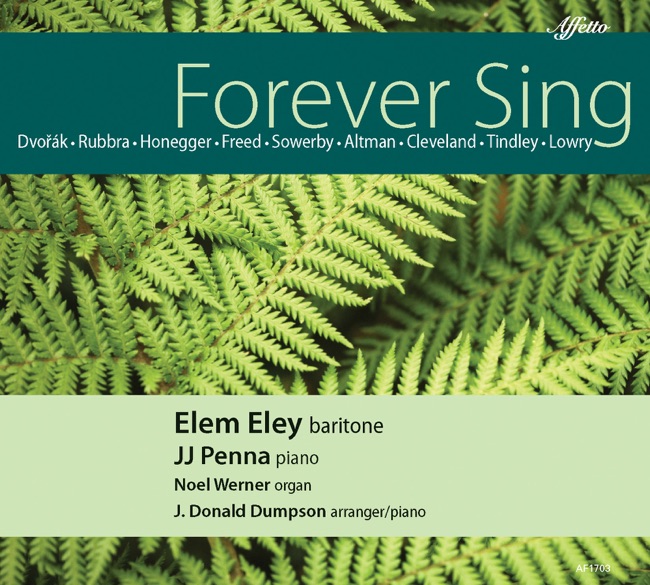 May 5, 2017
 -
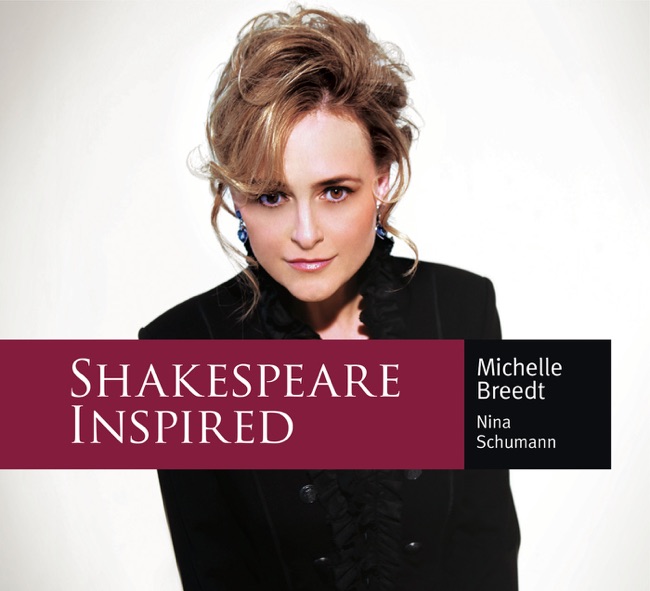 May 23, 2011
 -
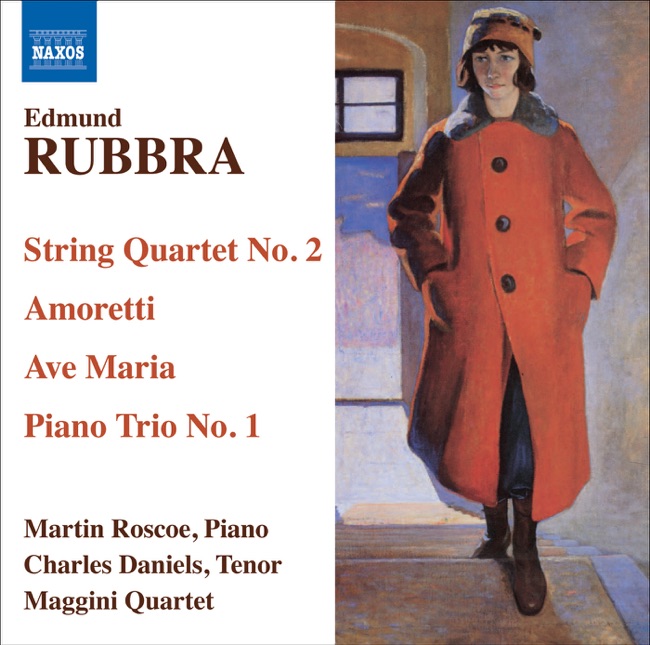
Symphony
-
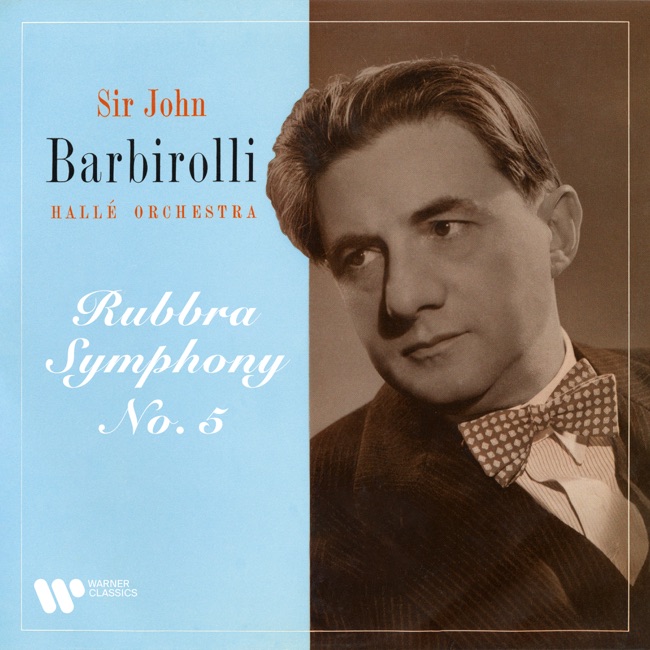 March 26, 2021
 -
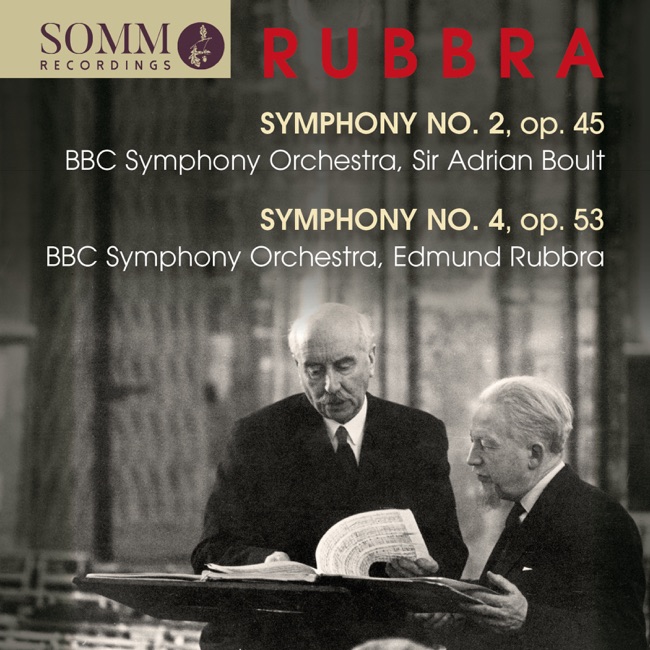 February 16, 2018
 -
 July 18, 2007
 -
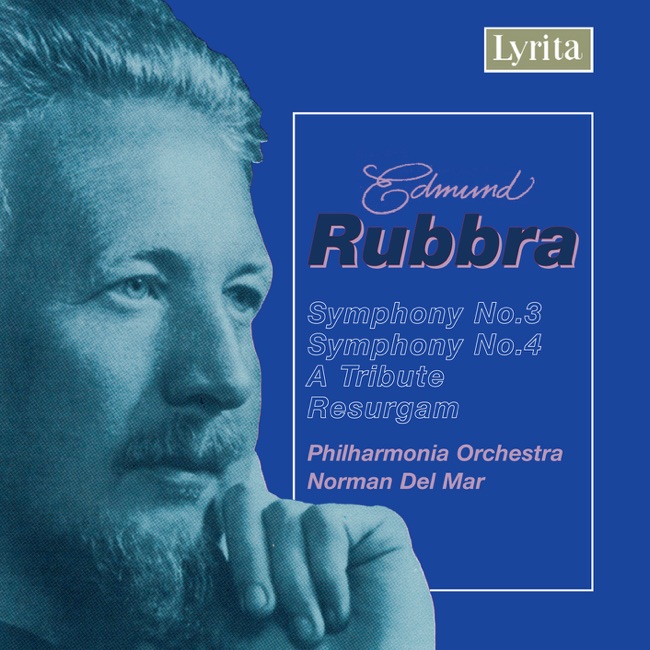 November 14, 2006
 -
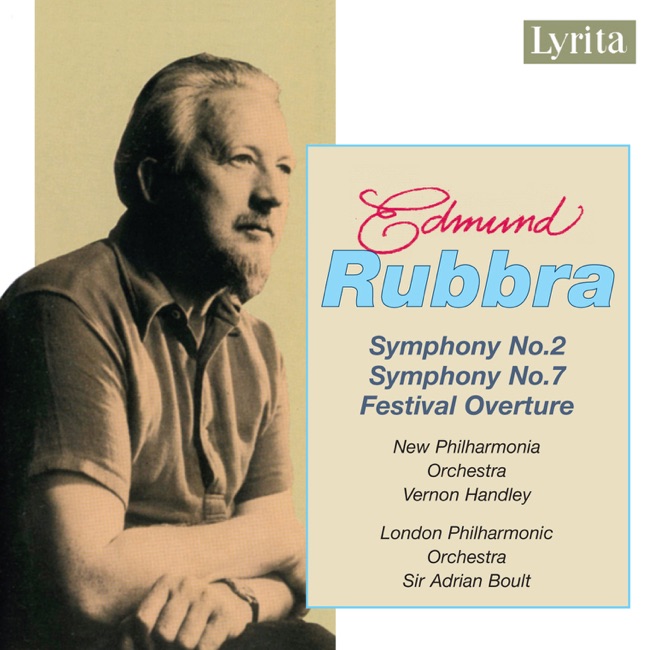 October 10, 2006
 -
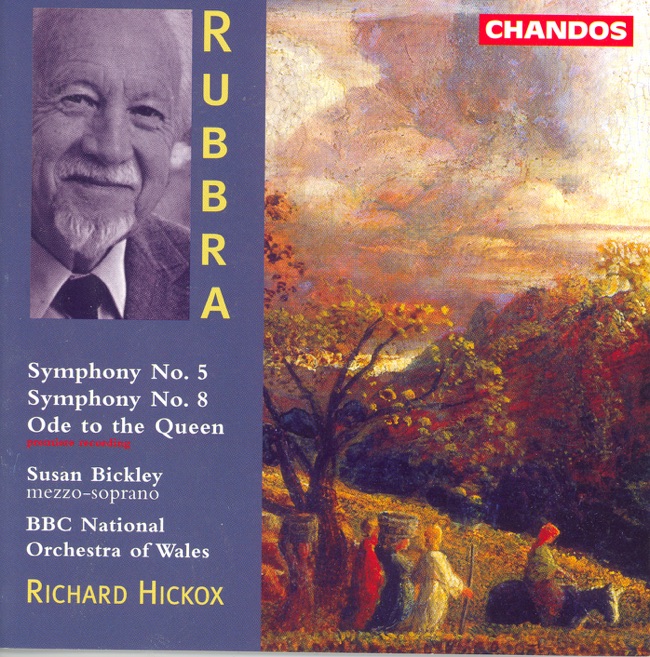 April 13, 1999
Artist Info
Role:Composer Conductor PerformerCountry: United KingdomBirth:May 23, 1901 in Northampton, EnglandDeath:February 13, 1986 in Gerard's Cross, EnglandPeriod:ContemporaryModernGenre:ChamberChoralSymphonyVocalEdmund Rubbra was a British composer who lived from 1901 to 1986. He was born in Northampton, England, and showed an early interest in music. His parents were both amateur musicians, and Rubbra began playing the piano at a young age. He also sang in the choir at his local church, which helped to develop his love of choral music. Rubbra attended the Royal College of Music in London, where he studied composition with Ralph Vaughan Williams and others. He was a talented student, and his early works showed promise. However, he struggled to find his own voice as a composer, and it was not until he was in his thirties that he began to develop a distinctive style. Rubbra's music is often described as being "spiritual" or "mystical." He was deeply influenced by his Catholic faith, and many of his works have religious themes. He was also interested in the music of the Renaissance and Baroque periods, and his compositions often incorporate elements of these styles. Rubbra's early works include a number of chamber pieces, such as his String Quartet No. 1 and his Sonata for Viola and Piano. These works show the influence of Vaughan Williams and other British composers of the time, but also hint at Rubbra's own developing style. In the 1930s, Rubbra began to gain recognition as a composer. His Symphony No. 1, which was premiered in 1937, was well-received and helped to establish his reputation. This work, like many of Rubbra's compositions, is characterized by its use of counterpoint and its complex harmonies. During World War II, Rubbra served in the British Army and was stationed in India. While there, he wrote a number of works, including his Symphony No. 3, which is sometimes called his "Sinfonia Sacra." This work is based on the Catholic Mass, and includes a setting of the "Agnus Dei" text. It is one of Rubbra's most popular works, and is often performed by choirs and orchestras around the world. After the war, Rubbra continued to compose prolifically. He wrote a number of works for choir, including his Mass in Honor of St. Teresa of Avila and his Hymn to the Virgin. He also wrote several more symphonies, including his Symphony No. 6, which is sometimes called his "Symphony of Solitude." This work is characterized by its introspective mood and its use of solo instruments, such as the oboe and the violin. Rubbra's later works include a number of pieces for solo piano, such as his Prelude and Fugue on a Theme of Cyril Scott and his Sonata in B-flat minor. He also wrote several works for string orchestra, including his Concerto for String Orchestra and his Meditations on a Byzantine Hymn. Throughout his career, Rubbra was known for his meticulous attention to detail and his deep spirituality. He was a devout Catholic, and his faith was an important part of his life and his music. He was also deeply interested in literature and philosophy, and his compositions often reflect these interests. Rubbra's music has been performed and recorded by many of the world's leading orchestras and choirs. His works continue to be admired for their beauty, complexity, and spiritual depth. Although he is not as well-known as some of his contemporaries, such as Benjamin Britten and Michael Tippett, Rubbra's music remains an important part of the British classical music tradition.More....
Recent Artist Music
1
2:7
2
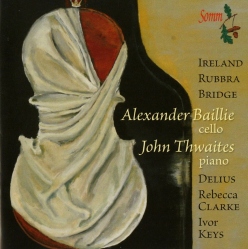
Sonata for cello & piano in G minor Op. 60
3. Theme & Variations: Adagio - Allegro con moto - Molto sostenuto. Fugue: Adagio e molto sereno
11:51
3
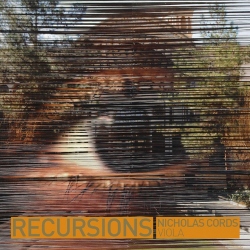
Meditations on a Byzantine Hymn "O Quando in Cruce" for solo viola, Op. 117
Meditations on a Byzantine Hymn 'O Quando E Cruce', Op. 117
10:20
4
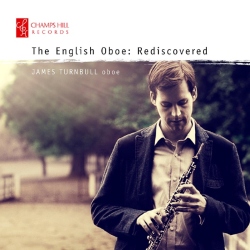
5:49
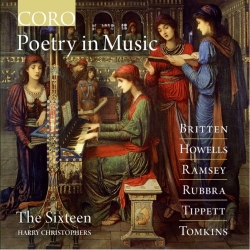
11

Meditations on a Byzantine Hymn "O Quando in Cruce" for 2 violas, Op. 117a
Meditations on a Byzantine Hymn "O Quando in Cruce", Op .117a
9:41
13
Meditations on a Byzantine Hymn "O Quando in Cruce" for solo viola, Op. 117
Meditations on a Byzantine Hymn for solo viola, Op.117
11:54
14
5:13

Related Artists
Copyright Ⓒ 2013 Davinci Finger. All rights reseved
Service Terms & Policy