


Edmund Rubbra
Missa in Honorem Sancti Dominici for chorus a cappella, Op. 66
Released Album
Recent Album
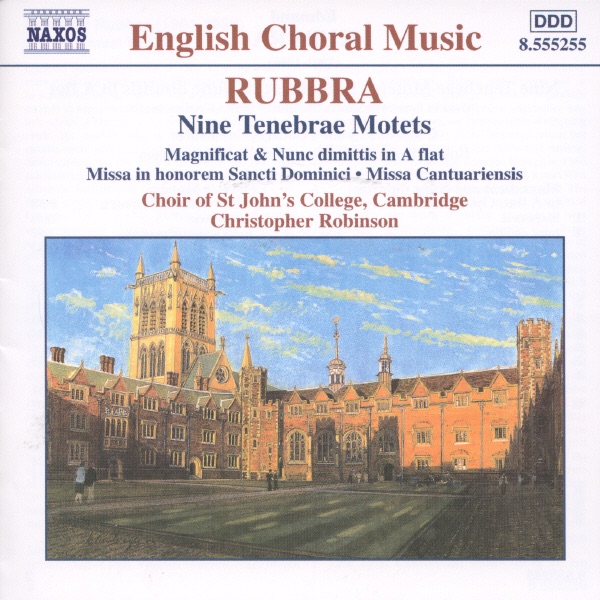
Featured Album
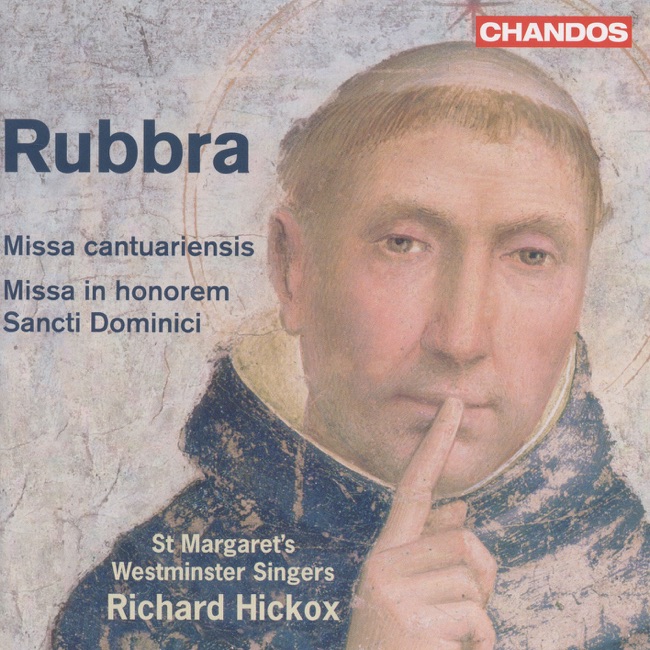
Works Info
Composer:Edmund RubbraGenre:ChoralStyle:MassCompose Date:1948Average_duration:17:08Movement_count:6Movement ....Edmund Rubbra's 'Missa in Honorem Sancti Dominici for chorus a cappella, Op. 66' was composed in 1952 and premiered on 7th December of the same year at the Church of St. Dominic in London. The work is divided into six movements, each of which is based on a section of the Ordinary of the Mass. The first movement, Kyrie, is characterized by its gentle and flowing melody, which is sung by the sopranos and altos. The tenors and basses provide a rich harmonic foundation, which supports the melody and gives the movement a sense of depth and complexity. The second movement, Gloria, is more lively and energetic than the Kyrie. The choir sings in a homophonic style, with all voices singing the same melody at the same time. The movement is characterized by its use of syncopation and rhythmic complexity, which give it a sense of urgency and excitement. The third movement, Credo, is the longest and most complex of the six movements. It is characterized by its use of polyphony, with different voices singing different melodies at the same time. The movement is also notable for its use of dissonance, which creates a sense of tension and conflict. The fourth movement, Sanctus, is characterized by its use of repetition and variation. The choir sings a simple melody, which is repeated and varied throughout the movement. The movement is also notable for its use of dynamics, with the choir alternating between loud and soft passages. The fifth movement, Agnus Dei, is the most introspective and contemplative of the six movements. The choir sings in a gentle and subdued manner, with the melody shifting between different voices. The movement is characterized by its use of silence and pauses, which create a sense of stillness and reflection. The final movement, Ite, Missa Est, is a brief and joyful conclusion to the Mass. The choir sings in a homophonic style, with all voices singing the same melody at the same time. The movement is characterized by its use of repetition and variation, which give it a sense of unity and completeness. Overall, Rubbra's 'Missa in Honorem Sancti Dominici' is a complex and challenging work, which showcases the composer's mastery of choral composition. The work is characterized by its use of polyphony, dissonance, and rhythmic complexity, which give it a sense of depth and complexity. At the same time, the work is also characterized by its moments of simplicity and introspection, which create a sense of stillness and reflection.More....
Works Music
Released Music

Featured Music
1
2:38
2
3:55
3
7:10
4
2:1
5
1:54
6
2:31
7
2:7
8
3:40
9
6:21
10
1:14
11
1:33
12
2:11